Latest editorial
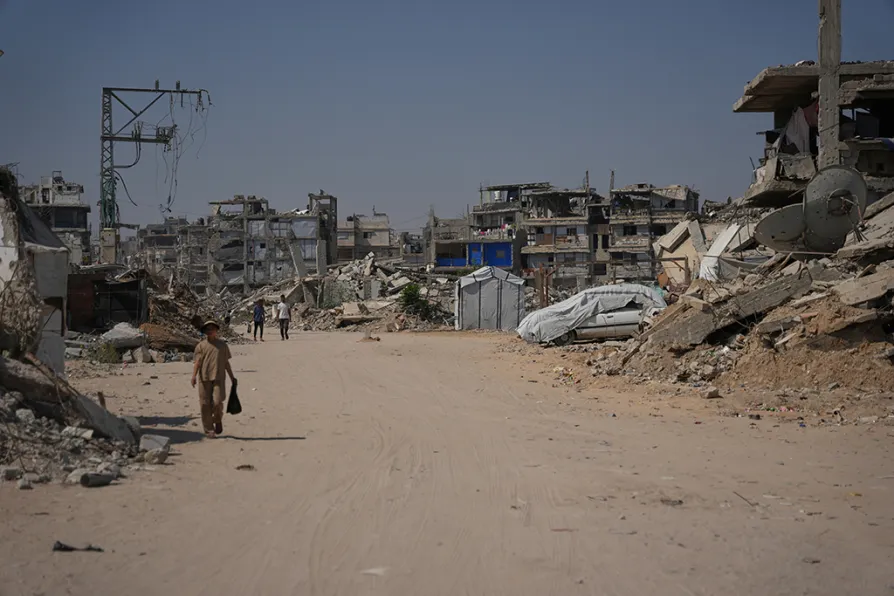 A Palestinian walks through the devastation of Gaza






HAMAS said yesterday that it reached an agreement with United States President Donald Trump’s Board of Peace to disarm.
The Palestinian resistance group agreed to a road map but only as long as Israel ends hostilities and withdraws its troops from the Palestinian territory, according to senior Hamas official Bassem Naim and a regional source.
Israel has not commented on the deal.
This comes nine months after the signing of a US-brokered ceasefire to end the fighting between Israel and the group.
That 20-point ceasefire plan calls on the resistance group to surrender its weapons and destroy its vast network of tunnels.
It also envisions Israeli forces withdrawing from Gaza, the arrival of a new technocratic Palestinian government, the deployment of a security force known as the International Stabilisation Force and the rebuilding of the decimated Palestinian enclave.
But negotiations between Israel and Hamas over the implementation of the next phase of the ceasefire deal had reached deadlock, with disarmament a major sticking point.
“The agreement will be carried out in carefully structured phases,” Mr Trump said on social media.
“As disarmament is completed, Israeli forces will withdraw, and the International Stabilisation Force will work with a new Palestinian police force to take responsibility for Gaza being safe for its residents and its neighbours,” he said.
The agreement said that all police weapons will be transferred to the US-backed Palestinian technocratic committee, known as the National Committee for the Administration of Gaza, upon its arrival in the enclave.
The process will be linked to an Israeli withdrawal, in phases, from the areas under its control in Gaza.
In a statement Thursday, an Israeli source said Israel would not withdraw from the areas it holds in Gaza, which account for about 60 per cent of the territory, before Hamas is disarmed and the strip demilitarised.
Another source said that Israel is fully involved, but it’s not a signatory to the deal.
The Hamas official and the regional official involved in the process said that Hamas and other groups agreed to “collect and store” arms inside Gaza under the supervision of the Palestinian technocratic committee and that weapons won’t be handed to Israel or non-Palestinian parties.
The war in Gaza began after Hamas led an attack on southern Israel on October 7 2023 during which around 1,200 people were killed and 251 taken hostage.
Israel’s brutal retaliation in Gaza has killed more than 73,000 Palestinians, mostly women and children, including those killed since the ceasefire.

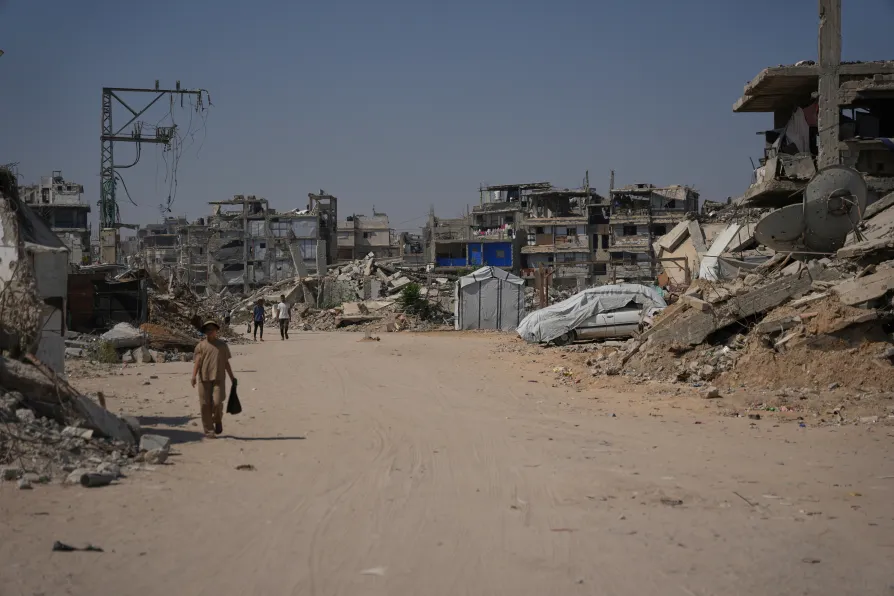
While international actors discuss governance and reconstruction, Netanyahu has made it clear that Israel has no intention of ending its military occupation, says RAMZY BAROUD
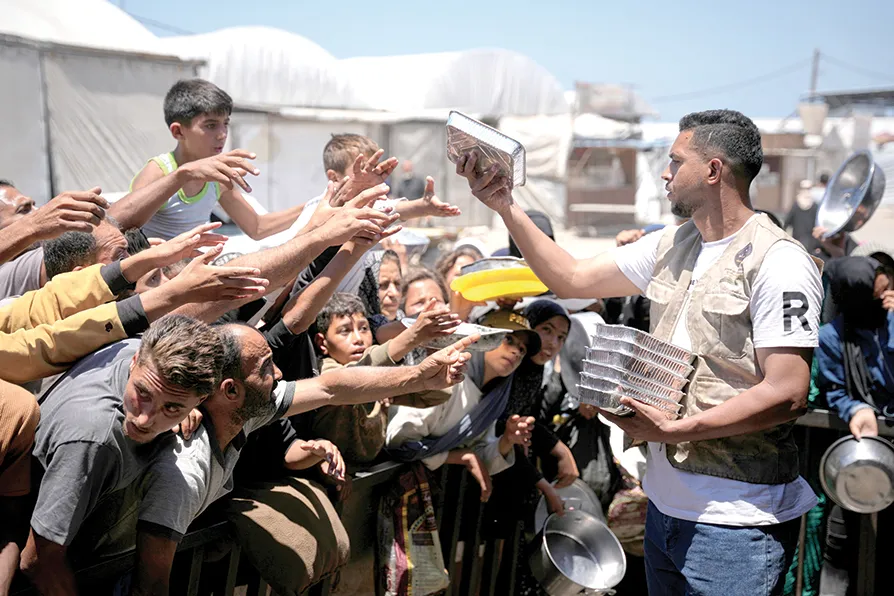
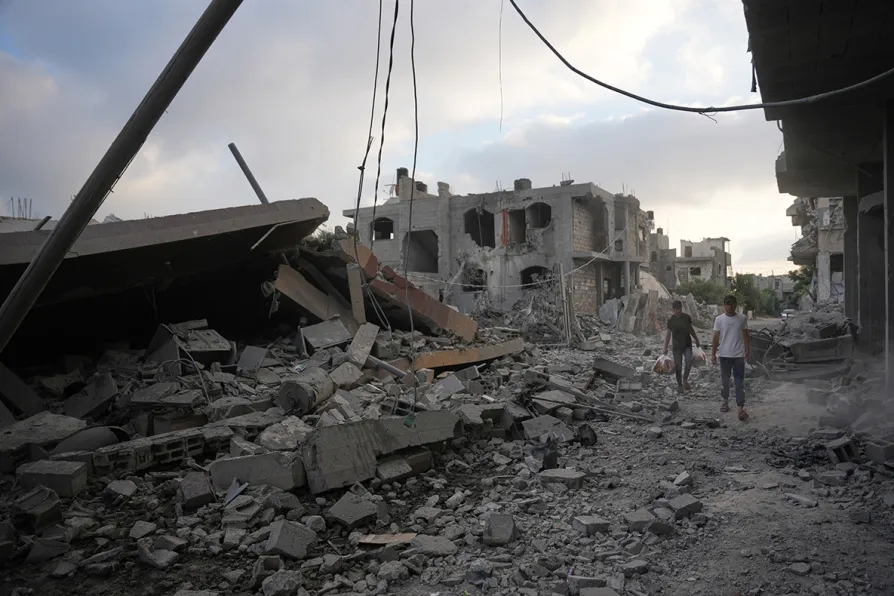
While international attention focuses on ceasefire frameworks, Israel is openly advancing plans for a permanent expansion of its control over Gaza, writes RAMZY BAROUD