Latest editorial
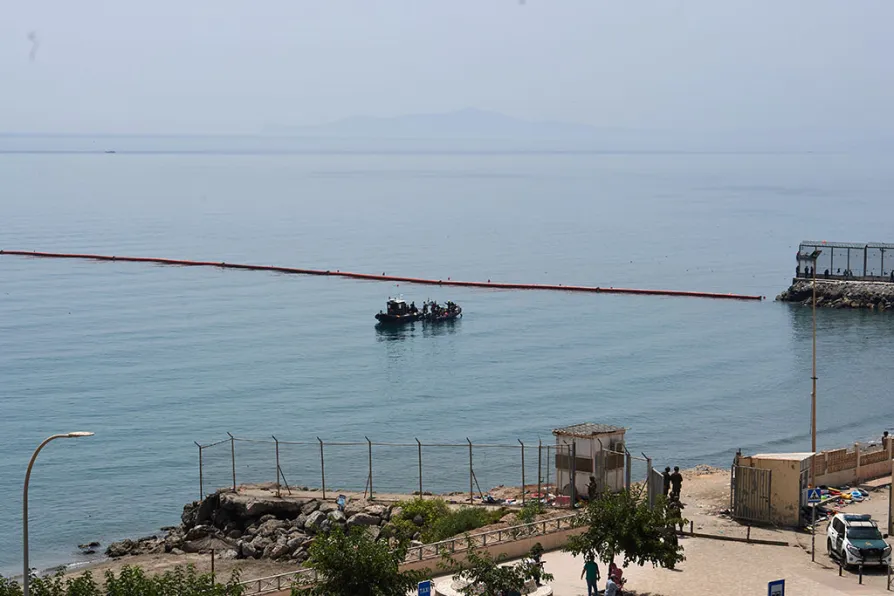 Civil Guard boats patrol alongside floating barriers off the coast of the Spanish enclave of Ceuta






SPANISH authorities have installed a massive barrier on the sea border between Ceuta and Morocco.
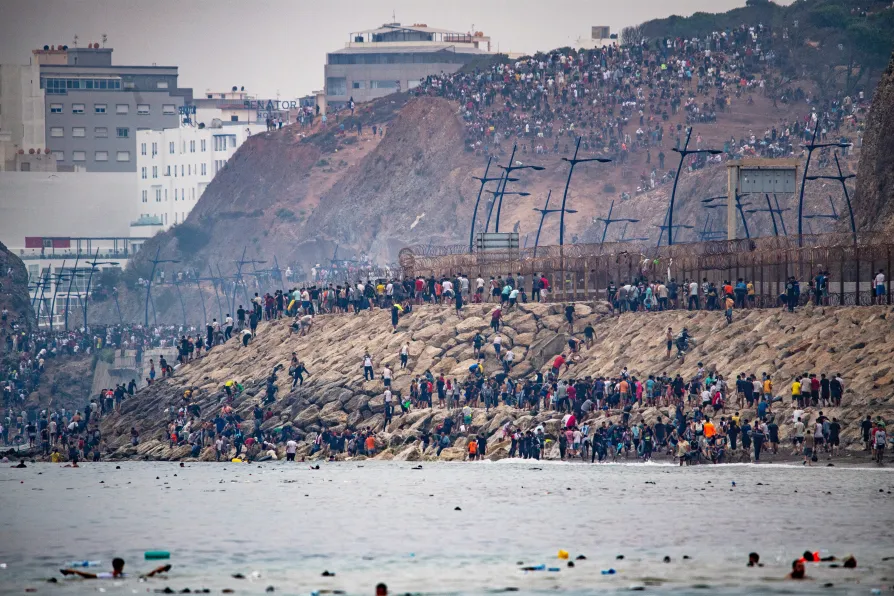
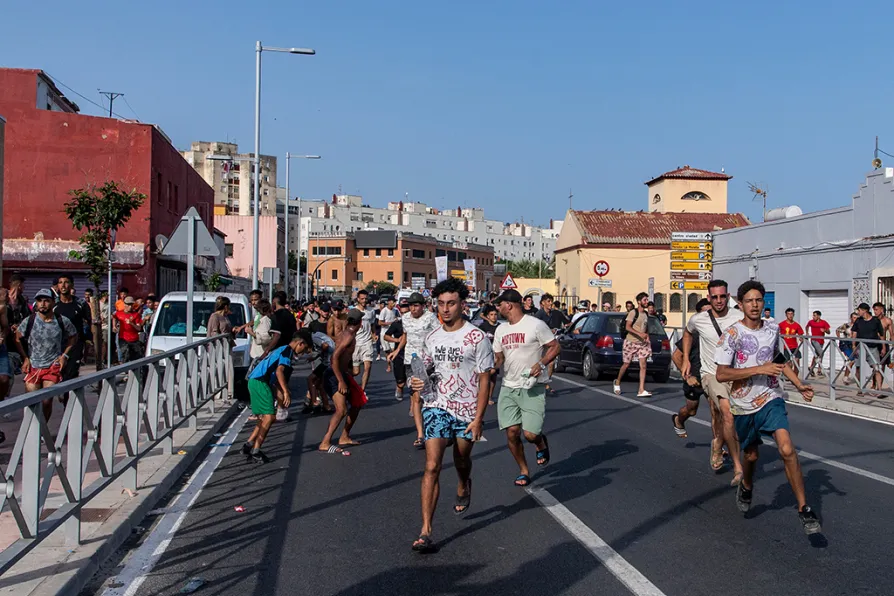
The erection of the 1,600-foot barrier follows the breaching of the frontier by tens of thousands of Moroccans last week.
At least 67 Moroccans died, including some who drowned and others who were killed in a stampede to cross a breakwater barrier, the Spanish government said on Saturday.
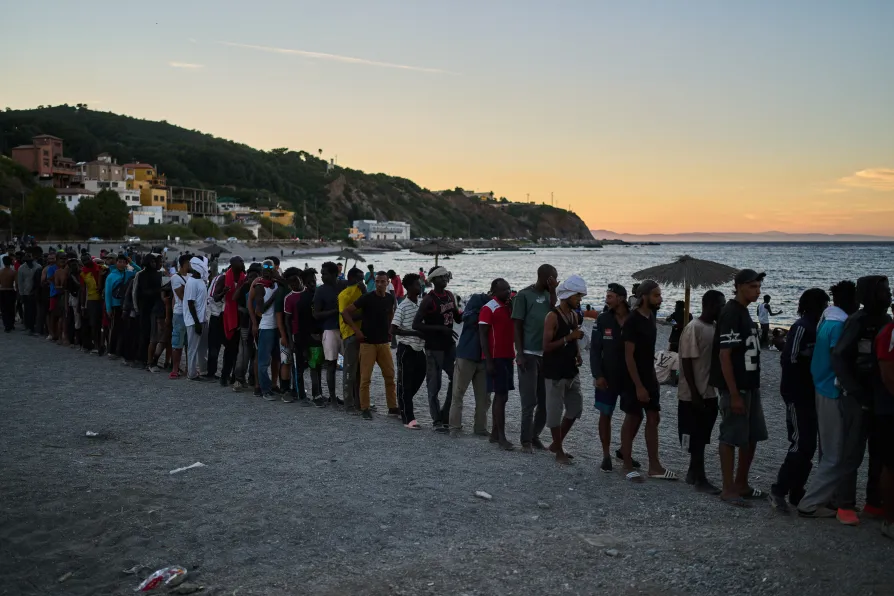
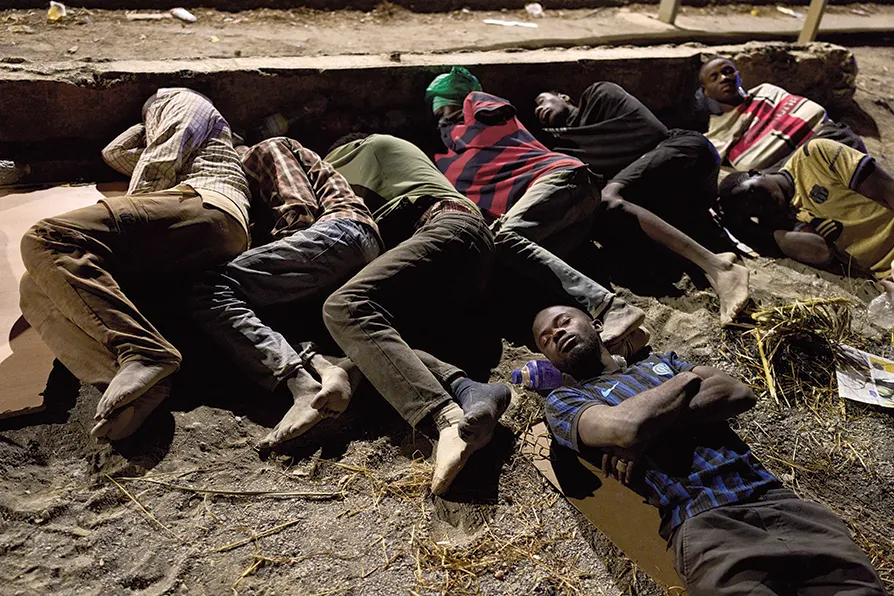
The sudden arrival of 50-60,000 men and women in the territory on Thursday and Friday sparked a humanitarian crisis.
Critics of Spain’s socialist government, notably right and far-right politicians, seized upon the dramatic images of crowds storming into Ceuta, which sits on the Strait of Gibraltar at the entrance to the Mediterranean Sea and has been a Spanish possession since 1580. Internationally, far-right agitators sought to use it to fuel fears of irregular immigration.
Spain’s migration policy has focused on granting legal status to workers lacking authorisation who entered the country before 2026 to boost its economy, in contrast with the anti-migration and pro-deportation policies promoted across much of the EU and in the United States.
Spanish Prime Minister Pedro Sanchez slammed the reaction of some EU leaders to the events in Ceuta, saying calls for Spain to be suspended from the EU’s borderless Schengen zone were “driven by prejudice, fake news, ignorance, or political interest.”
Despite the Ceuta crisis, Spain in recent years has had fewer illegal migrants cross into the country than Mediterranean neighbours Italy and Greece.
“We are relentless against those who break the law,” Spanish Interior Minister Fernando Grande-Marlaska told journalists.
Asked how the breach could have happened given the heavy security on both sides of the border and whether Morocco posed a threat to Ceuta, Mr Marlaska defended the government in Rabat.
“The events require an evaluation by Spain and Morocco,” he said. But co-operation with its neighbours had allowed Spain “to revert the situation in 24 hours.”
“Morocco is not a threat to Ceuta, or to the rest of Spain. It is a reliable partner,” Mr Marlaska said.
Other European Union countries called for urgent talks and a co-ordinated response to the situation in Ceuta.
Leaders of Italy, Denmark, Austria, Belgium, Bulgaria, Cyprus, Croatia, the Czech Republic, Estonia, Finland, Germany, Greece, Hungary, Latvia, Lithuania, Malta, the Netherlands, Poland, Romania, Slovenia, Slovakia and Sweden have all signed a letter asking the EU’s current Irish presidency to convene a videoconference of interior ministers.

CARLOS MARTINEZ shows how EU, Israel and US shenanigans were used in an attempt to destabilise Spain’s mildly socialist government