Internationalism is deeply embedded in socialist theory and practice. Examination illuminates its complexity asserts the Marx Memorial Library and Workers’ School


 Latest editorial

Burning issues
A new study has found that forests destroyed by wildfires emit carbon long after the flames die, with implications for post-fire management, write NATASCHA KLJUN and JULIA KELLY
 ONLY THE BEGINNING: Forest fire at Umatilla National Forest, Pacific Northwest Region in 2021
[Brendan O'Reilly/CC]
ONLY THE BEGINNING: Forest fire at Umatilla National Forest, Pacific Northwest Region in 2021
[Brendan O'Reilly/CC]

The new TUC Cymru general secretary speaks to Morning Star Wales reporter David Nicholson about her trade union background and ambitions for the movement
The Claudia Sheinbaum government is no pushover and is holding firm despite US abuses of the relationship, says DAVID RABY
As we approach the grim anniversaries of Hiroshima and Nagasaki, SIMON BARROW sounds the alarm over the dangerous and murderous direction our government is heading
The new PM may offer more of the same, but early signs on his housing policies look promising, says GLYNN ROBBINS
CLAUDIA WEBBE argues that Burnham’s U-turn on tackling greedy landlords has let the country down





EVEN in Earth’s high northern-latitude forest, climate change is predicted to make wildfires more frequent and severe.
Earth’s far north hosts the boreal forest, a vast green belt that stretches from North America to Siberia. The boreal forest is one of the world’s largest CO₂ sinks. Over the past few thousand years it has removed around one trillion tonnes of carbon from the air, storing it in the trees and soil. Because of the large amount of carbon stored in the boreal forest, fires here can release much more CO₂ into the air than forest fires elsewhere, amplifying climate change.

Similar stories
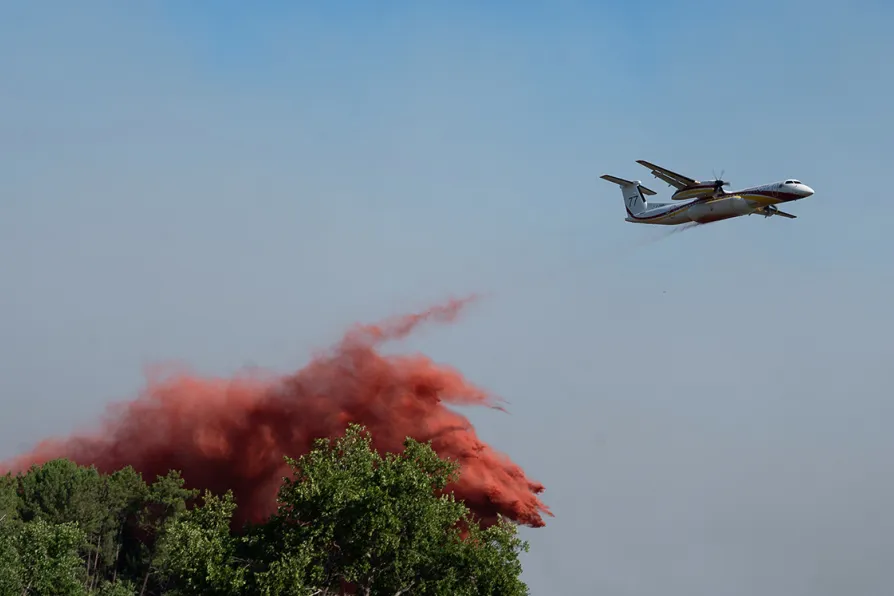
Emergency phone alerts could help Britain respond to rising wildfire risk, but Australia’s experience suggests they work best as part of a broader strategy, write ELLIOT CONVERY-FISHER and KATE PARKINS
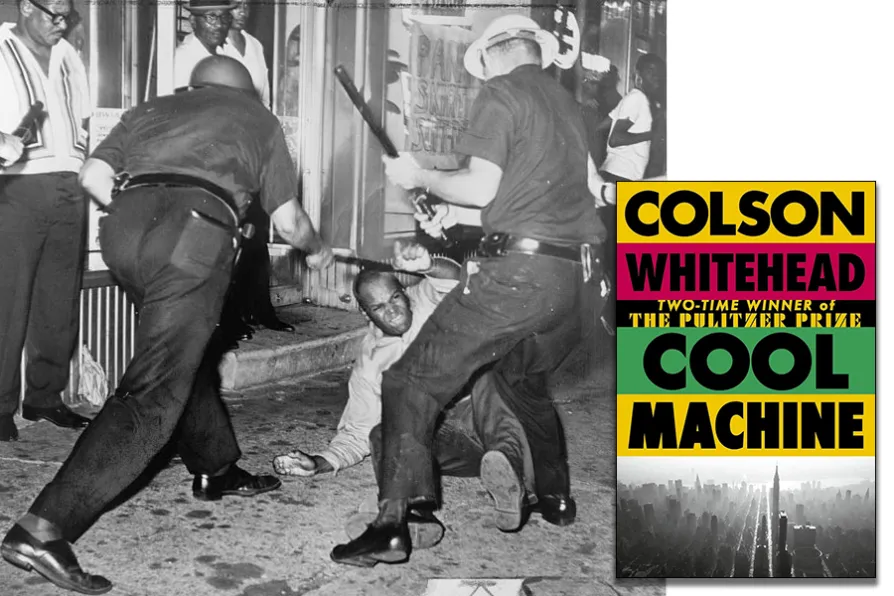
DOUGLAS FIELD relishes the hard-boiled language, satire and humour of the third and last of the Harlem trilogy

Reaching co-operation is supposed to be the beginning, not the end, of global climate governance, argues LISA VANHALA