Internationalism is deeply embedded in socialist theory and practice. Examination illuminates its complexity asserts the Marx Memorial Library and Workers’ School


 Latest editorial

Clear Corbyn trips up the three ‘centrists’
The neoliberal deal is no longer the only one on the table of British politics, writes John Ellison

The new TUC Cymru general secretary speaks to Morning Star Wales reporter David Nicholson about her trade union background and ambitions for the movement
The Claudia Sheinbaum government is no pushover and is holding firm despite US abuses of the relationship, says DAVID RABY
As we approach the grim anniversaries of Hiroshima and Nagasaki, SIMON BARROW sounds the alarm over the dangerous and murderous direction our government is heading
The new PM may offer more of the same, but early signs on his housing policies look promising, says GLYNN ROBBINS
CLAUDIA WEBBE argues that Burnham’s U-turn on tackling greedy landlords has let the country down





JUNE 15 was a defining moment in the history of our movement. It was the day that the shortlist of applicants for the post of Labour’s next leader was settled.
Four candidates, having received 35 or more parliamentary nominations necessary to join that list, were in the race. One of them was Islington North’s socialist MP Jeremy Corbyn, a veteran backbencher, “an old white guy.” Reportedly his clinching nominations were received with minutes to go before the midday deadline. If that is so, the phrase “A week is a long time in politics” can now start with “15 minutes” instead.
The other three aspirants, Andy Burnham, Yvette Cooper and Liz Kendall, are all shadow ministers, and the first two were ministers under Gordon Brown’s government before the 2010 general election thrust Labour out of power. Burnham led the field with almost 70 nominations, Cooper was a strong second with almost 60 and Liz Kendall had 41, five more than Corbyn’s 36. Corbyn had scraped on to the ballot with one vote to spare, and, among national newspapers, only the Morning Star, on June 15, was confident of his prospects before the ballot closed. The real contest would now begin.

Similar stories
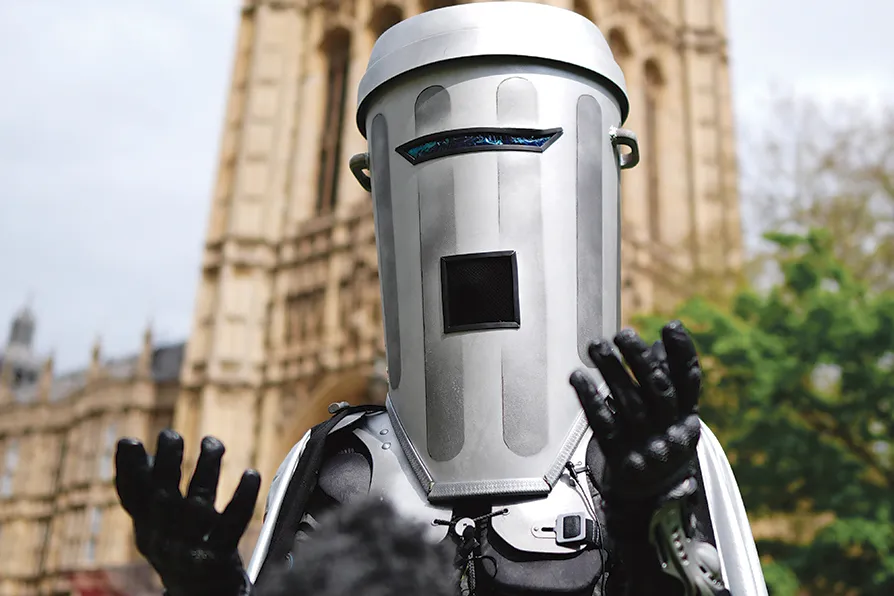
CHARLEY ALLAN reports from Clacton on Farage’s fears his by-election stunt has backfired
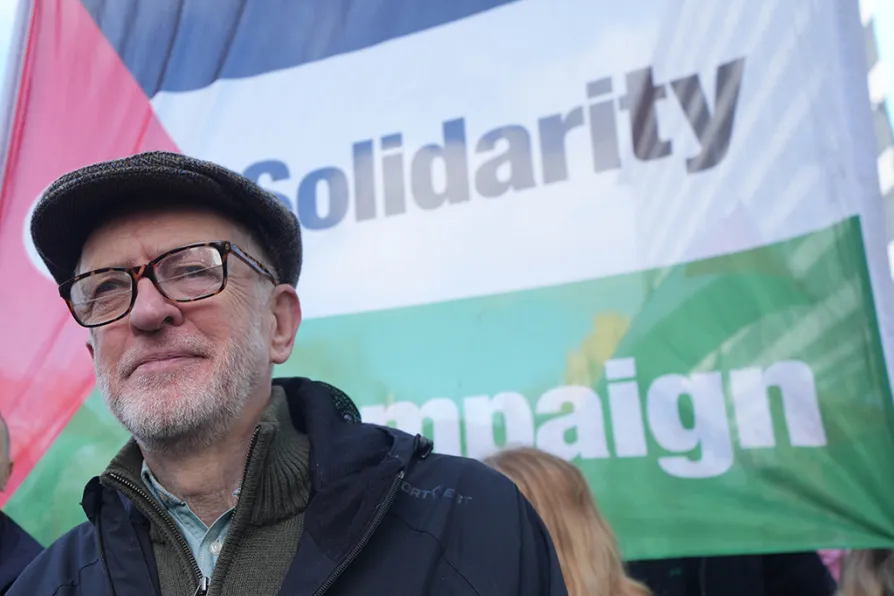
In a wide-ranging interview, JEREMY CORBYN talks to Ben Chacko about the difficulties the new Prime Minister faces and why he sees no future in Labour
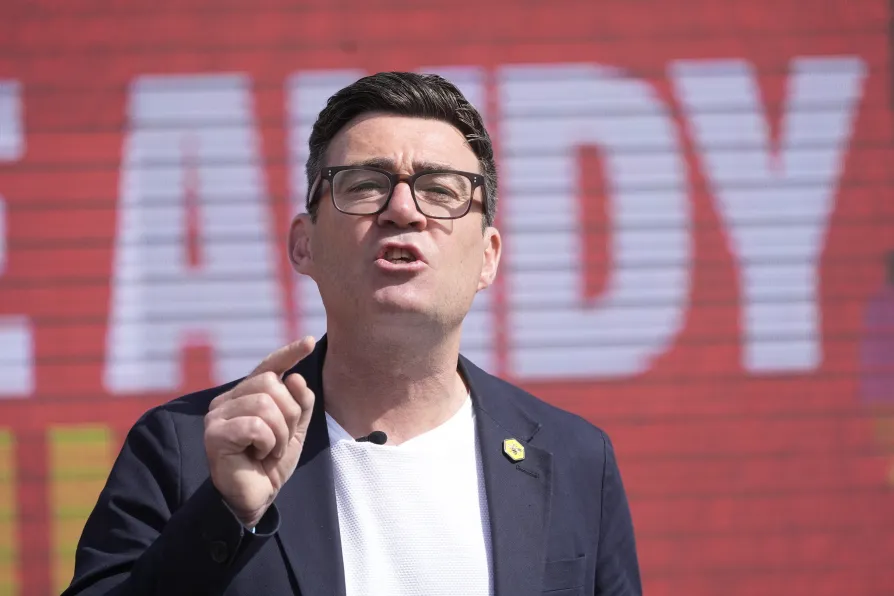
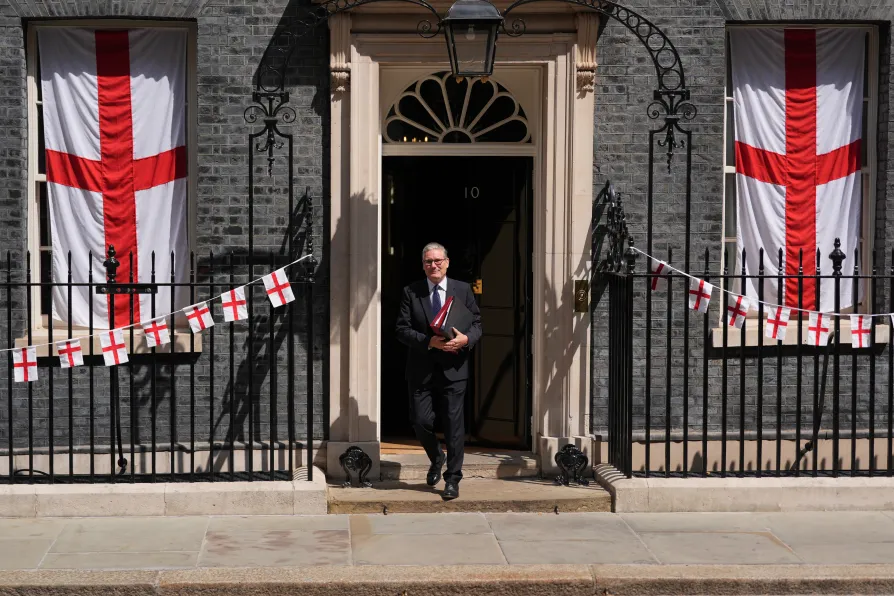
Meanwhile, incoming PM Andy Burnham dithers over who should be his Chancellor