EWAN CAMERON picks out two fascinating music shows, fusing the Korean, and the Celtic, with the modern


 Latest editorial

Good old-fashioned filth
GORDON PARSONS recommends an ideal introduction to the writer who was first to give the English a literary language
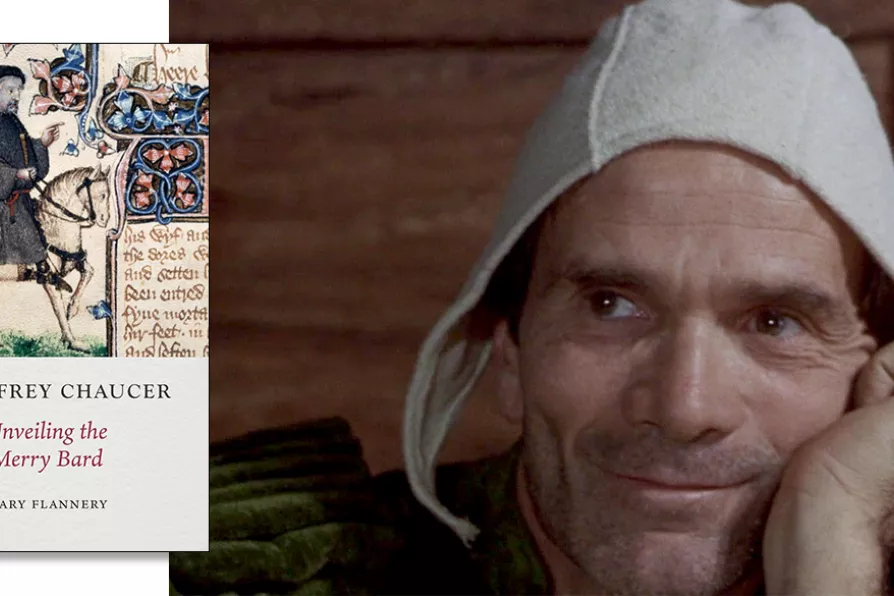 Pier Paolo Pasolini as Chaucer in his film of The Canterbury Tales
[IMBd]
Pier Paolo Pasolini as Chaucer in his film of The Canterbury Tales
[IMBd]
BENJAMIN POTHIER suggests that Palaeolithic cave paintings in Spain point to the ceremonial use of hallucinogenic flora
The bard confirms that the right has a humour bypass, and replays the English Revolution on period instruments
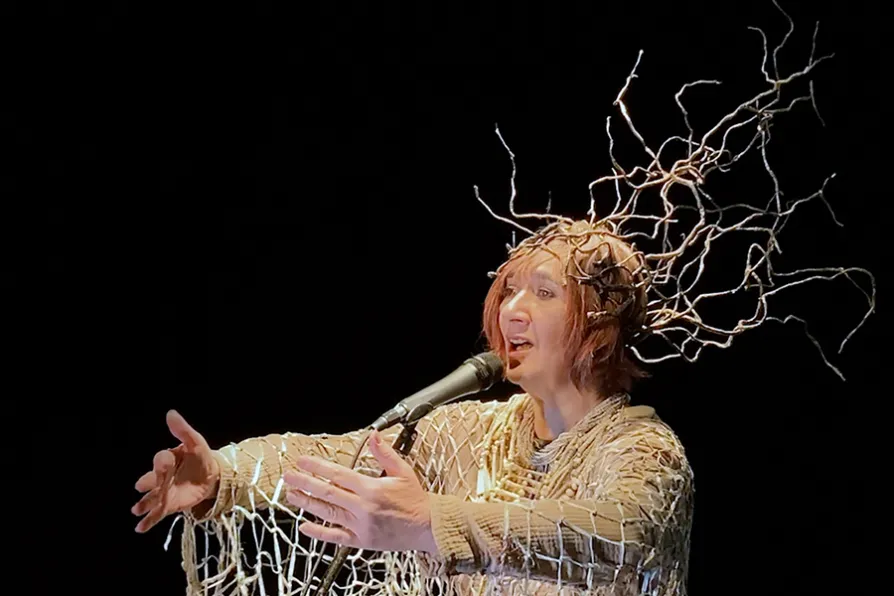
MARIA DUARTE and ANDY HEDGECOCK review Sunny Dancer, Tony, Songs of Forgotten Trees, and The End of Oak Street
JOHN GREEN relishes a powerful and moving drama that explores the lived realities of west London’s Punjabi community
MARTIN HALL welcomes a plea for greater compassion between believer and non-believer via the framework of philosophical enquiry





Geoffrey Chaucer: Unveiling the Merry Bard
Mary Flannery, Reaktion Books, £16.99
GIVEN that even with the enormous modern research into Shakespeare’s life there is still a paucity of detailed knowledge, Mary Flannery is courageous in taking on a biography of the other icon of English literature, Geoffrey Chaucer, of whose personal life even less is known.
She does have the advantage, however, that medieval records provide revealing evidence of the latter whose active public life as civil servant, diplomat and MP was spent on the fringes of administrative and political power during the tumultuous later years of the 14th century.
When she comes to what kind of man Chaucer was, her descriptions are necessarily very largely based on suppositions. Her account is prefaced regularly with phrases such as ”it is unclear,” “it may have been,” and “it seems problematic.” Even a description of the construction of a new Custom House including a latrine which, it is “conjectured” Chaucer, customs comptroller (sic) for the Port of London, may have used.

Similar stories
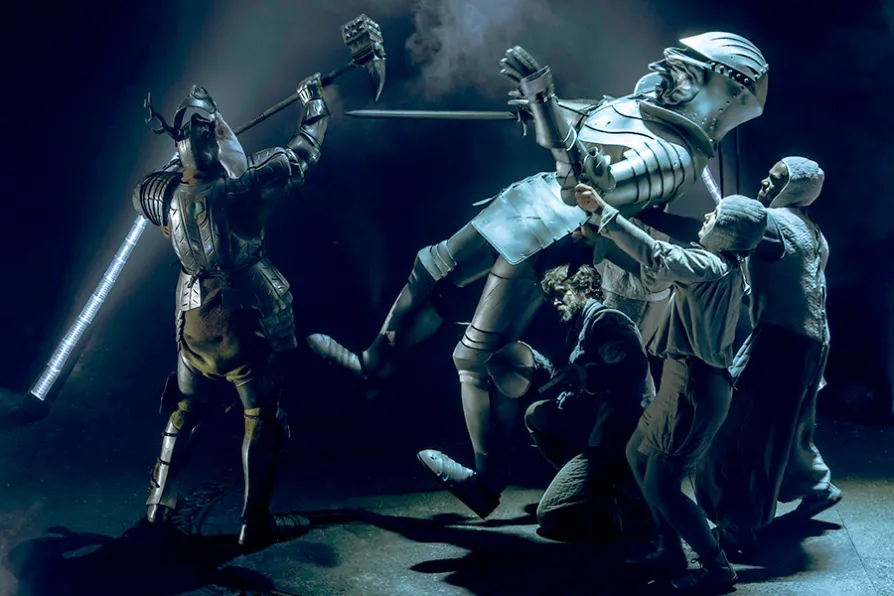
Family issues and dragon-fuelled history amount to a vacuous spectacle that ill-fits the theatre, muses SIMON PARSONS

FIONA O’CONNOR questions the achievement of this year’s Orwell prize winner for political fiction
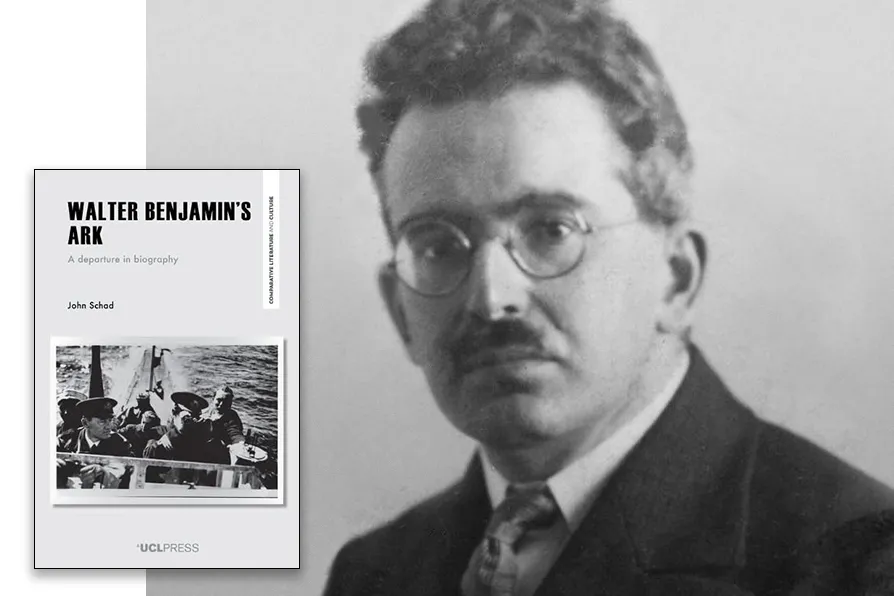
GORDON PARSONS is intrigued by a biography of the Marxist intellectual and author, made from the point of view of his son
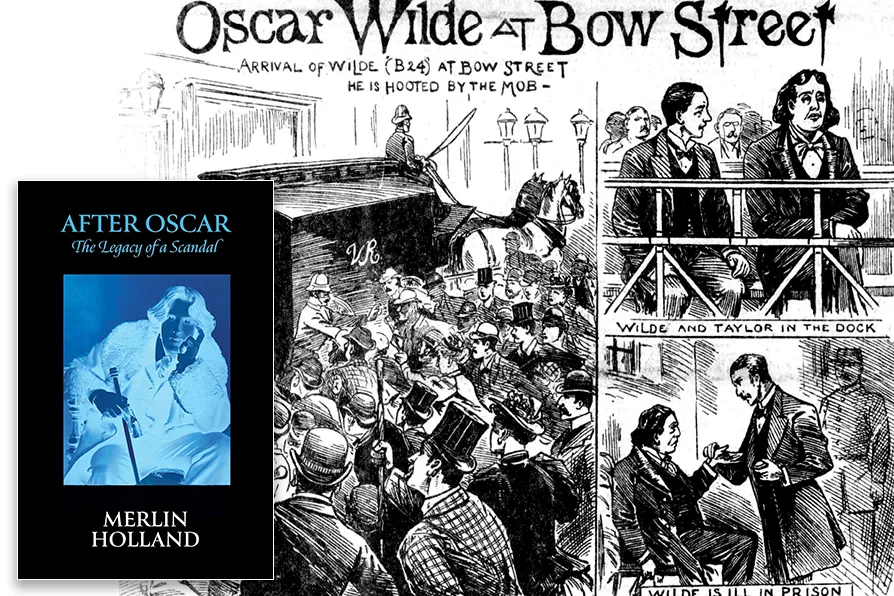
MARJORIE MAYO welcomes an account of family life after Oscar Wilde, a cathartic exercise, written by his grandson