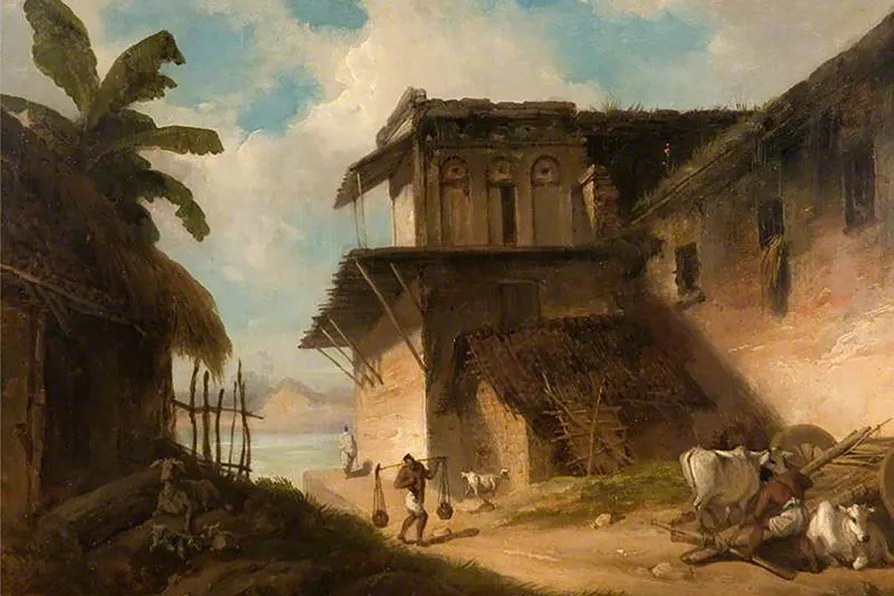
APURBA CHATTERJEE explains how British artists in India used the “picturesque” to reshape colonial landscapes and celebrate imperial power


 Latest editorial

Being gay when it was illegal
MATTHEW HAWKINS welcomes an engaging and nourishing account of the queer subculture that flourished in London between WWII and partial decriminalisation
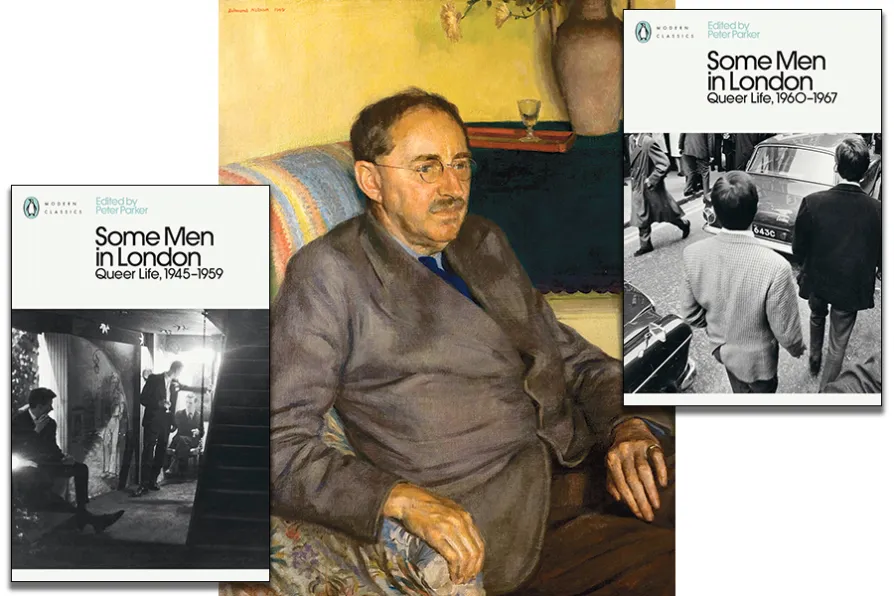 LAUGHTER AMIDST THE PURDAH: Portrait of E M Forster by Roger Fry, 1911 [Pic: Public Domain]
PAUL DONOVAN welcomes a revival of Reginald Rose’s classic play that reminds us of the fundamental need for trials with juries
SIMON PARSONS applauds an exceptional performance of Wesker’s little-known play, by the same actor for whom it was written 45 years ago
ANDY HEDGECOCK and MARIA DUARTE review Late Fame, The Death of Robin Hood, Leviticus, and Gail Daughtry and the Celebrity Sex Pass
ANGUS REID recommends a uniquely accomplished documentary collage that contemplates our relation to the natural world
GORDON PARSONS enjoys Kant’s ‘mind-boggling’ theory of human reality: that we create the reality we experience





Some Men In London: Queer Life, 1945-1959
Peter Parker, Penguin, £14.99
Some Men In London: Queer Life, 1960-1967
Peter Parker, Penguin, £14.99
“The trouble with being a homosexual in the late twentieth century is the amount of disco music one has to listen to,” purred Quentin Crisp, indicating his immunity to life’s presumed compensations. New generations face different challenges. We are currently up to our eyes in compendious queer print. Is nostalgic self-reflection all a body now needs?
Some Men in London’s first volume spans the period between the end of World War II and the compilation of the Wolfenden report. Its sequel covers the era between the report’s compilation and its implementation. In case this has been forgotten, male on male sex anywhere in the UK could get a fellow fined or incarcerated, as decreed by an abrupt bit of Victorian legislation that has been lifted relatively recently.
Verbatim selections lit upon by editor Peter Parker delineate how queer male Londoners lived in parallel with a process of democratic political argument in Westminster’s two houses. Thus, we peruse parliamentary formalities and police record. Methodical scientific and anthropological studies are delved. Vernacular stuff pops up. There’s all the lurid editorial and righteous drivel you can shake your stick at. It’s epic. It’s biblical. It’s grim comedy: men eventually decommission a social minefield they themselves had laid.
There is a fascination in the way the Wolfenden report accumulated. Its substance thereafter made a change in the law arguable in a reasonable sense. Some Men in London airs multiple registers of progress and obfuscation. There’s an underlying strain around how the human body becomes externally policed. Ultimately, many are squeamish about fleshly function.
We read of EM Forster’s insights. He thought about how destigmatisation of homosexuality might not occur, should the average Brit be tasked to picture alternative means of bodily fluid exchange every time they scanned their daily rag. He knew the laws that engendered persecution and suffering. He identified a trustworthy law-reform society and gifted them copious chunks of his income. He also called for some laughter amid the purdah of it all.
Bright needles inhabit Parker’s elegant haystack. Once, to galvanise improved reception for legal reform, a pundit proposed the jingle “Homosexuals stay younger longer.” Elsewhere a diarist remarks: “‘X’ has been arrested for importuning: 100 guardsmen have been questioned.”
“Why not? Everyone else has!” was how one commentator responded to a poster for the movie The Sea Shall Not Have Them, starring Michael Redgrave and Dirk Bogarde. A service-using interviewee speaks of how he would attend queer bars and clubs much as he would a museum — to see if the exhibits had been changed.
Police apprehend a Soviet ballet dancer’s masseur who turns up in 1950s London bearing an accurate Moscow-acquired map of queer West End haunts and relevant toilets, the event surely shedding a whole new light on the mission of Burgess, Maclean and the Cambridge Five.
We glean how homosexuality was framed as aberrant, through its association with money changing hands; its connection with violence and suicide; its wrong-headed overlap with handicap and pathology. There’s full immersion in performed misery — exemplified by a key movie called Victim. There’s also champagne and pas de deux at blissful parties. And scandal, tons of it.
It’s notable how the military played a key role in the inference that gay love could never be genuine. Guardsmen supplemented their income by extracting fees for gay sex acts they would routinely pursue but afterward assert were unintentional and no pleasure at all. Flatteringly tailored, their uniform (and the legally sanctioned Establishment it symbolised) vested impunity, somewhat as it would a legitimise a bayonet charge or strategic ambush.
Parker addresses the reader throughout, in short wry paragraphs printed in italics. There’s no index but biographical notes take the form of Parker’s succinct pen-portraits of key protagonists. Significant works of fiction, plays and cinema are laid out. Astonishing declarations of love are aired.
This project is essentially about lively writing and its commitment to print. It is a study of how a wide range of people once exercised themselves in the valuable act of wording their experience. Hence an engaging and nourishing read, even for people who aren’t Londoners.

Similar stories
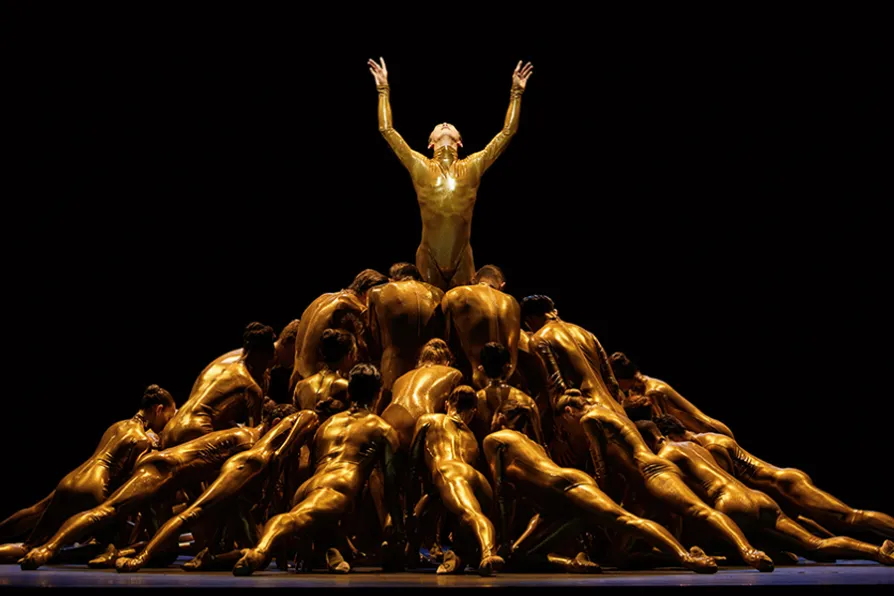
MATTHEW HAWKINS witnesses a contemporary ballet that represents human life as subjected to artificial intelligence
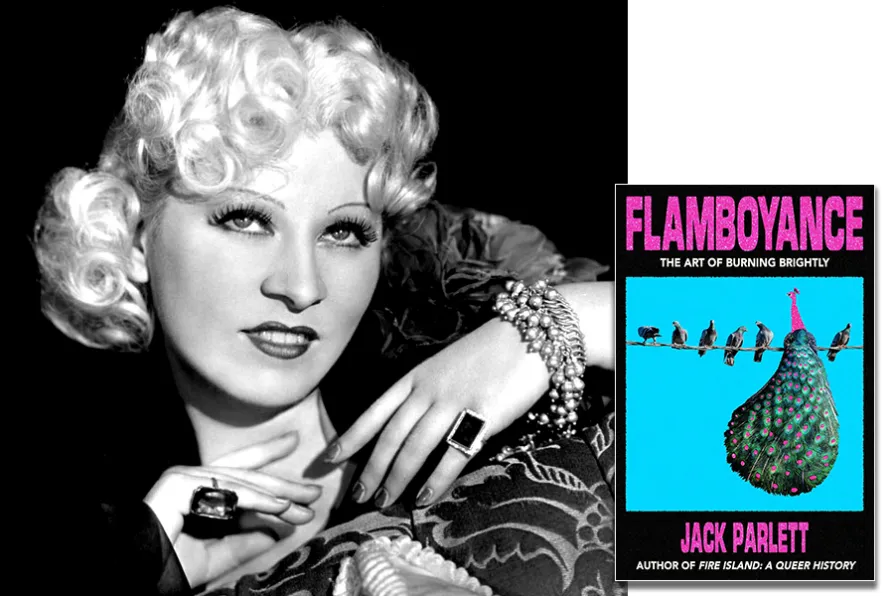
MATTHEW HAWKINS rakes through un-fancy words and flair-free summaries to find who and what might be flamboyant
CAL McBRIDE relishes the lyrical truth of an unstable identity in an over-tidy and conventional social realist treatment

In search of political understanding, MATTHEW HAWKINS welcomes a critique of anti-semitism as codified by the Israeli state