 Latest editorial
ANGUS REID urges us to understand the persecution of Jason Arday from a political and historical perspective, and to see the victim in human terms



Future fiction shaped by present realities
The publication of an insightful academic study of science fiction causes writer KEN MACLEOD to reflect on a genre in continual and radical development

Re-releases of the classics Gypsy Rhumba and Buena Vista Social Club, and a stunning album by Palestinian artist Faris Ishaq
Nothing, says ANDY HEDGECOCK, can rescue this undistinguished amalgam of ponderous melodrama and shallow philosophical speculation
JAMIE BRITTON invites readers to visit 3,500 locals as part of a marathon artistic pub crawl
JOHN GREEN welcomes a valuable and incisive analysis of a world become hyperpolitical but without the mass movement institutions to represent it





Science fiction has only recently become a respectable topic for academic study. Much of that study has been informed by Marxism and other radical theories and there is probably no other area of literary study where Marxist critics have done so much to set the agenda. Students will find a basic knowledge of SF useful at many different points in the humanities, not to mention the sciences.
However, for new students the academic criticism of SF can be daunting. The kind of Marxism found in literary and film theory can seem unrecognisable to active socialists and even to Marxist economists and historians. The texts, films and shows selected for analysis often give an impression of the genre that's hard to square with what SF fans and casual readers will have formed for themselves.
To some extent this is unavoidable. Films such as Blade Runner or The Matrix are bound to be more interesting to theorists than, say, Star Wars or The Day After Tomorrow. Writers such as Ursula Le Guin, Philip K Dick and William Gibson will be more closely studied than, say, Lois McMaster Bujold, Arthur C Clarke and Justina Robson, all of whom are popular, thoughtful and thought-provoking. Literary criticism is a specialised field, which since the 1970s has undergone one theoretical upheaval after another. And the record of attempts to apply the insights of historical materialism to literature and culture, though rich, has not always been happy.

Similar stories
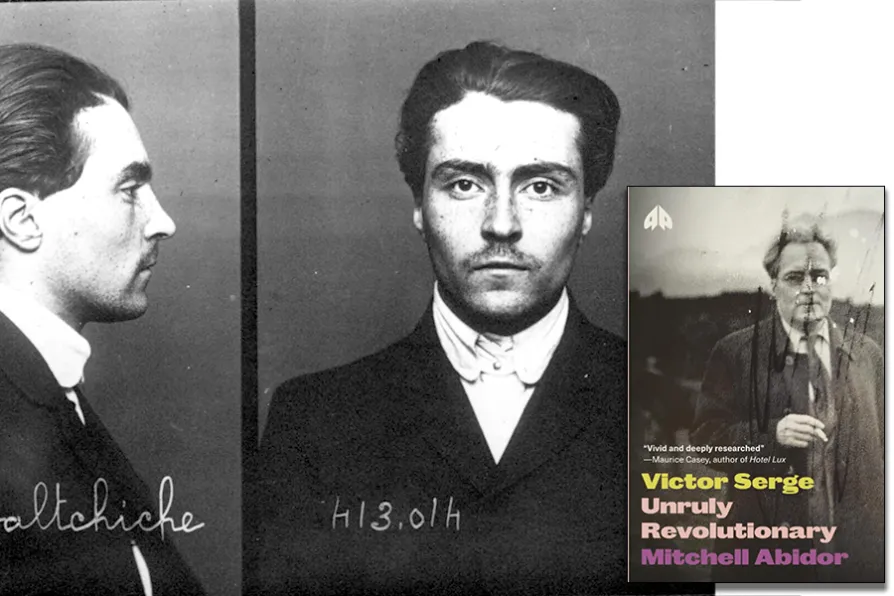
HENRY BELL salutes a fine portrait of a revolutionary who remains a deeply significant and provocative figure

GORDON PARSONS is intrigued by a pessimistic novel in which Hitler is removed from history, to little effect

Nature as well as society works dialectically, asserts the Marx Memorial Library and Workers’ School

MATTHEW HAWKINS relishes the literary output of autistic writers, and recommends its insight to readers both including and beyond the community themselves