
JAMES WALSH is moved by a provocative and original take on the relationship between ecology and architecture, and a plea to work with, not against, the materials and minerals of our world


Who’s to blame?
Nothing, says ANDY HEDGECOCK, can rescue this undistinguished amalgam of ponderous melodrama and shallow philosophical speculation
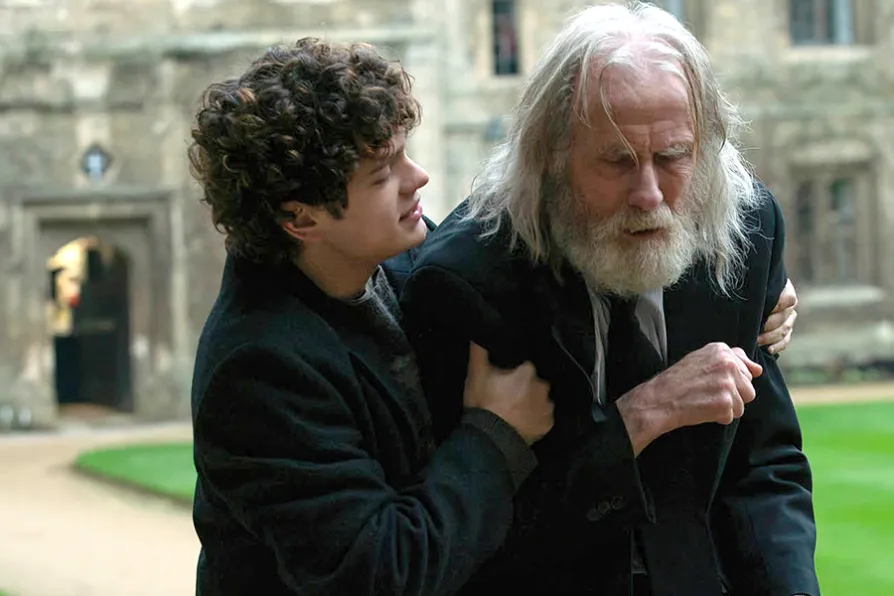
 Noah Jupe and Bill Nighy in &sons [Pic: IMDb]

An immersive, participatory display by a queer Australian Aboriginal performer, and a rebellious unravelling of traditional Scottish dance
EWAN CAMERON witnesses a political farce that lacks a clear message
EWAN CAMERON picks out two fascinating music shows, fusing the Korean, and the Celtic, with the modern
BENJAMIN POTHIER suggests that Palaeolithic cave paintings in Spain point to the ceremonial use of hallucinogenic flora
The bard confirms that the right has a humour bypass, and replays the English Revolution on period instruments





& Sons (15)
Directed by Pablo Trapero
⭑⭑☆☆☆
NEITHER the deranged grandeur of Bill Nighy as a feted but reclusive author, nor the restrained emotional depth of Imelda Staunton as his ex-wife can rescue this undistinguished amalgam of ponderous melodrama and shallow philosophical speculation.
The film begins as a mundane and cliched tale of a wealthy but dysfunctional family. Self-pitying and irascible, Andrew Dyer (Nighy) spends his days in an alcohol-fuelled miasma, watched over by his youngest son, Andy (Noah Jupe) and Czech housekeeper Gerde (Anna Geislerova). Convinced his death is imminent, Andrew summons his two eldest sons to his sprawling mansion.
Screenwriter and recovering addict Richard (Johnny Flynn) and budding documentary-maker Jamie (George MacKay) resent their father’s treatment of their mother, particularly his (supposed) infidelity and the subsequent birth of their (apparent) half-brother, Andy. The bracketed hedge phrases are necessary because, 38 minutes into the film, Dyer reveals an alternative explanation of Andy’s conception and identity.
Suddenly there’s a chance the plot will veer into science fiction (naming the specific subgenre would constitute a significant spoiler). Some characters accept Dyer’s story; others dismiss it as a pathetic attempt to evade responsibility for his unfaithfulness. The matter is resolved in the film’s closing seconds.
The Dyers are a network of exploitative opportunism. Andrew took advantage of Richard when gathering material for his literary masterpiece. Richard promotes his scripts by promising access to his father. Jamie films intimate and distressing events in the service of his art. There are hints that Gerde is executing a plot of her own.
Without exception, the central and supporting cast are outstanding. Sadly, the storytelling is diffuse, pretentious and eminently dull.
There are two major problems. Firstly, themes are addressed through dialogue, which creates a “stagey” vibe and destroys the impetus of the plot.
Secondly, the film is overstuffed with ideas — nature versus nurture; the ethics of science; the responsibilities of the artist; genetic and cultural immortality; toxic masculinity; and the nebulous notions of identity, authorship and originality. Each of these deserves focused scrutiny rather than the cursory glance afforded by a script that has bitten off more than it can chew.
In cinemas August 21.

Similar stories
MARIA DUARTE recommends a remarkable study of the friendship between a Palestinian and a Pakistani, broken by a hostile state
ANGUS REID, ANDY HEDGECOCK and MARIA DUARTE review On The Sea, A Useful Ghost, Brunello: The Gracious Visionary, and Pinocchio Unstrung
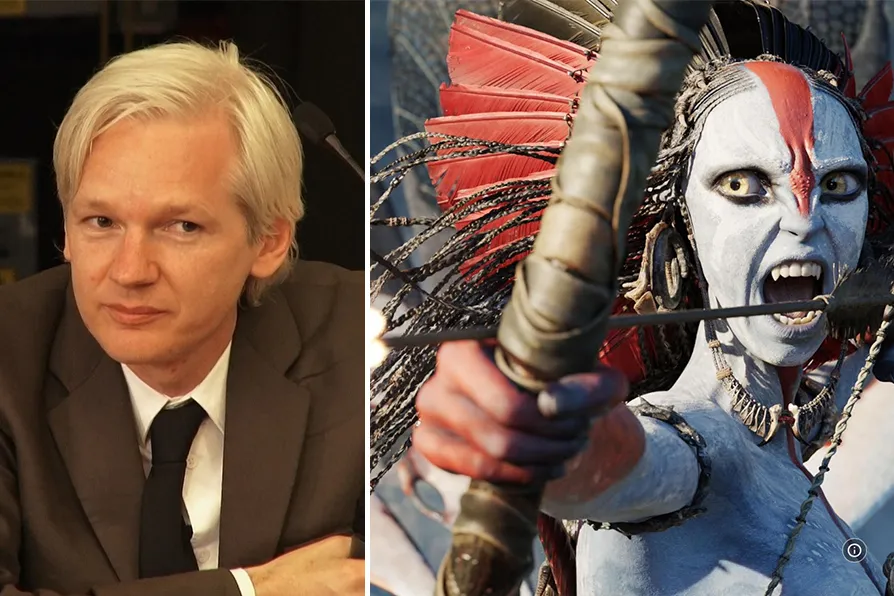
ANDY HEDGECOCK, MARIA DUARTE and ANGUS REID review The Six Billion Dollar Man, Avatar: Fire and Ash, Goodbye June, and Super Elfkins