
Nothing, says ANDY HEDGECOCK, can rescue this undistinguished amalgam of ponderous melodrama and shallow philosophical speculation


Who was Victor Serge?
HENRY BELL salutes a fine portrait of a revolutionary who remains a deeply significant and provocative figure
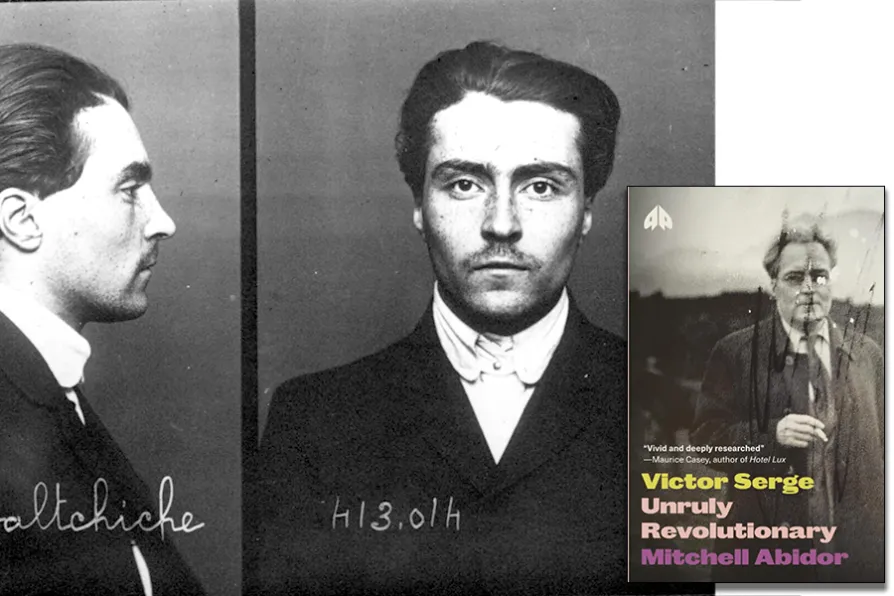
 Agence Rol's photographs of Bonnot gang member Kibaltchiche, or Victor Serge, 1913 [Pic: Agence Rol/CC]

JAMIE BRITTON invites readers to visit 3,500 locals as part of a marathon artistic pub crawl
JOHN GREEN welcomes a valuable and incisive analysis of a world become hyperpolitical but without the mass movement institutions to represent it
JAMES WALSH is moved by a provocative and original take on the relationship between ecology and architecture, and a plea to work with, not against, the materials and minerals of our world
An immersive, participatory display by a queer Australian Aboriginal performer, and a rebellious unravelling of traditional Scottish dance





Victor Serge: Unruly Revolutionary
Mitchell Abidor, Pluto Press, £19.99
IT is a luxury and a liability to live many lives. You can become a different person in each place, in each language, in each party. But a life like that will always run the risk of catching up with you.
Victor Serge was many different people in his short existence, and claimed to be others besides. All of them collide in this penetrating new biography charting the evolution of one of the 20th century’s most heterodox revolutionaries.
Most of us will have encountered Serge, if we have encountered him at all, in his Memoirs of a Revolutionary (first published 1951). All autobiography involves a certain degree of marking one’s own homework, and for Serge such self-justification is the raison d’etre of his late testament.
However, the reader that looks further will see Serge’s own account of his life-story come crashing into the still virulent loathing for him that exists in some quarters of the anarchist world.
Roger Gillot described Serge in 1921 as “the most cynical and the most rotten of the rejects of anarchy.” And as recently as 2011 Jean-Luc Sahagian published Victor Serge, L’Homme Double (Libertalia), which casts Serge as a mendacious failure caught in the throes of a revolutionary period.
Mitchell Abidor’s new biography is neither hatchet job nor hagiography. It does not take Serge at his word, nor does it aggregate the vast secondary literature about him. Instead the book returns to the sources to present a new and original view of the man.
At times deeply sympathetic and admiring of Serge, particularly his anarchism and oppositionism in the 1910s and ’20s, Abidor does not fail to confront Serge’s early misanthropy and later contradictions, for instance in examining how his anti-Stalinism metastasised into anti-communism in the last decade of his life.
The early individualist anarchism of Serge’s youth is, no doubt, a period he himself would have liked to remain buried. His hatred for the masses, his disdain for anyone who is not resisting their own oppression, his fetishisation of all crime and then his sudden jury-box rejection of illegalism are not heroic moments. But in Abidor’s comprehensive narrative they provide salient lessons, both in how nihilism can enter the politics of the auto-didact, but also in how little individualism, however revolutionary, has to offer in the struggle for liberation.
Serge emerges more fully in his later familiar form as a Bolshevik anarchist because Unruly Revolutionary takes the time to elaborate on how the valuing of the collective and of life itself emerged out of his experiences of waste and betrayal in the individualist anarchist milieu.
Such waste and betrayal confronts Serge again as he watches the Russian revolution descend into a period of reaction and paranoia during the late 1920s. And yet Abidor demonstrates to us the way in which Serge resists a return to nihilism, retaining faith and hope in the revolution and in Bolshevism even as both degrade around him and lead to his wife’s psychosis and his own arrest.
Serge’s own hypocrisies and contradictions become often necessary and even noble as we see how he seeks to communicate both the revolutionary spirit of those at Kronstadt and what he perceives as the necessity of the rising’s suppression. Just as illegalism led him to a belief in collective struggle, so Stalinism leaves him committed to humanity, free thought and truth.
Despite these ruptures with both anarchism and the USSR, Serge does not recede into liberalism, instead continuing his own revolutionary project. The commitment to the person, the individual as the moral and epistemological centre then leads Serge down a black hole of anti-communism which the book does not shy away from.
In dealing with a subject who produced an almost manic quantity of letters, articles, essays, novels and non-fiction books, coupled with a comprehensive literature of denunciation from his many enemies, and extensive police reports from multiple interrogations, court cases and imprisonments, Mitchell Abidor has the unenviable luxury of building a biography out of a truly vast mountain of material.
This is done with narrative skill and a clear voice, but at times the level of detail can be overbearing. The author’s eccentric, though often enjoyable, word-choice sometimes adds to this inaccessibility: “Climacteric” and “velleities,” anyone? But you can’t blame a writer for loving words.
This is a fine portrait of a revolutionary who remains a deeply significant and provocative figure. Abidor writes with passion and erudition about Serge as a political and literary revolutionary, but above all as a human: fallible, contradictory and deeply courageous.
In his stand for humanity, his deep love of revolution, and his attempts to synthesise moral anarchist-humanism with political Marxist-Leninism Serge may yet have much to teach us. In his failures there may be other lessons.
Above all, this biography demonstrates how in every phase of his life, as an anarchist, a Bolshevik, a Trotskyist, a novelist and an anti-communist, Serge was resolutely a revolutionary.

Similar stories

Concessions to Washington by the post-Maduro leadership in Caracas are designed to preserve the core of the Bolivarian Revolution not betray it, argue Roger D Harris, Francisco Dominguez and Mara Paez Victor. How the solidarity movement responds is critical
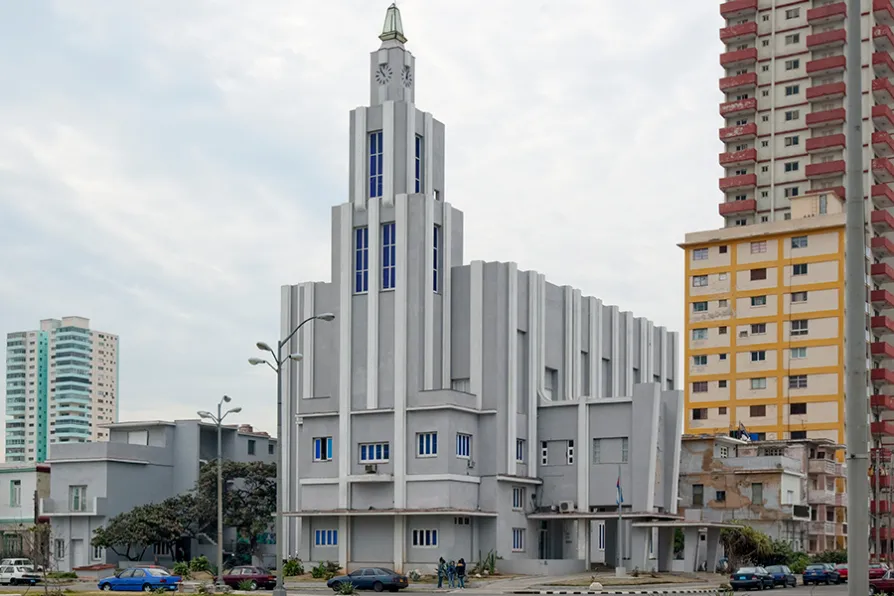
MIGUEL YOSHIDA explains the evolution and influence of the Cuban Casa De Las Americas in joining culture to the revolutionary struggle
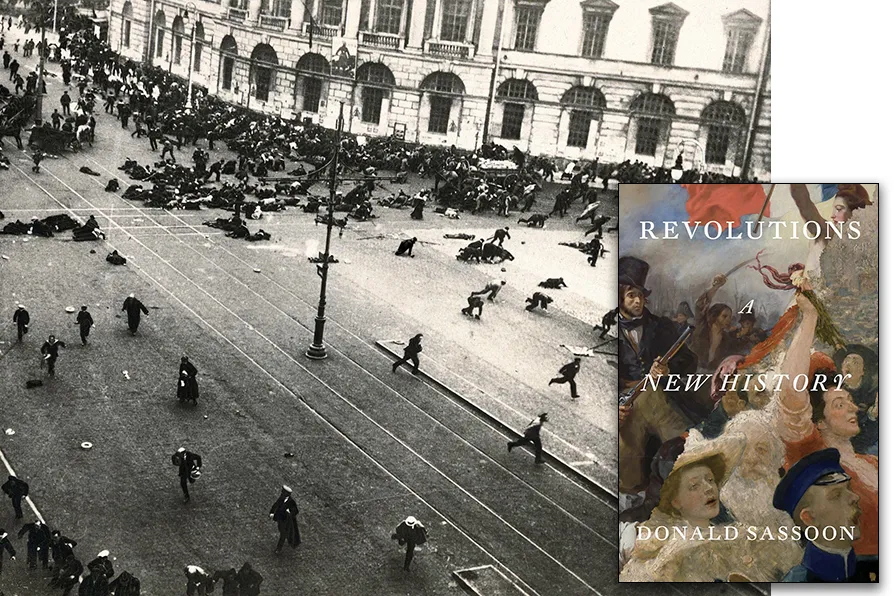
HENRY BELL follows the lineage of revolutions, from the English to the Chinese, and asks where revolutionary politics exists today
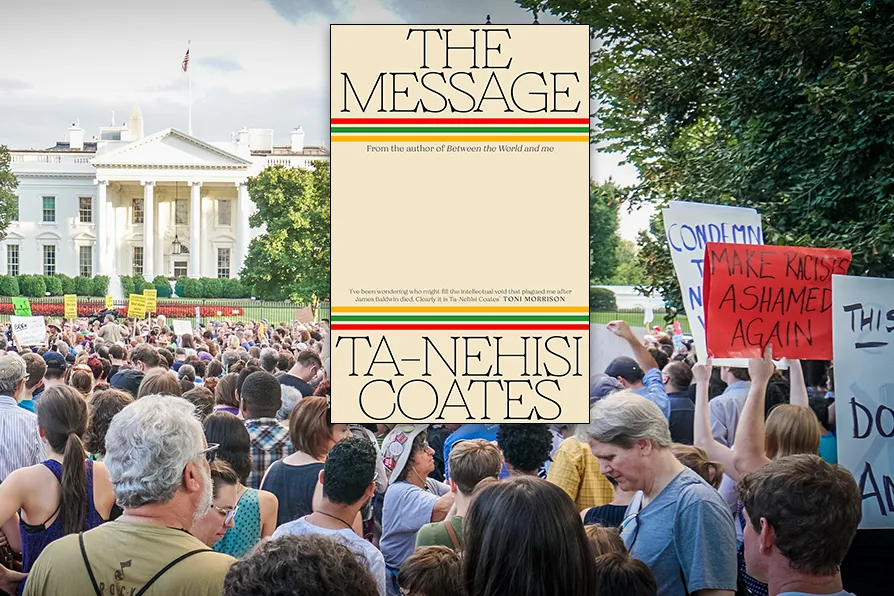
HENRY BELL welcomes a fine demonstration of the need to love the words themselves in the communication of political messages