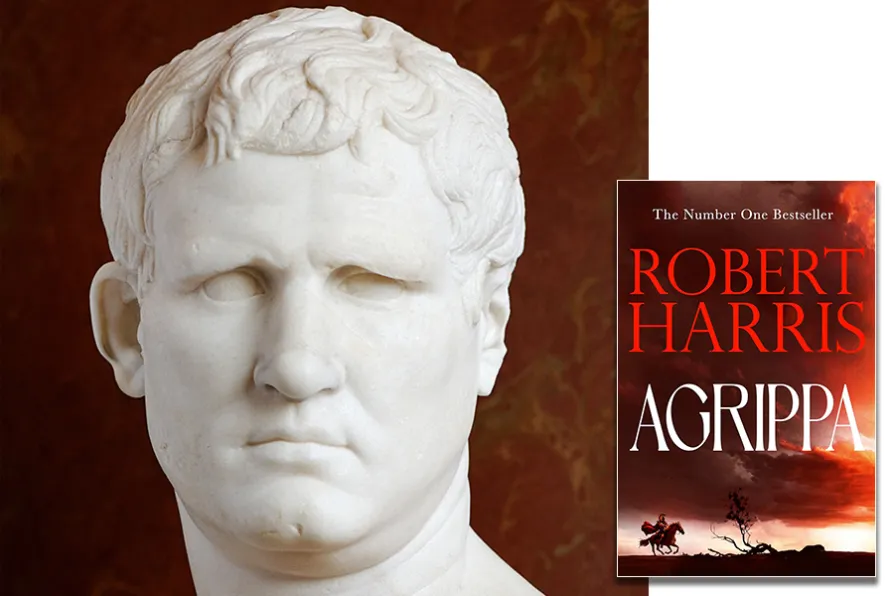
CATHERINE STEEL relishes a compelling novel about Augustus’s right hand man, but misses the politics, the cultural shifts, and more detail about his restoration of Rome


 Latest editorial

The white key’s burden
As young pianist playing old pianos, DAVID YEARSLEY remembers being taught that ivory is warm and welcoming to the touch...
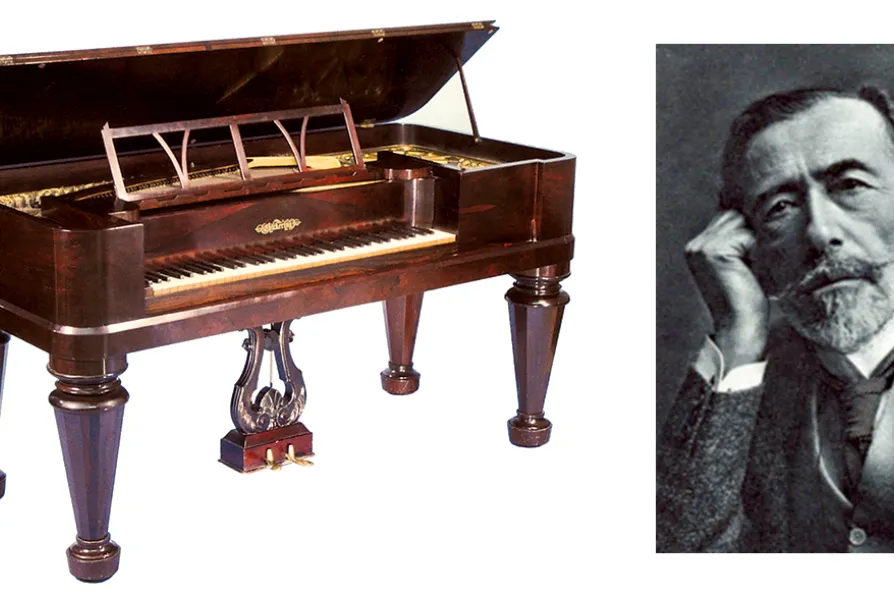 PAINFUL SOULSEARCHING : (Left) A square piano by Jonas Chickering US, c1850 - square pianos were owned by everyone from George Washington and Thomas Jefferson to Marie Antoinette and Jane Austen; (right) Joseph Conrad
[www.metmuseum.org/public domain - NYPL Digital Gallery/public domain]
PAINFUL SOULSEARCHING : (Left) A square piano by Jonas Chickering US, c1850 - square pianos were owned by everyone from George Washington and Thomas Jefferson to Marie Antoinette and Jane Austen; (right) Joseph Conrad
[www.metmuseum.org/public domain - NYPL Digital Gallery/public domain]
TONY BURKE speaks to JOEL McIVER, co-author of the biography of bluesman John Mayall
A misfit couple unhappily ever after, a dead man walking, dodgy journos, and trench art trucking
New releases from Javon Jackson, IZE Trio, and Mal Waldron Trio
PAUL DONOVAN applauds an intriguing multi-layered depiction, dominated by a stunning impersonation of Marilyn herself
EWAN CAMERON marvels at the impossible ambition, realised with dreamlike finesse of translating Italo Calvino to the stage





WHITE is the colour of evil in Joseph Conrad’s Heart of Darkness. The horror is ivory. The coveted material fires the greed and stokes the chaos of the entire sprawling colonial project depicted in the novella. The lust for tusks has overtaken the Africans and their European colonisers.
The tale’s narrator, Charles Marlow, is hired on as a steamboat captain by a Belgian ivory trading company. At the farthest upriver outpost, he will encounter Kurtz, gone rogue but still claimed by company executives and agents in the field to be their most successful ivory producer.
On the journey inland, Marlow’s boat stops at the company’s central station. There he sees “men strolling aimlessly about in the sunshine of the yard. The word ‘ivory’ rang in the air, was whispered, was sighed. You would think they were praying to it. A taint of imbecile rapacity blew through it all, like a whiff from some corpse.”

Similar stories
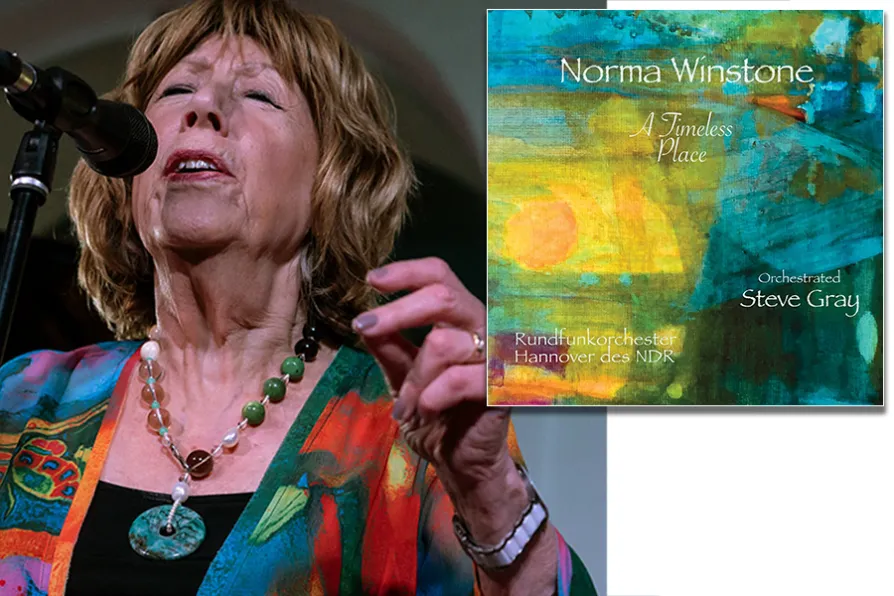
Chris Searle speaks to jazz vocalist NORMA WINSTONE
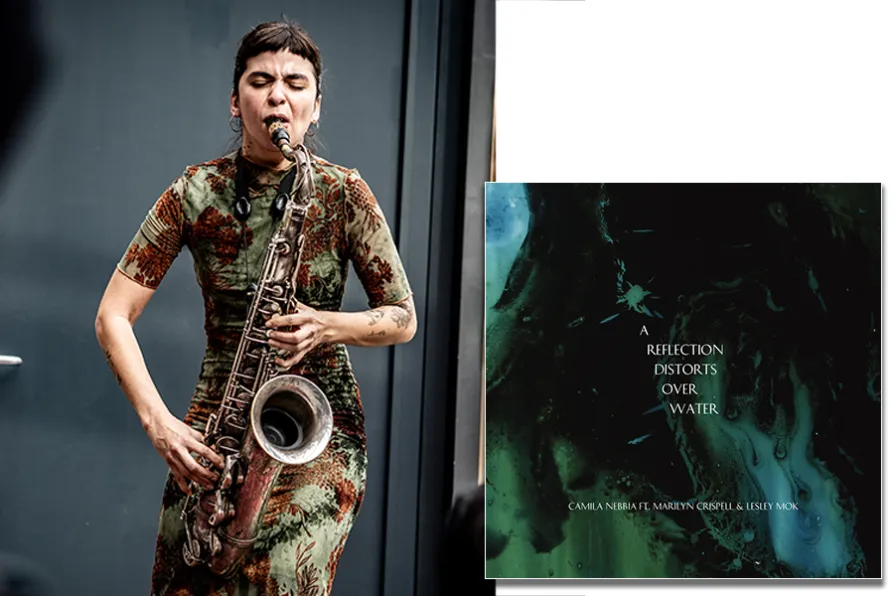
CHRIS SEARLE speaks to Argentinian saxophonist CAMILA NEBBIA
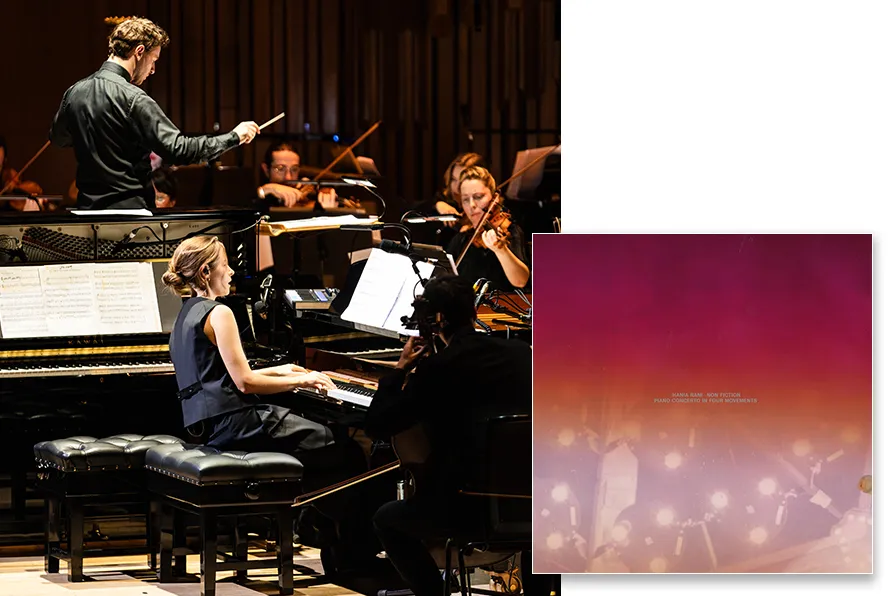
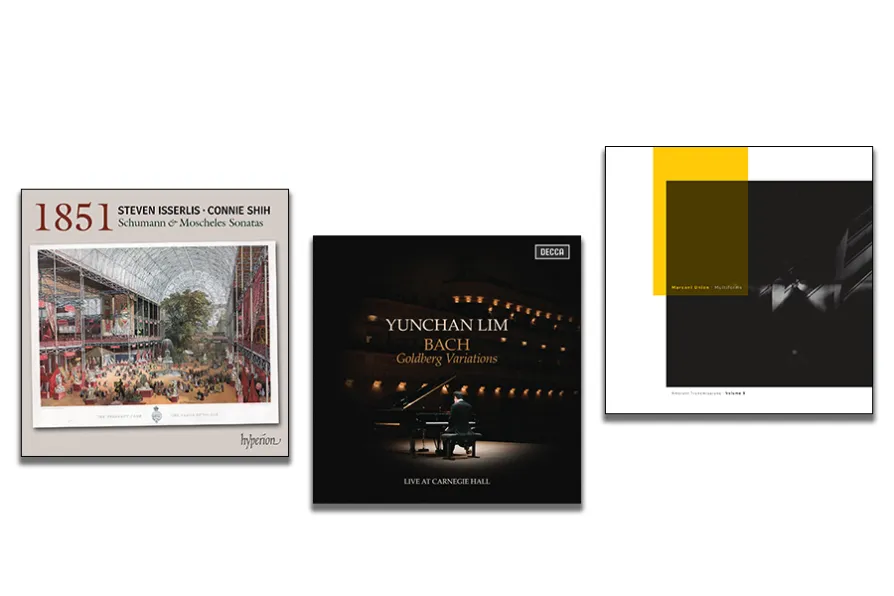
WILL STONE witnesses an experimental piano concerto inspired by the work of a young Jewish victim of the Nazis