
PETER MASON applauds the revival, 39 years later with the same team and cast, of Manfred Karge’s version of Brecht’s 100-year-old play, Mann Ist Mann

‘Our music is the music of freedom. We need to keep resisting, creating, speaking up’
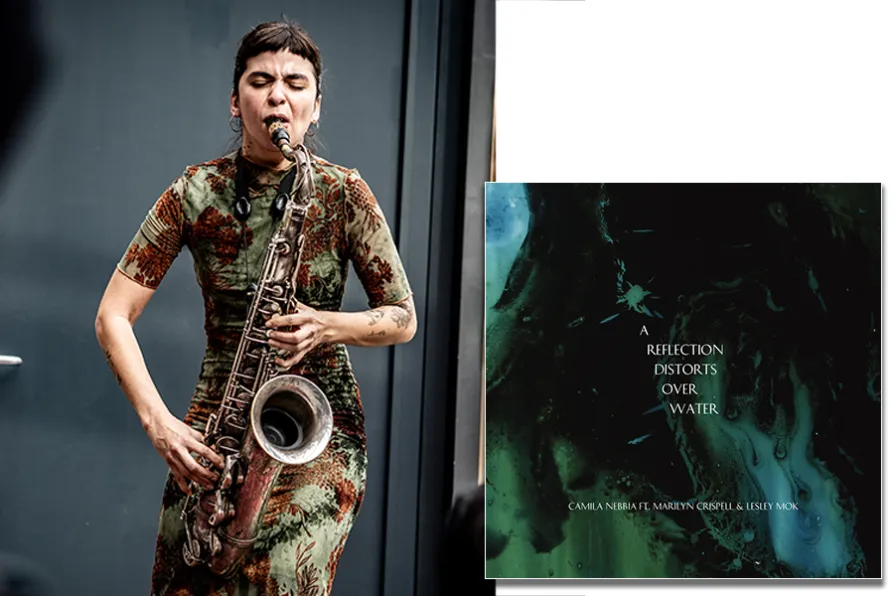
CHRIS SEARLE speaks to Argentinian saxophonist CAMILA NEBBIA

New releases from Biita Houdei, The Mary Wallopers, and The Tubs
New releases from Biita Houdei, The Mary Wallopers, and The Tubs
MAYER WAKEFIELD applauds a fearless attempt to bring to the stage the 1984 toxic gas disaster in Bhopal, India
ALEX HALL applauds the account of a dogged, traumatic and punishing campaign for justice that has lasted from 1998 to the present day
NICK WRIGHT laments the political bias of an epic attempt to tell the history of the liberation of France from the Nazis, that excludes both the decisive contribution of the Soviet Red Army, and of the French communist party itself





THERE were only two of them on the Cafe Oto stage: the New Jersey drummer Chris Corsano (born 1975), and the saxophonist from Buenos Aires, Camila Nebbia (born 1987). The north and south Atlantic were in unity: one ocean, one music, well met in an east London ex-paint factory.
Nebbia’s tenor saxophone was more than half her height. How did such a slight body produce such music of profound and outrageous emotive power, breath and melody? Her fingers were a quivering blur as they danced up and down her saxophone, roaring, guffawing — a true puma of the reed; the visceral and the tender, the quiescent and the turbulent, all contrary elements of the same antithetical soundscape, while Corsano’s multisonic, throbbing drums crashed, boomed and rattled alongside her.
She curled her horn sideways so that its muted bell was muffled by the flesh of her upper leg, so for a few precious seconds her rampaging, loquacious sound softened to what seemed like a lullaby. There were no solo passages, every sequence spelled unity, a tryst of musicianship from a sister and brother of sound as melody was half-hidden within their onrush of improvisation. Was that Monk’s Well, You Needn’t I could hear, for at the outset of the second piece, there was a sudden, infusing burst of jazz tradition.
I ask Camila about her life in music.
“I started playing saxophone when I was nine years old,” she tells me. “I’m not from a musical family. I discovered the instrument by listening to someone playing it and I knew it would be with me for the rest of my life. As a teenager I listened to a lot of punk and rock — and a lot of Argentinian bands, but I got into jazz through a box of albums my parents had. My first jazz inspirations were Dexter Gordon and Sonny Rollins, but I was also inspired by my countryman Gato Barbieri’s vision of music, going for what is honest.”
“There’s a very interesting jazz and improvised music scene in Argentina, and that was a key element in my musical and artistic growth. An important album for me was Ornette Coleman’s ‘Crisis’. It changed my path and made me discover the depth in improvised music. My first gig was when I was 15, playing electric bass in a school punk band, but Ornette made sense of the love I have for punk music, showing me how radical, free and intense music can be. I travelled to the US to take lessons and play with the musicians, then decided to move to Europe six years ago.”
Her new album, A Reflection Distorts Over Water holds all the passion and artistry of her live playing, together with that of the veteran US pianist Marilyn Crispell and drummer Lesley Mok. “It was inspired by some dreams I had before the recording and some frames from films I had made, (I also make experimental films.) I shared these with Marilyn and Lesley in the studio.”
“Playing with Marilyn was such a special moment in my life. She’s an inspiring human being and so generous. The experience left me with a feeling of connecting to what is important in life: to be honest with oneself. As for Lesley, she’s always listening and connecting to what the music needs, and takes every collaboration very personally. I love that about her.”
Having made Berlin her home, what engages her so deeply with the city?
“There’s so many from everywhere there; the scene is very diverse and there’s always new people arriving. It makes me feel that there’s so much space there to develop myself.”
I asked her how music can tackle European racism and division, like the music of Max Roach, Charles Mingus and Archie Shepp did so explicitly in the 1960s in the US. “Our music is the music of freedom. We need to keep resisting, creating, speaking up. The music is about bringing people together. The best thing we can do is be together.”
The soundworld of her words surges through her album, with Crispell’s universe of piano and Mok’s relentless drums. Don’t miss her next time she’s here, at Cafe Oto on October 21.
A Reflection Distorts Over Water is released by Relative Pitch Records

Similar stories
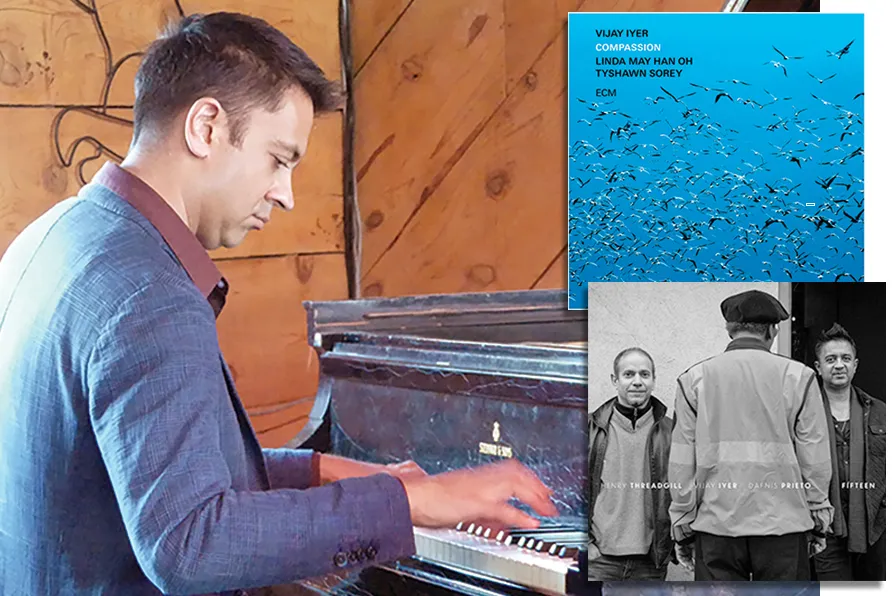
CHRIS SEARLE urges you to listen to two new albums by the US Indian pianist VIJAY IYER
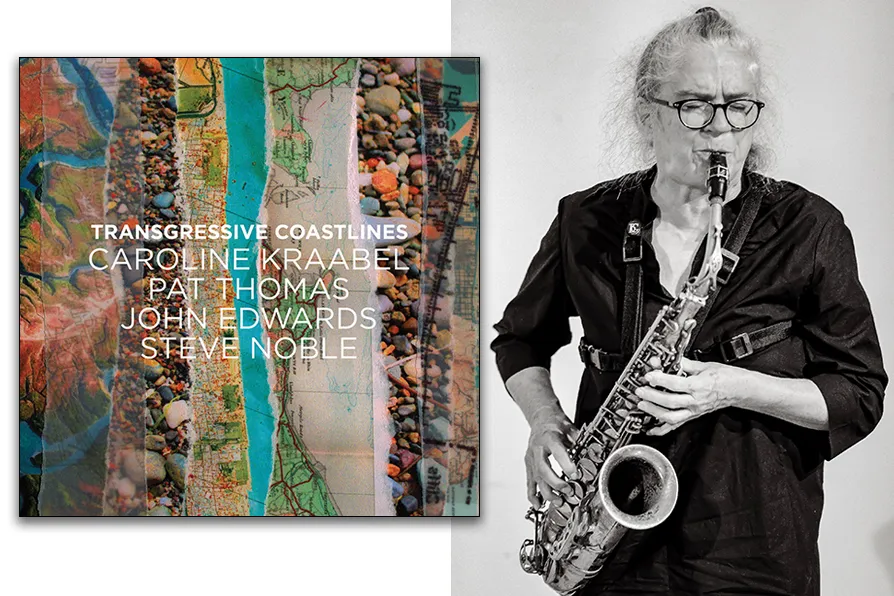
CHRIS SEARLE speaks to US saxophonist CAROLINE KRAABEL
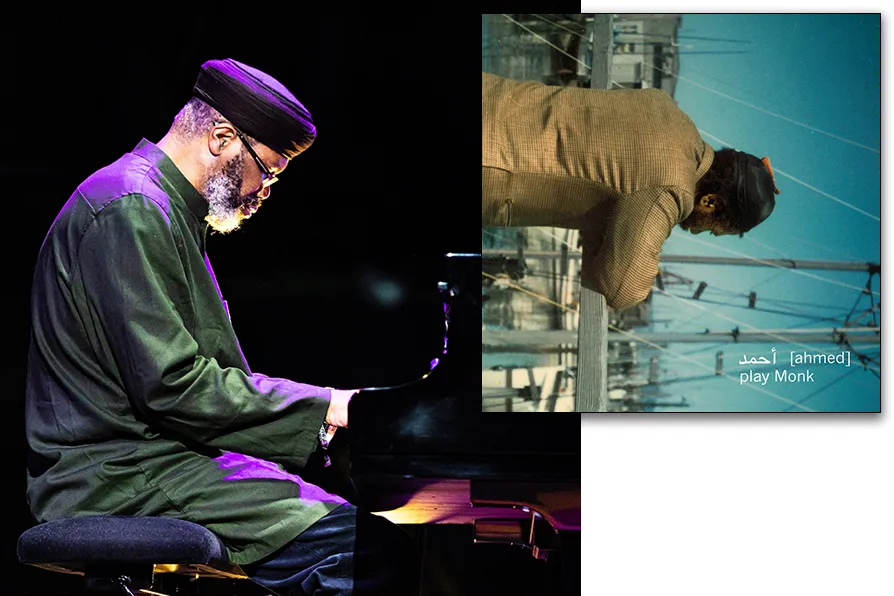
CHRIS SEARLE recommends a new album featuring Pat Thomas and Ahmed, and marvels at the tempestuous power of a live performance

As part of the 2025 London Jazz Festival Rich Mix offered intriguing sessions titled 'Persian Jazz,' CHRIS SEARLE was there