
Washington’s inability to subjugate Iran is an example of how it is trying to preserve a regional order that no longer exists, argues RAMZY BAROUD


Where Britain’s wasps have gone and why they need your help
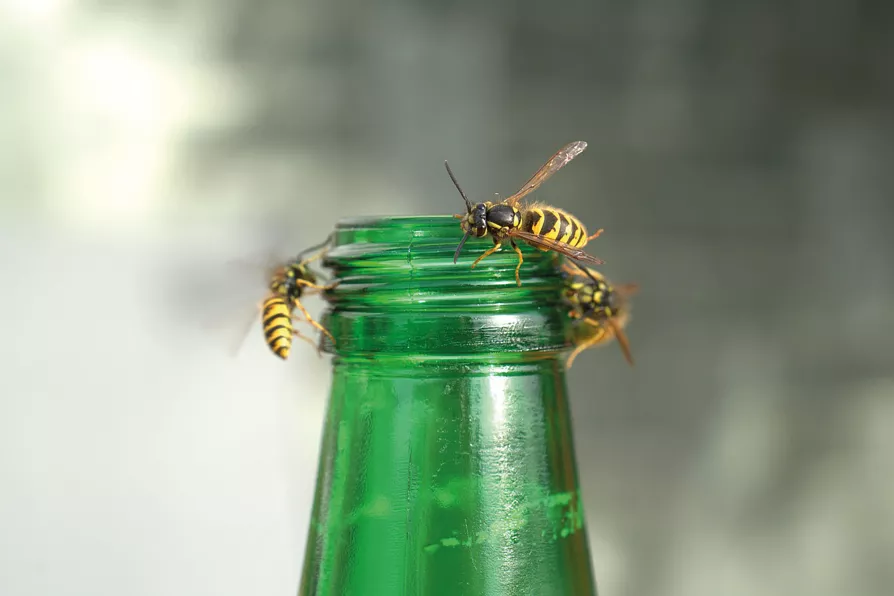
This much-maligned insect’s numbers are dramatically down this summer. SEIRIAN SUMNER explains what’s happened to them, and why ecologists are calling for assistance from the public


US financial instability is exposing the limits of a dollar-dominated global economy — and giving the Global South a historic chance to build an alternative, says MURAD QURESHI
DOUG NICHOLLS says the parasitic finance markets must be challenged or another British government could be toppled
The late country singer’s Imagination Library has put hundreds of millions of books into children’s hands. We should build on that legacy by defending the libraries at the heart of our communities, says BRENDA AITCHISON
Deprivation is a fundamental factor in criminal behaviour that must be addressed but, KENNY MacASKILL argues, there needs to a major rethink in sentencing to tackle overcrowding
MML director MEIRIAN JUMP outlines the recently refreshed library’s busy autumn schedule that ranges from book sales, archival exploration, community work with online education and the ever popular site tours
TONY BURKE surveys the shifting political landscape and the challenges Labour needs to address if it is to prevail in the 2028 federal elections





I GET twitchy about taking holidays at the end of August, because it’s the only time of year when people (and the media) in Britain seem to want to talk about wasps and I have spent my career trying to change people’s minds about these fascinating insects.
Typically, the British wasp hysteria season peaks around August bank holiday, when we’re squeezing the last alfresco dining out of summer. Inevitably, along comes a yellowjacket wasp or two. The media follow with headlines themed on wasps on the attack. My colleagues and I step in with a defence of wasps, about their important role in ecosystems as pest controllers and pollinators and how their life history helps explain their behaviour.

Similar stories

Hot and dry conditions are threatening British species unequipped for drought, explains PAUL ASHTON

Climate extremes are becoming our new normal, says CHLOE BRIMICOMBE
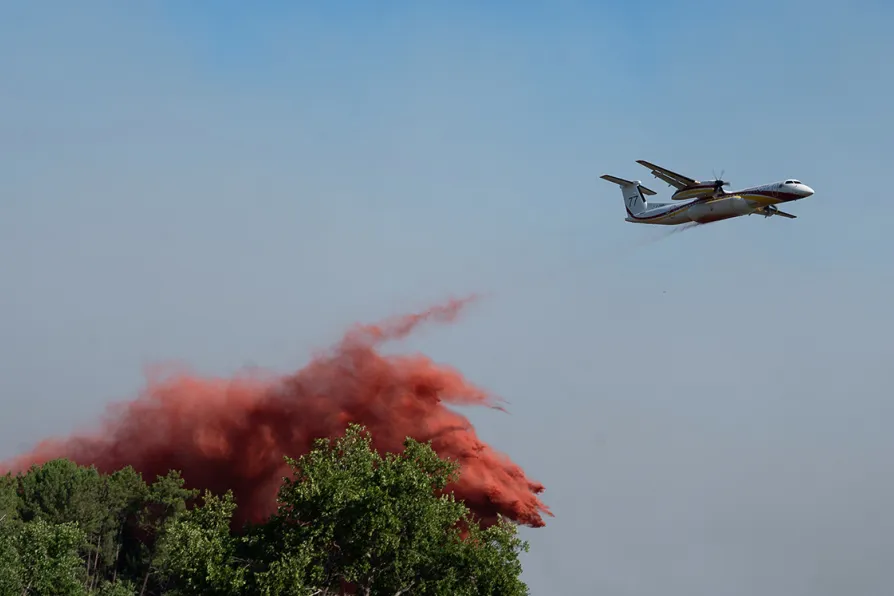
Emergency phone alerts could help Britain respond to rising wildfire risk, but Australia’s experience suggests they work best as part of a broader strategy, write ELLIOT CONVERY-FISHER and KATE PARKINS
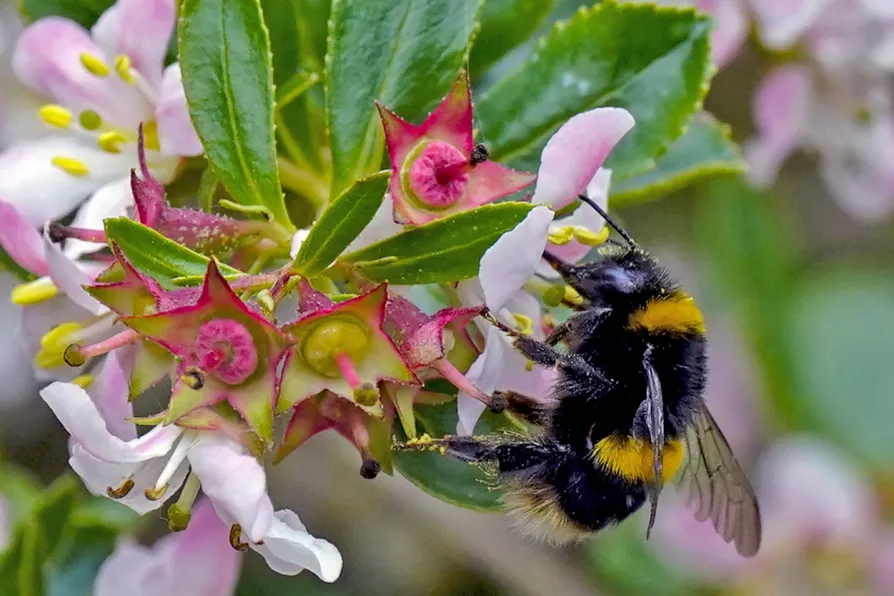
Rising temperatures and human activity are making life far harder for these vital pollinators. ALEX DITTRICH explains