


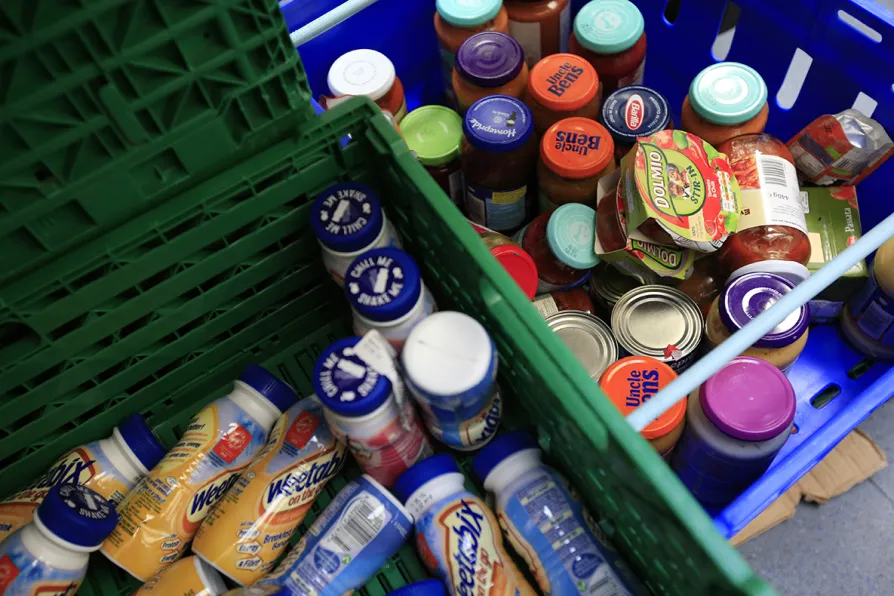
 Stocks of food at a food bank
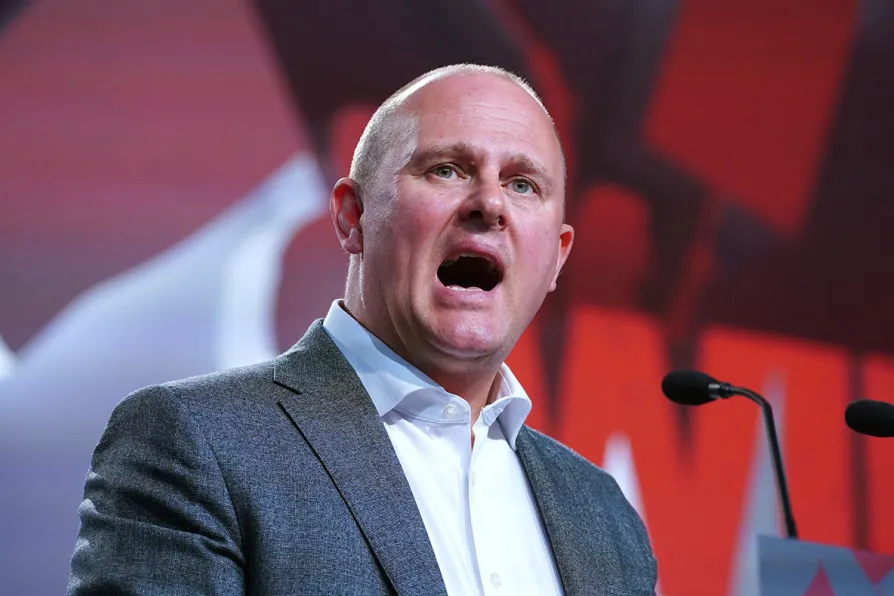
Parliamentary probe into the Reform UK leader’s £5m gift from crypto-billionaire to resume





SOARING food bills are on the way as a result of the aggression against Iran, grocery experts warned today.
The Institute of Grocery Distribution said the conflict could lead to food prices rising by more than 8 per cent within months, more than double the food inflation rate at present.
This would happen if the food industry is hit by the “most severe but short-lived energy shock scenario.”
The warning came as Chancellor Rachel Reeves conceded “significant” pressure on the economy arising from the US-Israel attack on Iran, although she has yet to unveil any decisive responses to the crisis.
Official figures released today showed inflation holding steady at 3 per cent in February, before the oil price shock caused by the war.
But food prices are already 38 per cent higher than they were before the Covid pandemic, impacting significantly on poorer households.
The latest forecast would add £150 to annual food bills for the average household, on top of eye-watering fuel price rises.
Economists are warning that the overall inflation rate is likely to rise again to 4 per cent and beyond as a result of the war.
Prime Minister Sir Keir Starmer repeated his call for “de-escalation” of the conflict in the Commons, and claimed Britain was staying aloof from the war.
He again denounced both the Tories and Reform for their early calls for full British involvement in the attack on Iran, telling MPs that Conservative leader Kemi Badenoch “wanted to jump into the war without regard to the consequences.”
Reform MPs led by Nigel Farage stormed out of the Commons as a group in apparent protest at the Prime Minister’s attacks on them.
The PM, when not ordering ever-greater military deployments to the Gulf, is manoeuvring to reopen the Straits of Hormuz, presently closed to all but vessels the Iranian government deems friendly.
Sir Keir called Saudi Arabian despot, Crown Prince Mohammed bin Salman, on Tuesday to discuss the crisis.
He said Britain was “now working with partners on what a viable plan could look like to ensure the flow of goods through the key maritime route.”
But he has yet to commit to the deployment of naval vessels into the war zone, earning him the scorn of US President Donald Trump.
