
The UK Prime Minister may have the regal touch in northern England, but he’s been wrong-footed on the constitutional challenges posed by the Celtic Alliance of first ministers from Scotland, Wales and Northern Ireland, argues KENNY MacASKILL

Turning the tide on merchant navy decline and support maritime employment
Seafaring is vital to our nation’s economy, but the industry has been allowed to diminish with a devastating impact on our port cities and coastal communities – a rejuvenation policy is urgently needed, argues MARK DICKINSON
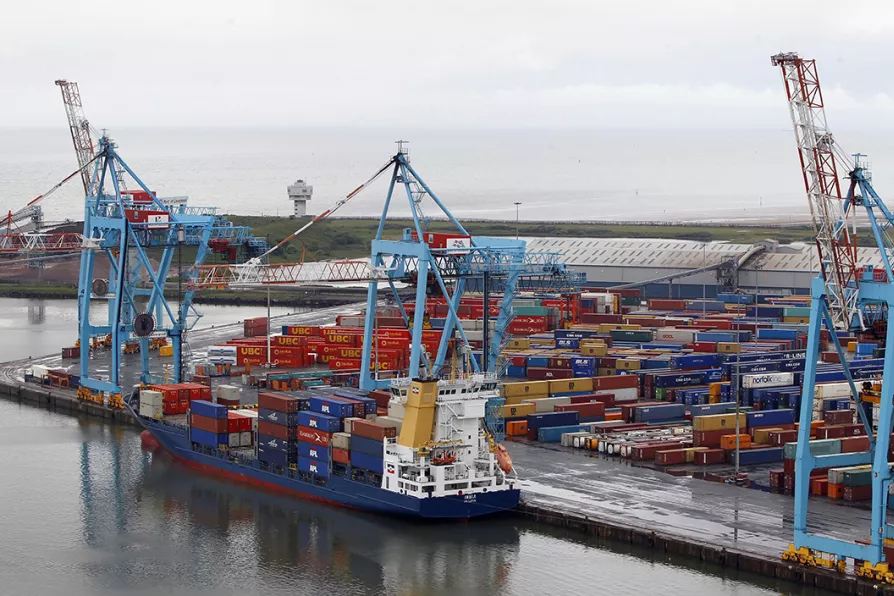
 The port of Liverpool

NEIRLAY ANDRADE, a member of the Communist Party of Venezuela’s political committee, outlines her party’s position on the crisis facing the country
A look at Taylor Wimpey’s accounts shows why Labour’s market-led housing strategy won’t deliver more, cheaper homes, as promised, says SOLOMON HUGHES
DAVID HORSLEY remembers the remarkable life and death of US black revolutionary George Jackson, whose politically passionate prison letters were published as Soledad Brother
Cuban trade union federation CTC leader OSNAY MIGUEL COLINA speaks to Ben Chacko about life and work under a crippling US siege
A part of the British empire’s network of slavery, today the Caribbean island of Nevis faces a new form of exploitation in the form of crypto-colonialism, CLAUDIA WEBBE writes
Challenges from the unscrupulous misuse of AI to steal actors’ voice and physical likenesses is being met with a firm union response, writes LYNDA ROOKE





AS AN island nation, the UK merchant navy once stood as a source of major employment for British seafarers, particularly those in proud port cities like my home in Merseyside near Liverpool or others like Glasgow, Belfast and Southampton, the names of which would be proudly displayed on the sterns of vessels flying the Red Ensign.
Unfortunately, the sight of the Red Ensign on a vessel is becoming less frequent and is even less likely to represent employment of British seafarers, more common now is the flag of convenience — countries like Liberia, Marshall Islands or Panama too often with poorly paid crew from the global South.
In fact, the UK currently faces historic lows in the number of registered vessels, indicating a wider problem — the decline in the UK merchant navy and a source of longstanding employment, particularly for coastal communities. The UK is currently also facing historic lows in the number of qualified active seafarers.

Similar stories


The TUC fell for the illusion of a ‘Social Europe’ in 1988 and backed single-market membership. DOUG NICHOLLS argues that dramatic changes in the EU prove the need for an independent economic policy
More than 100 coastal nations use cabotage laws to protect domestic shipping and seafarer jobs. SASCHA MEIJER of Nautilus International says it’s time for Britain to follow suit

The future does not have to be climate chaos and social breakdown. MARC VANDEPITTE looks at the alternatives offered by the Global Justice Report, co-authored by Thomas Piketty