


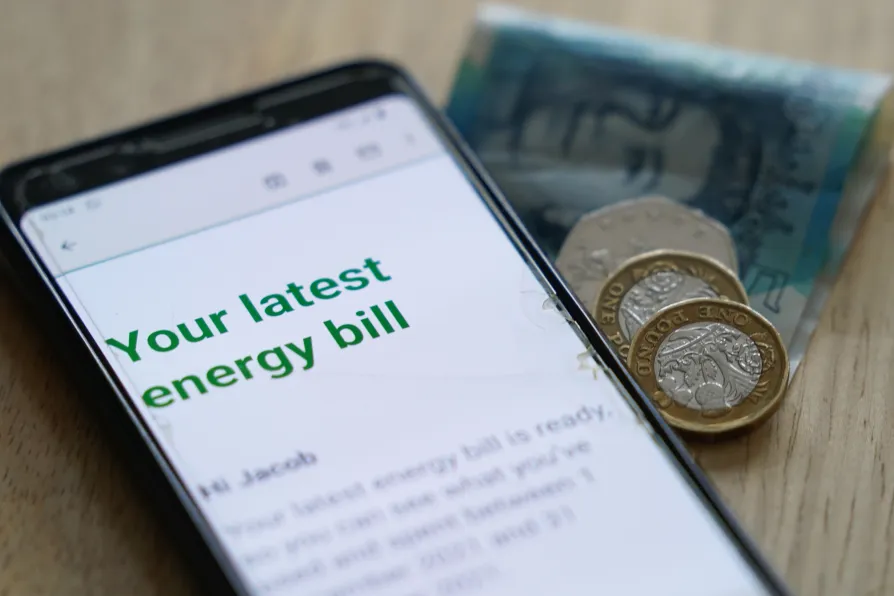
 An online energy bill






A £53 MILLION package for homes hit by the emerging energy crisis was called “relatively limited” and will arrive too late for some families, fuel poverty campaigners warned today.
Prime Minister Sir Keir Starmer acknowledged the impact of rising oil and gas prices on households in Britain caused by the US-Israel war on Iran as he set out the support package for “vulnerable” customers of heating oil, focused on “those households that are most exposed.”
Confirming that the government had issued a “legal direction” to energy companies to pass on savings from government policies already announced, he said: “I simply will not allow companies to make huge profits from the hardship of working people.”
End Fuel Poverty Coalition co-ordinator Simon Francis said: “The targeted support and steps towards stronger protections are welcome.
“However, the financial help announced today is relatively limited and will take time to reach households that are suffering now.
“If prices remain high ministers will need to go further with a stronger Alternative Fuel Support Scheme to ensure off-gas-grid households — including those in park homes, care homes and on heat networks — are properly supported.
“The longer-term solution must be helping oil-heated homes to move away from expensive fossil fuels through insulation, alternative heating systems, heat pumps and community energy so households are not repeatedly exposed to global energy shocks.
“We would also urge ministers to talk to charities, advice providers and experts now about the measures that may be needed from July 1 after the current price cap protection ends.”
Sir Keir did not rule out a more significant intervention once the current energy price cap expires in July.
Global Justice Now climate campaign manager Izzie McIntosh said: “As the government announces millions of vital public support for billpayers, oil giants BP and Shell are set to make £5 billion from this latest energy crisis.
“It’s clear that our energy system is fundamentally broken.”
The Treasury said the funding has been allocated based on census data, with the money going to the devolved governments to distribute.
But the government was not able to provide an estimate of the number of households that would benefit from the extra support.
