

 Latest editorial

Lammy's attack on the right to jury trial slammed as it returns to the Commons
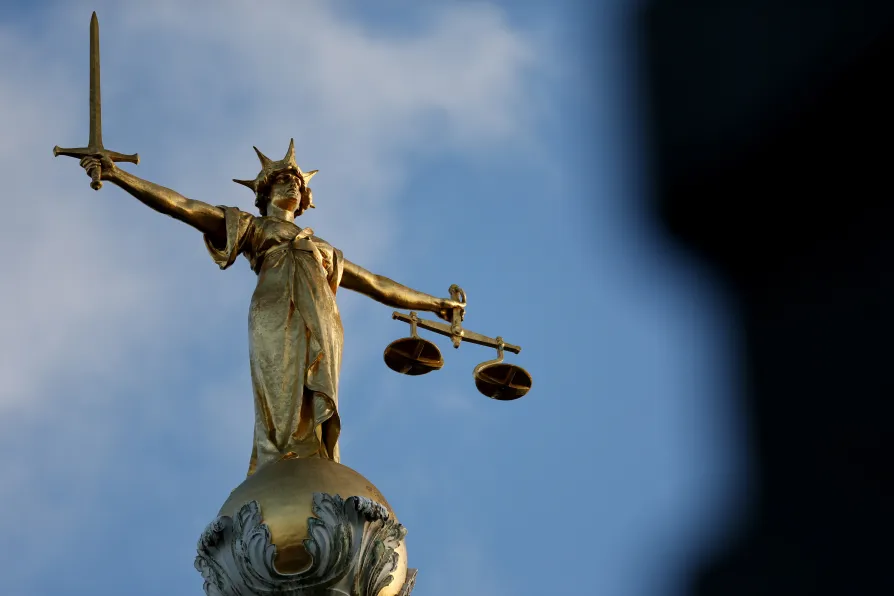 FW Pomeroy's Statue of Justice stands atop the Central Criminal Court building, Old Bailey, London
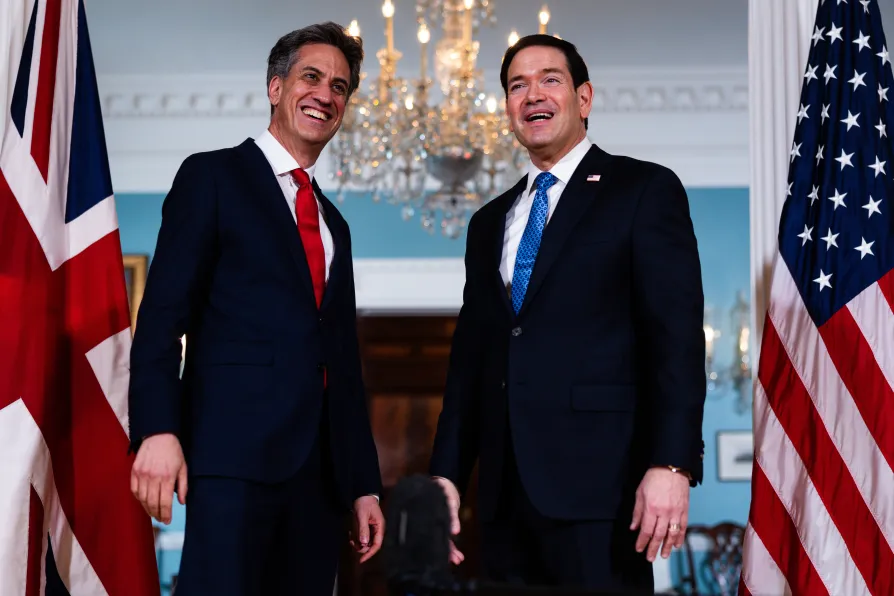





DAVID LAMMY’S attack on the right to jury trial was slammed by MPs today as it returned to the Commons for a second reading.
One MP detailed her rape ordeal for the first time, accusing ministers of using victims as a “cudgel” to push through court reforms that wouldn’t help them at all.
The debate followed a petition to Prime Minister Sir Keir Starmer by more than 3,200 lawyers, including hundreds of judges and barristers, calling on him to drop the attack on jury trials. The letter was organised by the Bar Council, whose chair Kirsty Brimelow told ministers to “stop before bulldozing our jury system.”
“We do not support the erosion of a deeply entrenched constitutional principle for negligible gain and with substantial risks,” the letter reads.
Mr Lammy claims curtailing jury trial rights is needed to deal with a huge backlog in court cases.
His Courts and Tribunals Bill would remove the right to request trial by jury from “either way” offences (those which can currently be tried either in a magistrate’s court without a jury, or a crown court), introduce more cases that can be heard only by a judge enabled to jail people for up to three years without a jury verdict, and raise the length of sentences that can be handed down by magistrates’ courts from 12 to 18 months.
But Labour MP for Warrington North Charlotte Nichols, who said she had endured “every indignity that our broken criminal justice system can mete out” as she waited 1,088 days for her case to appear in court,” said the perspective of rape victims was being “ventriloquised in this debate.”
“In this debate experiences like mine feel like they are being weaponised and are being used for rhetorical misdirection for what this Bill actually is,” she said.
“The government’s framing and narrative has been to pit survivors and defendants against each other in a way that I think it is very damaging.
“It is because I have been raped that I am as passionate that I am about what it means for a justice system to be truly victim-focused.”
Ms Nichols added that the Bill failed to deliver on a Labour manifesto promise of specialist rape courts and warned the transition away from jury trials in certain cases might itself take up operational time.
She urged ministers to introduce already “proven meaningful and significant reductions for waiting times for complainants and defendants rather than speculative unevidenced reductions that the Institute for Government says could be as little as 1-2 per cent and come in years down the track.
“An unintended consequence of these changes could be that women from minoritised backgrounds are less likely to come forward not more.”
Justice Secretary David Lammy pleaded with MPs today to support his plans, insisting that the choice was “stark” as there was an urgent need to keep the criminal justice system running amid rising court backlogs.
Though his case is predicated on the huge backlogs built up as a result of massive cuts to justice budgets over 14 years of Conservative rule, Justice Minister Sarah Sackman has claimed the government would push the reforms through regardless of any backlog — when rejecting demands for a “sunset” clause whereby the reforms would only apply till the number of outstanding cases is more manageable.
Critics including Defend Our Juries and many protest groups say the real motive is to counter the growing tendency by juries to acquit defendants accused of criminal activity in pursuit of wider goals which command significant popular support, such as addressing climate change or disrupting the supply chain of armaments to Israel, facing genocide charges in international courts for its war on Gaza.
Backbenchers raised concerns about the capacity of magistrates’ courts to take on cases and whether the wider reforms were workable before voting on the Bill’s second reading as the Morning Star went to press.
Labour MP Karl Turner branded the jury changes “unworkable, unjust, unpopular and unnecessary.”
But despite having led parliamentary dissent to the Bill, he indicated he would abstain.
The Kingston-upon-Hull East MP and former barrister said: “I am more confident now than ever I was that the worst parts of this Bill will be defeated at amendment stage, and I ask sincerely to my honourable and right honourable friends to let this have a second reading today, and let us make progress to get rid of the bits of this Bill which are completely unworkable, unpopular, unjust and unnecessary.”
