 [Pic: Kayla Gibson / Creative Commons]





THE sentencing of South West Water for illegal sewage dumping was delayed today as campaigners called for the company to be “squeezed until the pips come out.”
South West Water pleaded guilty in March to 18 pollution-related offences spanning six years across Devon and Cornwall, 17 counts relating to illegal sewage discharge and one for failure to take reasonable remedial measures following a pumping station failure.
Sentencing, which was due to take place at Exeter Magistrates’ Court today, was adjourned until August 5, after the defence said a point arose that it was not previously aware of.
The judge presiding said it is right that they “be allowed time to make a submission” before handing down a written judgment for the case brought in by the Environment Agency.
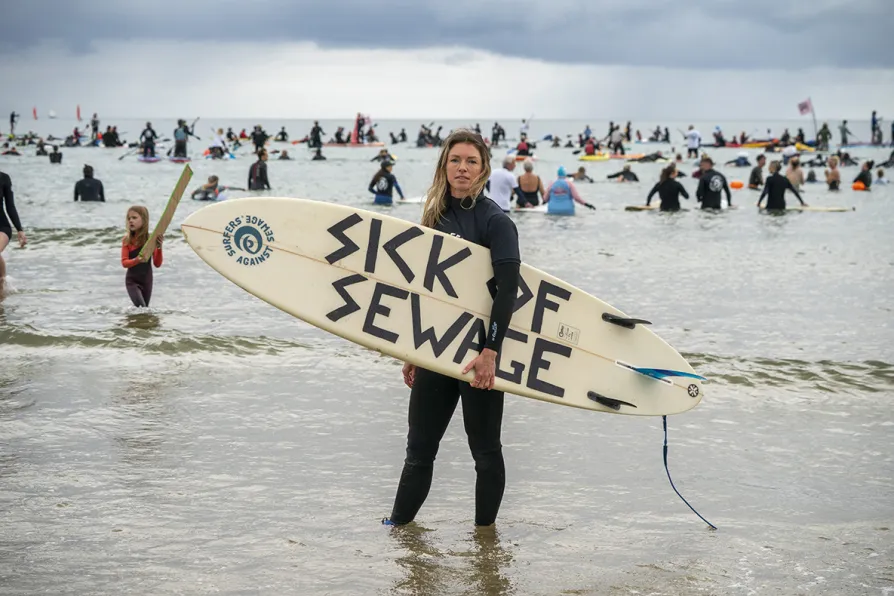
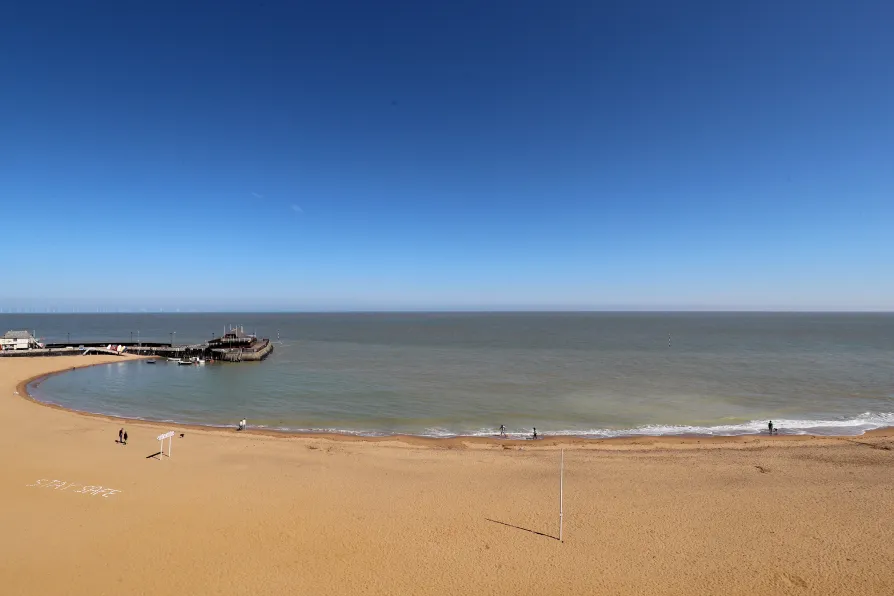
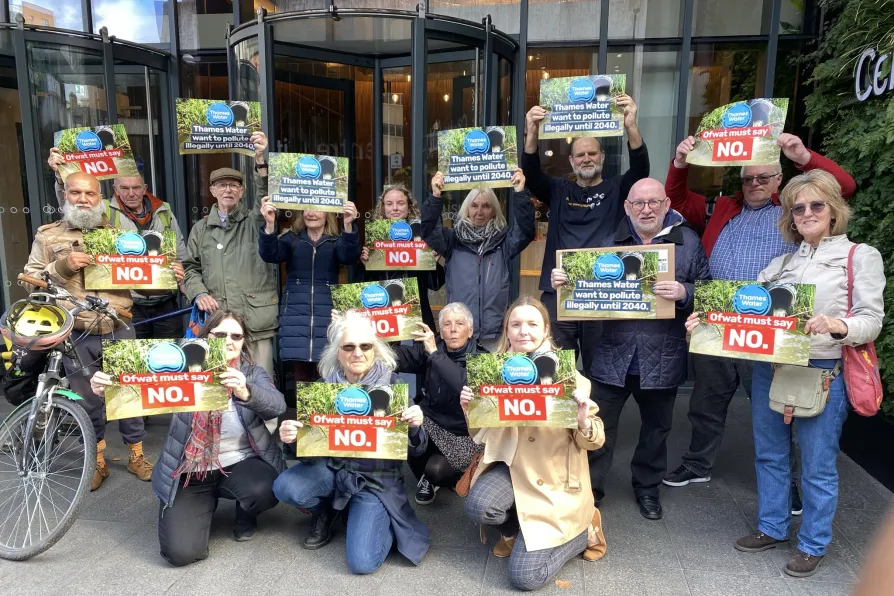
Earlier, Sophie Conquest of We Own It said that South West Water’s offences were “nothing short of horrifying,” saying: “Raw sewage on beaches popular with families, illegal sewage spilled into precious conservation areas [and] sewage dumped during the busy August bank holiday.
“South West Water has been fined time and again for its destruction of our rivers and seas and the danger it has posed to public health.
“This latest court case is yet another undeniable example that fines do not work.
“This government must squeeze South West Water until the pips come out: make them clean up their mess until they go bust, and then take them into public hands.”
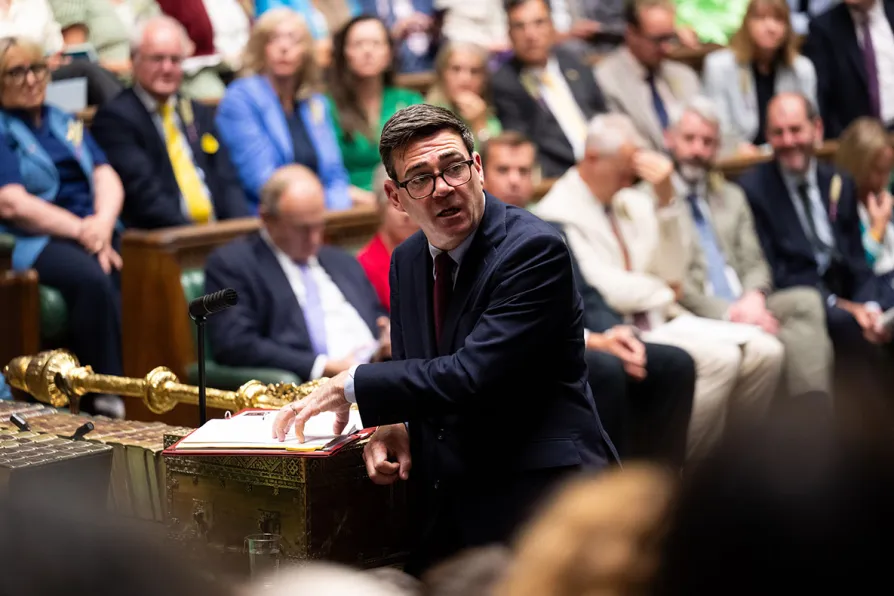
Ms Conquest said that the new Prime Minister Andy Burnham can “send a clear signal that he is standing up for ordinary people, instead of prioritising hedge funds and faraway shareholders” as he begins his premiership by taking the “crumbling” water sector into public hands.
“Regulation has unequivocally failed,” she said. “It’s time for public ownership of our water.”
South West Water has also been plagued with major supply outages in Kent and Sussex, leading to its boss David Hinton stepping down.
Last month, the company appointed John Halsall as chief executive in his place, who spent his 35-year career in leadership positions at failing private-sector companies, including Network Rail and Thames Water.