Latest editorial

 Earth from space
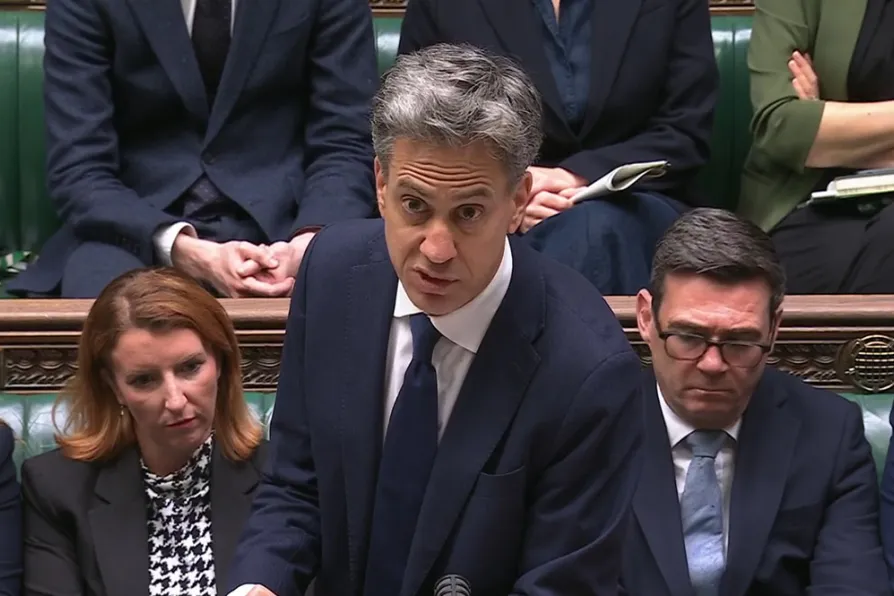





MINISTERS have been slammed after announcing another £30 million for a Shetland spaceport.
Campaigners said they wanted investment in their communities and peace after it emerged privately owned SaxaVord Spaceport on Unst will receive the cash as part of the government’s £7.8 billion commitment to the sector up to 2030.
Some £2.8bn of that sum being explicitly earmarked for Connectivity in Low Earth Orbit and Skynet defence communications programmes.
The Campaign for Nuclear Disarmament’s Dave Webb questioned the government’s apparent ability to find “endless sums” for militarism when communities across the country are in need of investment of their own.
“The people of Shetland have long been campaigning for bridges and tunnels and better ferry services to bring them together and this investment might well see them get some improvements, but governments should have been doing that anyway,” he said.
“It is also very questionable how many jobs will actually be created for locals.
“The UK and Scottish governments have bought into the prestige of this, but they’ve also bought into militarism.
“The truth is that the space industry as it stands is not viable without defence contracts, whether that about satellites or other payloads.
“Space can be used to expand science and build peace, but as things stand it supports commercial and military interests that are increasingly indistinguishable.”
Making the announcement, Business Secretary Jonathan Reynolds made clear the government’s true motivations behind the staggering financial commitment.
“As space becomes a new frontier of economic and military competition, this plan will help keep Britain secure by strengthening our ability to launch satellites, detect threats and protect the services people rely on every day,” he said.
“At the same time, this plan will enable our excellent UK industry to seize the boundless opportunities of this new age in space, creating skilled jobs, driving growth and improving connectivity for all of us.”
Underlining that military drive, Defence Secretary Wes Streeting added: “This space strategy recognises that our national security depends on our freedom of action in space and, if necessary, the ability to protect UK and allied space assets.
“As threats in orbit grow more sophisticated, so must our ability to detect and respond to them, ensuring we protect the interests of the UK and allies while fuelling economic growth along the way.”


The question is not simply how much we spend on defence, but what we understand defence and security to mean, says SIMON BRIGNELL
PM commits to blowing millions on nukes
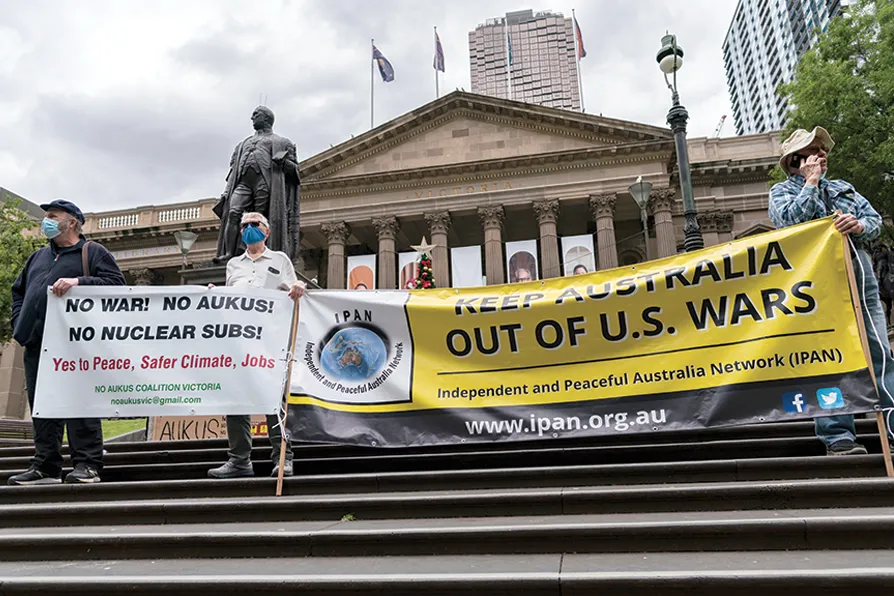
MIKE MARTIN surveys the regional opposition to US attempts to force the region into a military confrontation with China