VIJAY PRASHAD details how US support for Syrian President Ahmad al-Sharaa allowed him to break the resistance of the autonomous Syrian Democratic Forces (SDF)


 Latest editorial

Roy’s divisions
A look back at the work of Roy Jenkins in empowering the EU over its member states, before betraying Labour to found the first incarnation of the Lib Dems, tell us all we need to know about today’s pro EU ‘socialists,’ writes ROB GRIFFITHS
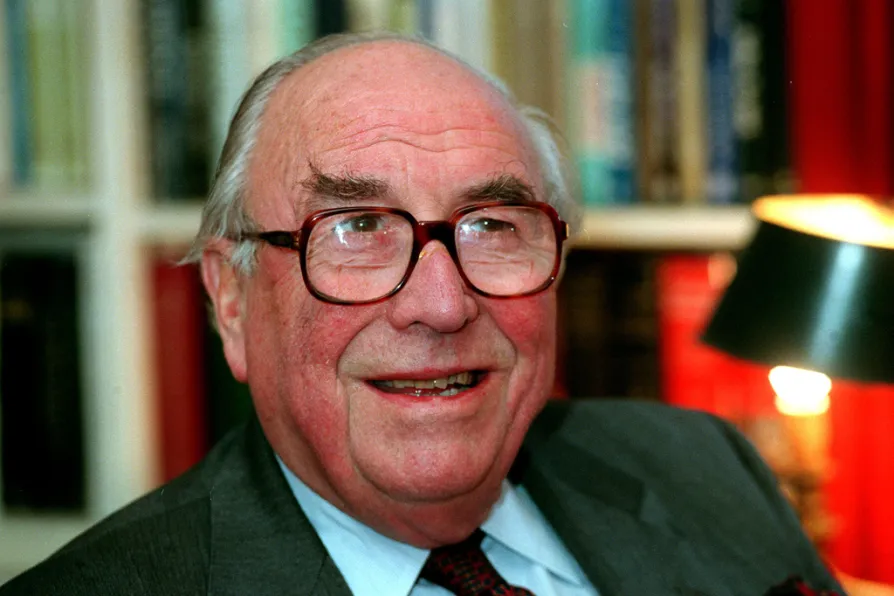 Roy Jenkins
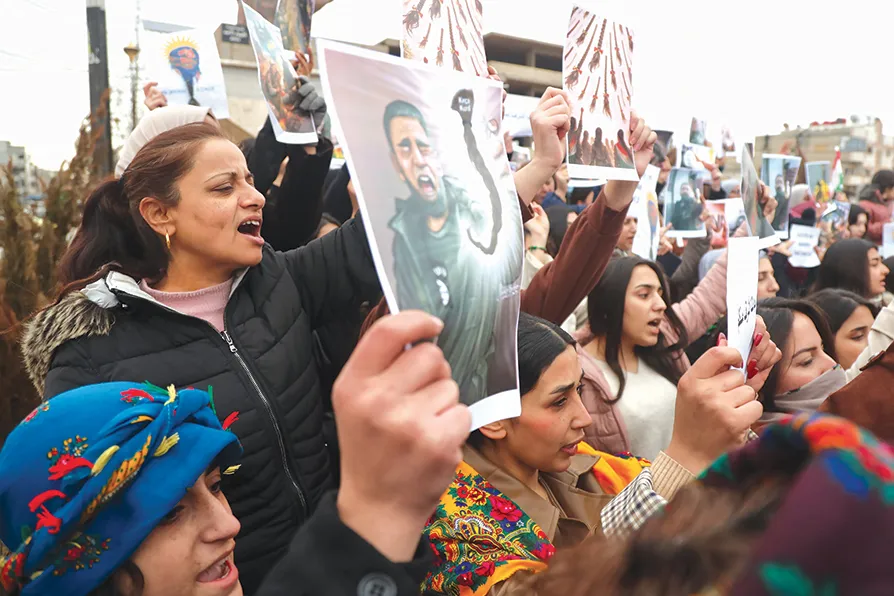
Trump’s ‘Peace Council’ is not a peace project, but a war and colonial council that renews Western colonialism, writes SEVIM DAGDELEN
The US attack on Venezuela raises grave threats to Cuba and the region, writes NATASHA HICKMAN of Cuba Solidarity Campaign
Trump’s vision of ‘might is right’ signals the collapse of the postwar order — and a warning of who may be next, warns BOB ORAM
ROGER McKENZIE pays tribute to a communist, internationalist and organiser, who endures, 50 years after his death, not just as a towering artist but as a master teacher of struggle
Communist Party of India (Marxist) general secretary MA BABY reflects on 2025, tracing how war, imperialism, shrinking democratic spaces and neoliberal restructuring shaped global and Indian politics – pointing towards the urgent task of building a more democratic and just future





ROY JENKINS had been an orthodox Labour chancellor of the Exchequer and a reforming home secretary before he took up the presidency of the European Commission in 1977.
Always on the right of the party, he had long been an enthusiast for the European Common Market and its subsequent incarnations.
By the time of his appointment in Brussels, he had lost much of the social democratic ethos that separated him from the Tories and the Liberals — and that had made him a staunch opponent of the left and socialism.
While he still believed that the welfare state played an important, civilising role in society, favoured a modest redistribution of wealth and thought mass unemployment should be avoided, he also felt that the trade unions were too powerful and that nationalisation belonged in the past.
Above all, he looked to the US — warts and all — Nato and nuclear weapons as the ultimate guarantors of liberty in the world, while also wanting a united Europe to play a bigger role in that common endeavour.
His memoir A Life at the Centre (1991) is an elegant and reasonably frank, if sometimes pretentious and petty-minded, account of his political career, based as it is on his unpublished as well as published diaries.
It lifts the veil on episodes from his time at the European Commission which need to be understood by those on the left who clearly harbour illusions about the EU as a vehicle for social progress and even socialism.
For instance, he testifies to the extent to which the EU Commission uses its considerable powers and resources to drive the process of integration towards the objective of a United States of Europe that is “free market,” capitalist and aligned with the US and Nato.
The notion that the Berlaymont bureaucracy represents an equivalent apparatus to that of the Civil Service in Whitehall is preposterous (as anyone who has read Part Six of the Treaty on the Functioning of the European Union would already know).
For all the influence that Britain’s most senior civil servants wield behind the scenes, they do not indict governments and propose legislation as well as draft it.

Similar stories

As the dollar falters and US power turns predatory, Britain and Europe must abandon transatlantic illusions and build a collectivist alternative before the system implodes, writes ALAN SIMPSON

As Starmer flies to Albania seeking deportation camps while praising Giorgia Meloni, KEVIN OVENDEN warns that without massive campaigns rejecting this new overt government xenophobia, Britain faces a soaring hard right and emboldened fascist thugs on the streets
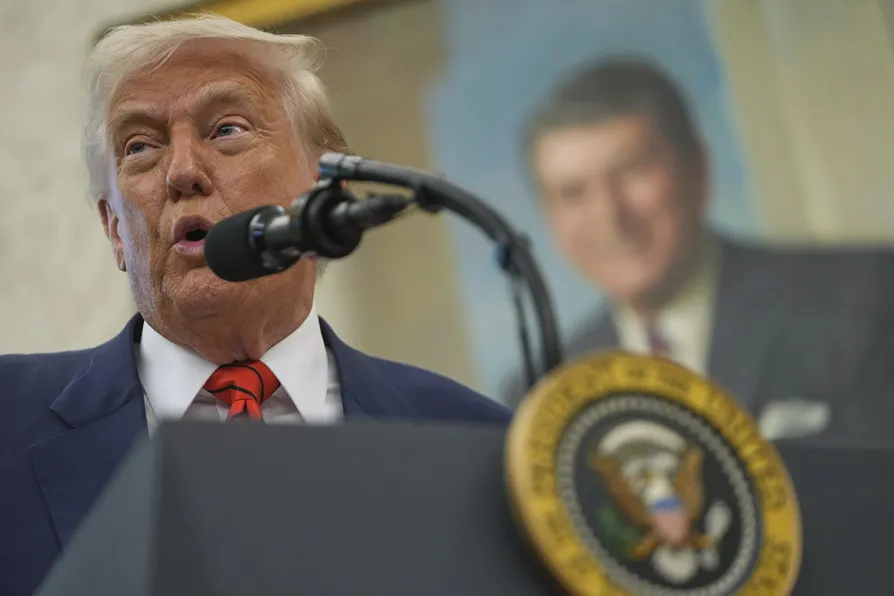
DOUG NICHOLLS argues that to promote the aspirations for peace and socialism that defeated the Nazis 80 years ago we must today detach ourselves from the United States and assert the importance of national self-determination and peaceful coexistence