

 Latest editorial
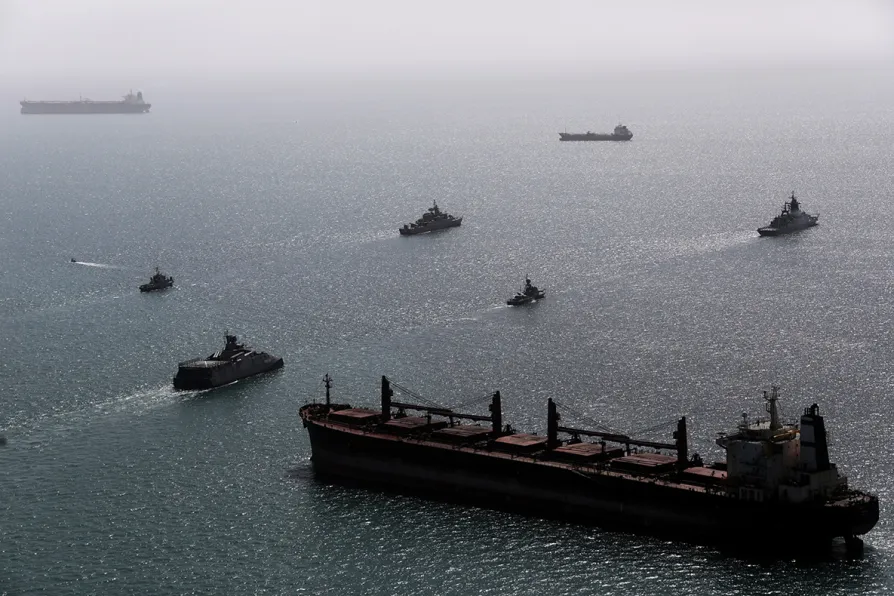 Iranian navy ships conducting operations during a join drill by Iranian and Russian forces in the Indian Ocean, February 17, 2026
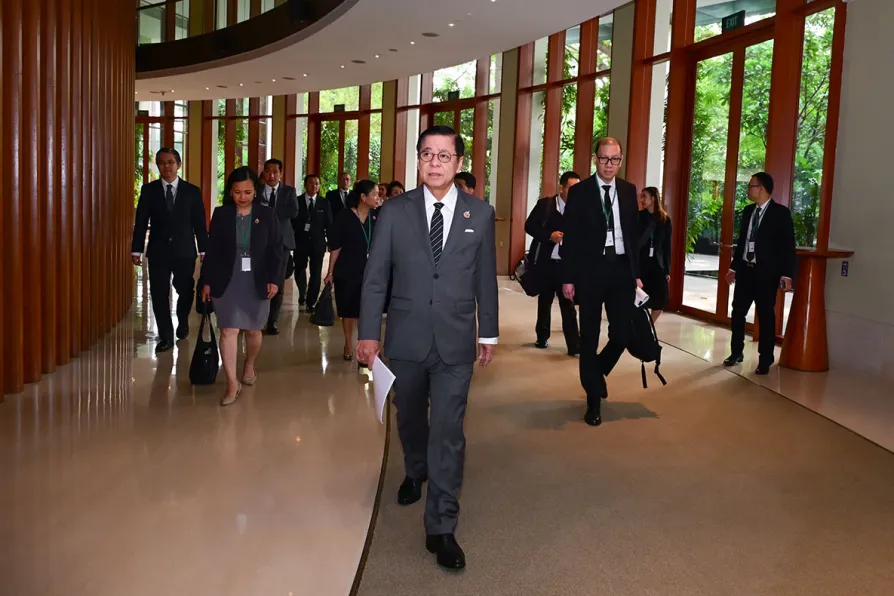





IRAN and the US walked away from hours of negotiations in Geneva over Tehran’s nuclear programme on Thursday without a deal.
The lack of a deal leaves the danger of another Middle East War on the table.
The US appears to be gearing up for a conflict as it amasses a huge armada of warships in the region.
The massive aircraft carrier USS Gerald R Ford arrived off the coast of Israel on Friday. The US has continued to evacuate non-essential personnel from its bases across the Middle East, which the Iranians say would be legitimate targets should they face a US attack.
Oman’s Foreign Minister Badr al-Busaidi, who mediated the talks in Geneva, said there had been “significant progress in the negotiation,” without elaborating.
But just before the talks ended, Iranian television reported that Tehran was determined to continue enriching uranium, rejected proposals to transfer it abroad and sought the lifting of international sanctions, indicating it was not prepared to meet US President Donald Trump’s unilateral demands.
Mr Trump wants a deal to constrain Iran’s nuclear programme while saying nothing about the open secret that Israel has the weapons and the rumours that Saudi Arabia also does.
Mr Busaidi said technical talks involving lower-level representatives would continue next week in Vienna, the home of the international atomic energy agency (IAEA). The UN’s atomic watchdog likely would be critical in any deal.
In an interview with Iranian television, Iran’s Foreign Minister, Abbas Araghchi, said the talks with the US were some of the country’s “most intense and longest rounds of negotiations.”
He said: “What needs to happen has been clearly spelled out from our side.”
The White House did not immediately respond to a request for comment, but Mr Trump has often made it clear that he wants a complete halt to uranium enrichment by the Iranians, a reduction of its long-range missile programme and for Tehran to end its support for regional armed groups.
Iran insists it will only discuss the nuclear issue and has made it clear that its atomic programme is for entirely peaceful purposes. Tehran has long issued a religious edict against possessing nuclear weapons.
Iran has said it hasn’t enriched uranium since June, but it has blocked IAEA inspectors from visiting the sites bombed by the US.
After Mr Trump unilaterally scrapped the 2015 nuclear agreement, Iran ramped up its enrichment of uranium to 60 per cent purity — a short, technical step away from weapons-grade levels of 90 per cent.
