

 Latest editorial
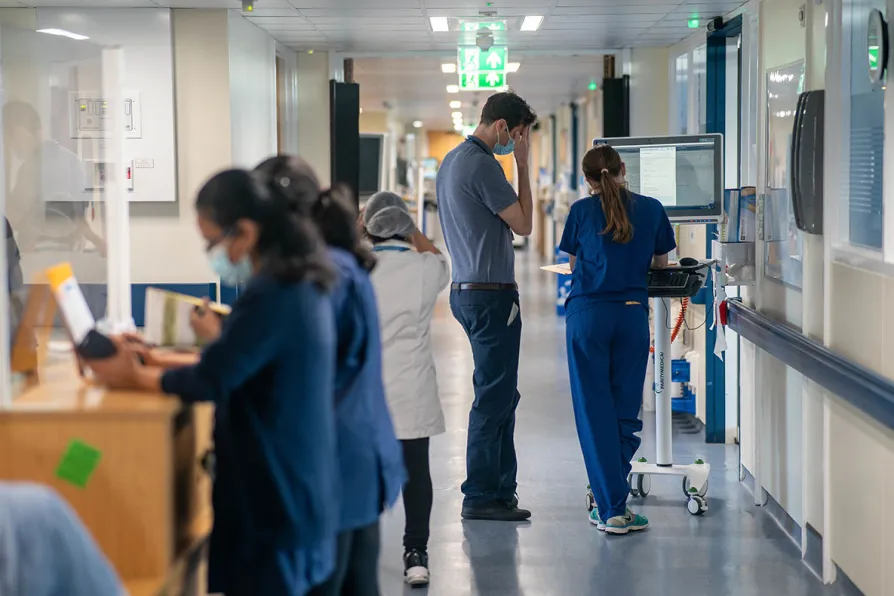 A general view of staff on a NHS hospital ward at Ealing Hospital in London





MPs branded the government’s plans to cut the international workforce within NHS England overambitious after a report found the health service saved £14 billion thanks to overseas recruitment.
The all-party parliamentary group (APPG) on global health and security said that many of the countries where recruitment took place were also struggling with their own health worker shortages.
Their inquiry into the costs and benefits from overseas recruitment of doctors, nurses and midwives concluded that Britain has a moral duty to offer support to these countries, rather than only extracting workers.
Considering the current scale of NHS reliance on international workers, current government plans to reduce international recruitment to about 10 per cent of overall hiring by 2035 is overambitious, it said.
Former development minister and inquiry chair Andrew Mitchell said: “The NHS has not operated at that level for decades.
“We must grow our own workforce. But in a shrinking world, pretending health workforces are purely national assets is no longer credible.
“If we benefit from health workers trained overseas, we also have a duty to help strengthen the systems they come from.”
About 36 per cent of doctors working in the health service and 24 per cent of nurses and midwives have been trained in other countries.
The number of visas granted for healthcare professionals have declined over recent years but the APPG still said that international workers were essential “for the foreseeable future.”
At the inquiry, representatives from Kenya and Uganda gave evidence that their countries were losing significant numbers of doctors, nurses and clinical educators, warning this would have dire effects on the next generations of health workers.
A global shortage of 11 million health workers has been projected by the World Health Organisation by 2023.
Today, health workers are already dispersed between rich and poor countries unequally. About a quarter of of the world’s doctors, nurses and midwives are based in 10 high-income countries.
The inquiry recommended the current system be replaced by a fairer one, which would offset the negative effects of international recruitment on largely global South countries by proportionate investment in strengthening their workforce and health systems.
APPG chair Dr Beccy Cooper said: “International health workers are part of the NHS’s DNA. In a world where diseases don’t stop at borders, their global expertise strengthens our health system.”
Unison head of health Helga Pile told the Morning Star that Britain’s “health and care services would collapse without the skilled workers who’ve come from overseas. Many of them do critical jobs for low pay and deserve far better.
“Health and care workers have vital roles communities can’t live without. The pandemic taught us that.
“Rebuilding the NHS requires more staff and the UK must ensure they are recruited ethically and treated properly.
“The country relies on the expertise and experience of workers from overseas and ministers must think again about trebling the settlement period for migrant health and care staff.”
