

Investigation reveals NHS maternity services are failing women and babies
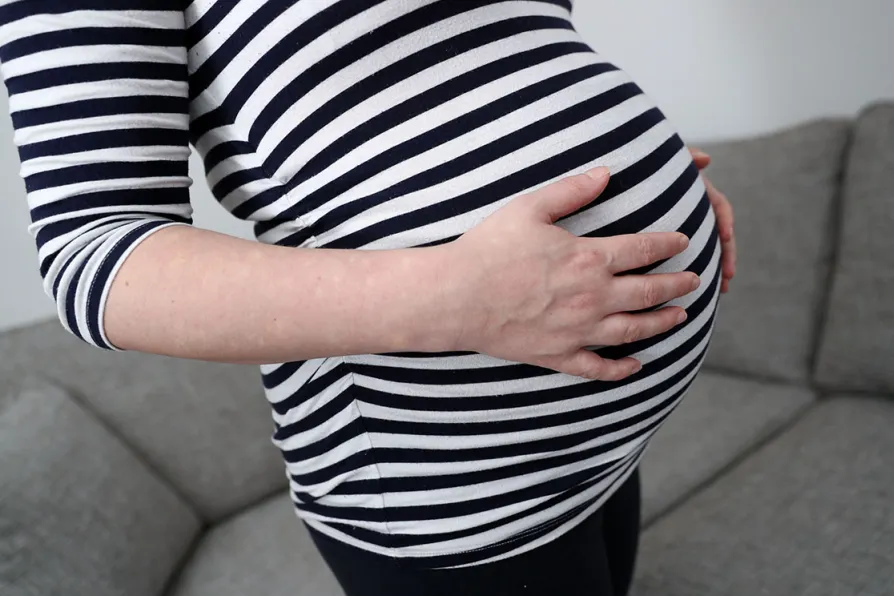
 A pregnant woman holding her stomach






NHS maternity services are failing women and babies through a reluctance to admit mistakes, racism and poor staff relationships, a government-ordered investigation revealed yesterday.
An interim report published by Baroness Amos, leading the National Maternity and Neonatal Investigation, found deep-rooted issues across the NHS and a system that “is not working for women, babies and families, or for staff.”
She said that “time and time again” families and staff see the same issues repeated and numerous reviews making recommendations.
The report cited shortages of staff, capacity issues, culture and leadership, racism and discrimination, lack of accountability, and the poor condition of NHS hospitals and buildings as key factors.
It highlighted “persistent inequalities,” with women from black and Asian backgrounds and those in deprived areas experiencing “notably higher risk of adverse outcomes.”
“Babies of black ethnicity are more than twice as likely to be stillborn,” the report said, with higher neonatal mortality rates for black and Asian babies compared with white babies.
Investigators heard accounts of racist stereotypes, including Asian women being labelled “princesses,” with the implication that they are overly demanding or unable to cope with pain, and black women having “tough skin” and being able to tolerate pain.
Muslim families described feeling discriminated against and feeling unable to raise concerns for fear of poorer treatment.
Staff described instances where colleagues’ conduct fell markedly short of norms, “including verbal aggression… and sometimes bullying and racist behaviour.”
Ms Amos said families described being disregarded, encountering a “lack of kindness and compassion” and facing defensiveness when errors occurred.
Some reported a “cover-up,” resistance when requesting medical notes and instances of records being amended.
Poor bereavement care and long waits for assessment were also detailed, alongside frequent staff redeployment to plug gaps.
The investigation also found a “postcode lottery” of care.
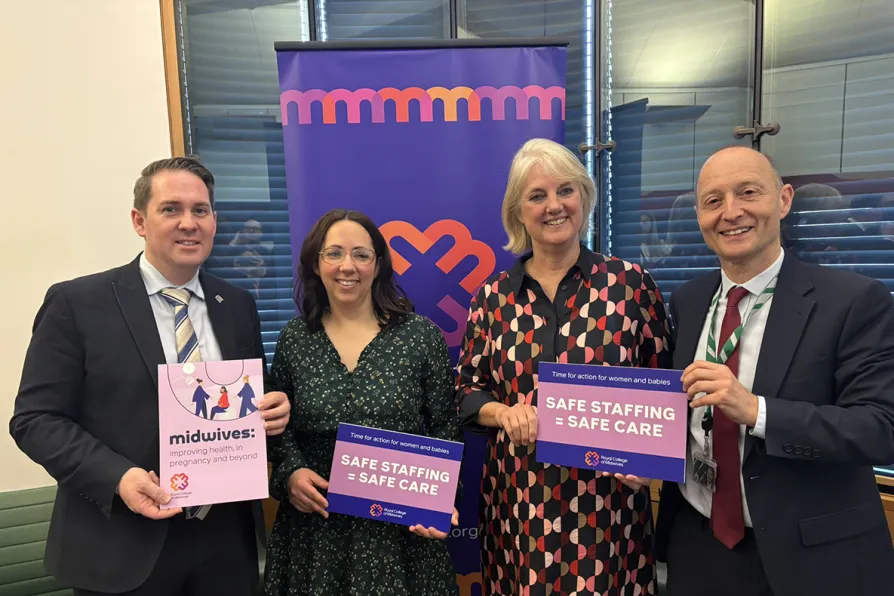
Royal College of Midwives chief executive Gill Walton said the report is “deeply harrowing to read,” adding that families who suffered harm are owed assurance that “this time, findings are acted upon urgently.”
“For years the RCM has argued that staffing and funding are not keeping pace with the growing complexity of maternity care and these findings reinforce that,” she said.
“Without ring-fenced investment in the workforce and infrastructure midwives will not be able to deliver the safe care women and babies deserve.”
Ms Walton said the union was also “deeply troubled” by the findings on racism and discrimination, saying: “This is not a secondary issue — tackling racism and discrimination is fundamental to improving outcomes for all women.
“Midwives want to deliver safe, compassionate and personalised care to every woman and her baby.”
Richard Kayser, a medical negligence lawyer at Irwin Mitchell which represents hundreds of families affected by maternity care failings, said: “Over the past two decades we’ve seen several high-profile investigations and reports.
“The nation’s maternity services are now at a crossroads in terms of whether the same issues continue to be highlighted or whether decisive action is actually taken to improve care for families in future.”
Black Activists Rising Against Cuts’ Zita Holbourne said: “Racism exists across sectors including in health. The experience of black and brown women in maternity care is a reflection of wider societal stereotypes and perceptions.
“During pregnancy and childbirth all women need high levels of care and understanding and crucially a stress free environment to bring their babies into the world.
“Given the NHS was built on migrant labour and is made of of health professionals of multi ethnicities, cultures and religions should be the perfect landscape for cultural awareness and inclusivity but the experience of black, brown and Muslim women in maternity care , demonstrates just how systemic and institutional racism works, permeating systems, processes and policies.
“Thus is supposed to be a joyous, celebratory time, not one of worry and fear and more crucially the wellbeing of both mother and child is paramount and that means race equality, cultural awareness and humanity must be a central part of all stages maternity care.”
Health Secretary Wes Streeting commissioned the inquiry last August after a series of maternity scandals and soaring negligence costs.
He said: “Baroness Amos’s report lays bare the systematic, sustained and recurring failures in maternity and neonatal care across the country, which have left too many mothers, babies and families as victims of avoidable NHS tragedies.”
The final recommendations will be published in the spring.

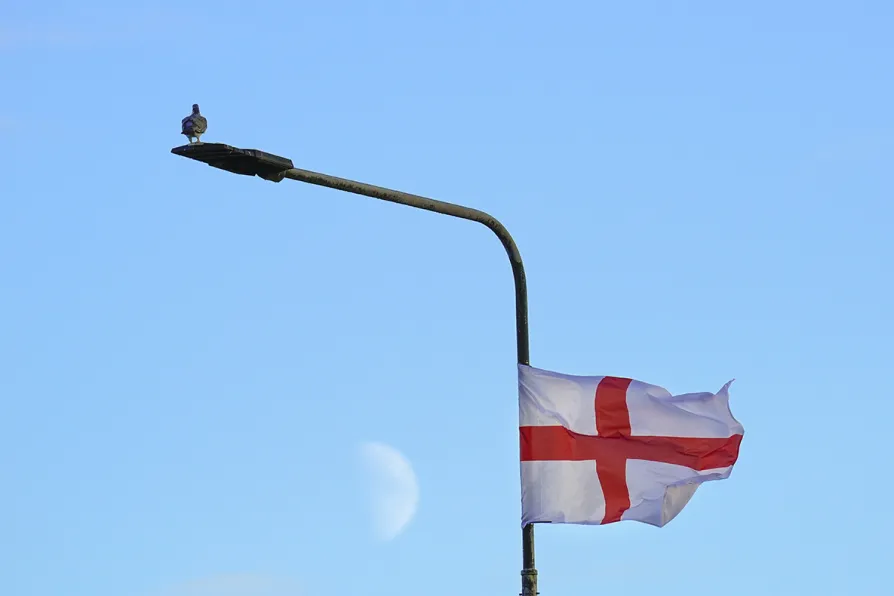
Health leaders caution that flags put up by far-right activists are creating 'no-go zones' for NHS staff