
The new Prime Minister must abandon decades of automatic support for US foreign policy, which makes us all less safe, argues DIANE ABBOTT MP


A man of mettle
The fourth extract from PHIL KATZ's book looks at Tom Mann's role in the Merseyside transport strike of 1911
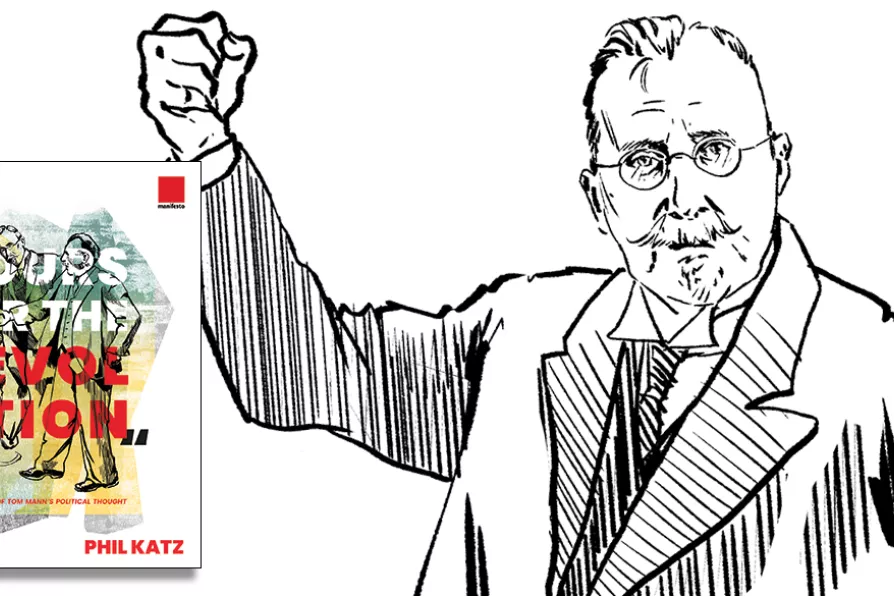
 Tom Mann, illustration: CORATA GROUP
Media Lens at 25: David Cromwell and David Edwards reflect on a quarter-century of media criticism, explaining why independent journalism is more important than ever
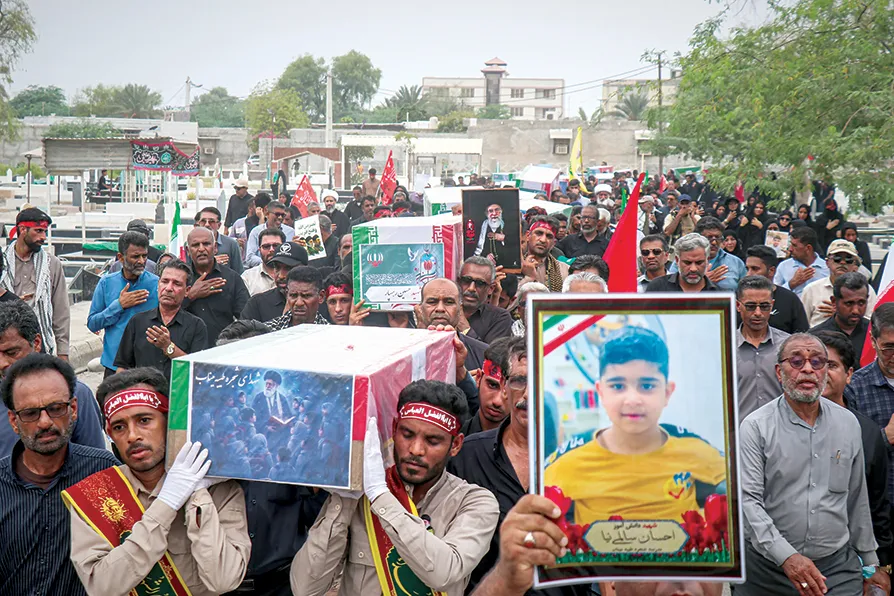
by Weyman Bennett and Maz’s family
The International Court of Justice has delivered its clearest ruling yet that the right to strike is protected under international law, write Professor TONIA NOVITZ, Professor KEITH EWING and Lord JOHN HENDY KC
Emergency phone alerts could help Britain respond to rising wildfire risk, but Australia’s experience suggests they work best as part of a broader strategy, write ELLIOT CONVERY-FISHER and KATE PARKINS
A champion motorcyclist, trade union organiser and communist, Clem Beckett went from Britain’s speedway tracks to the battlefields of Spain, where he gave his life resisting Franco’s forces at Jarama. GEOFF BOTTOMS pays tribute to this remarkable anti-fascist





THE period between 1906 and World War I (WWI) was increasingly volatile as new groups of workers asserted themselves as trade unionists. The “Great Unrest” also coincided with a constitutional crisis in 1910, agitation for home rule in Ireland, and the emergence of a suffragette movement.
Between June and August 1911, Tom Mann was involved in strikes that developed into a movement in north-west England. On June 9, a national seamen’s strike sparked The 1911 Liverpool Transport Workers’ strike. Mann chaired its central strike committee.
The strike lasted for 72 days, during which the press referred to him as the “Dictator of Merseyside,” as if it was he who had dispatched troops and a gunboat to quell citizens lawfully conducting their rights. Though indeed, not even the Royal Mail delivered unless the central strike committee, led by Mann, gave its authorisation.

Similar stories
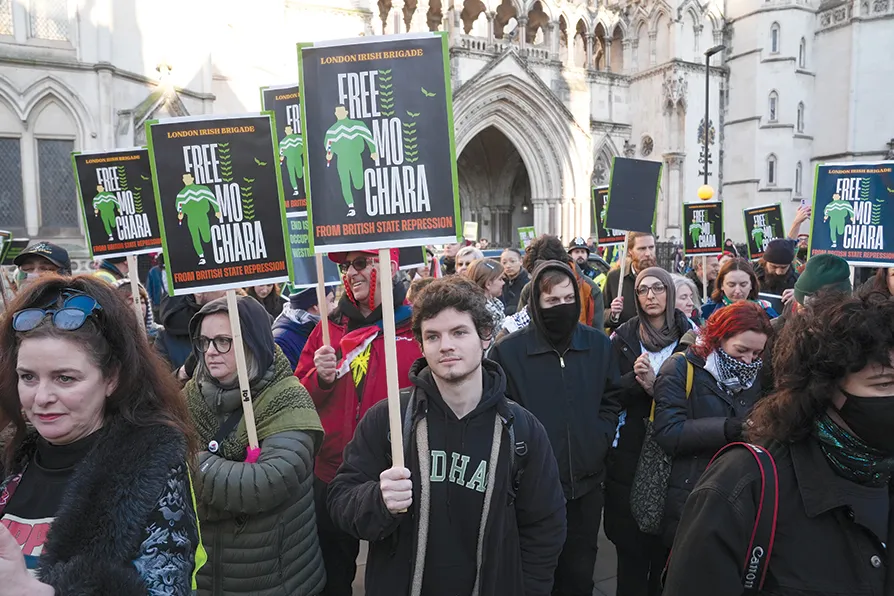
AARON SMITH discusses why the Protestant diaspora are still part of Yeats’s ‘Indomitable Irishry’, and an integral part of any future united Ireland.

In part IV of a serialisation of his new book, JOHN McINALLY tells how austerity minister Francis Maude’s attempt to destroy the PCS Civil Service union totally backfired
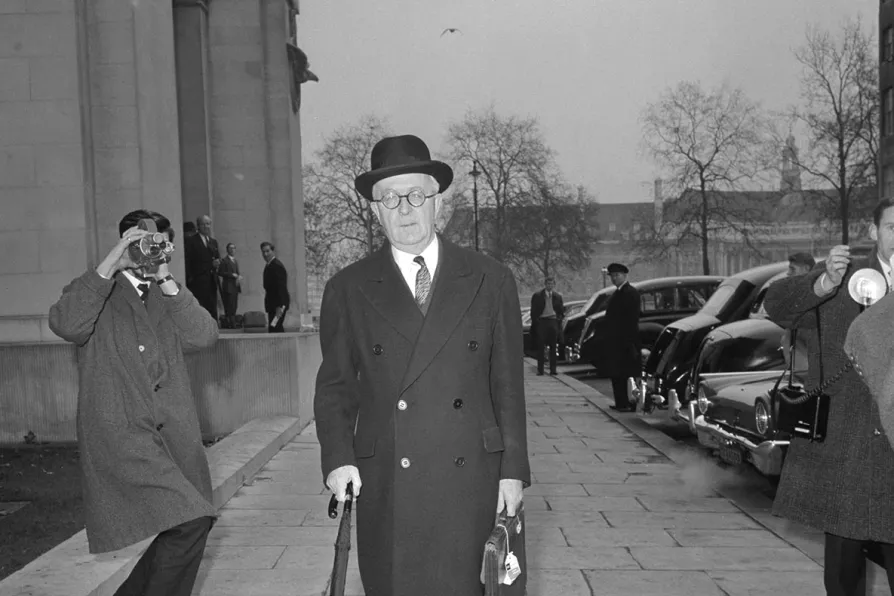
In part II of a serialisation of his new book, JOHN McINALLY explores how witch-hunting drives took hold in the Civil Service as the cold war emerged in the wake of WWII
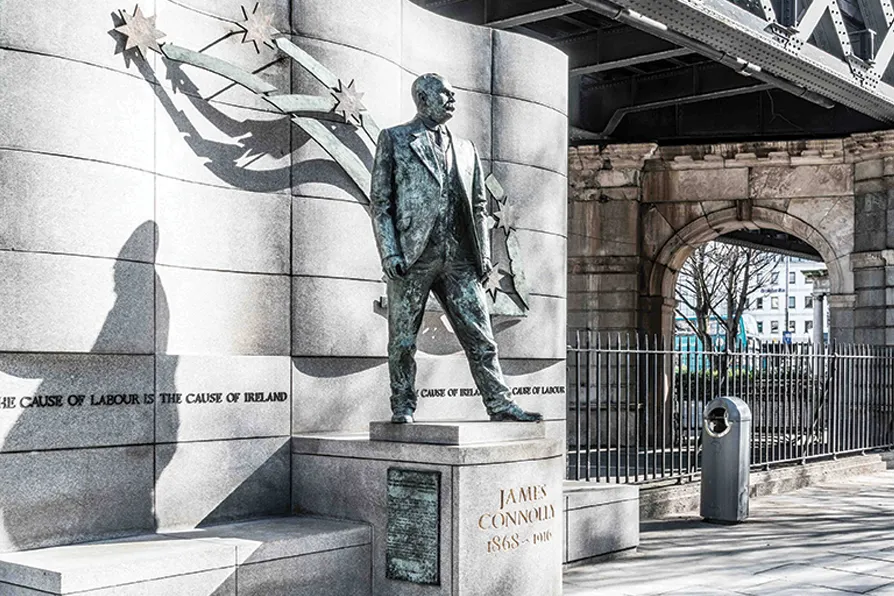
A new group within the NEU is preparing the labour movement for a conversation on Irish unity by arguing that true liberation must be rooted in working-class solidarity and anti-sectarianism, writes ROBERT POOLE