

 Latest editorial

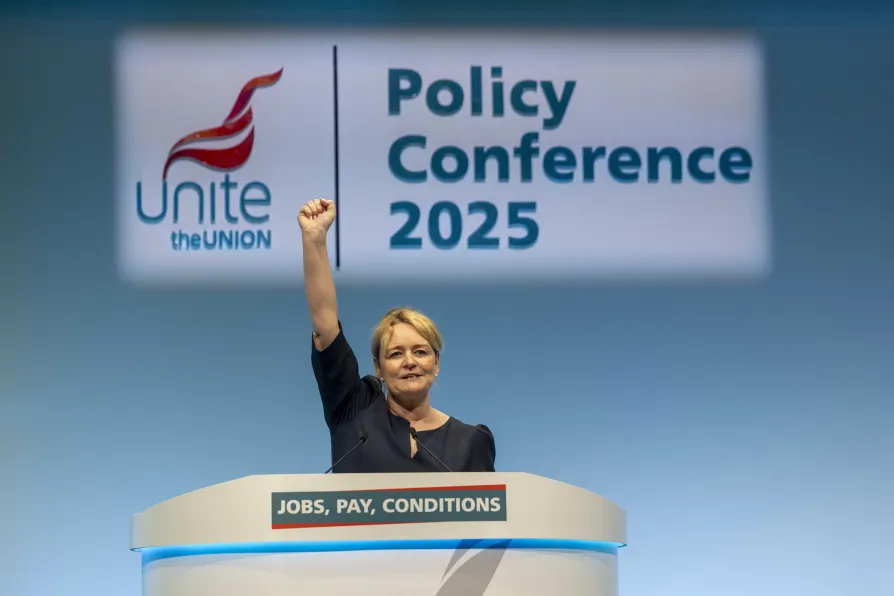 Sharon Graham at the Unite policy conference 2025






BRITAIN’S new employment rights watchdog risks becoming another toothless regulator after ministers asked the Fair Work Agency (FWA) to reduce regulatory burdens on businesses, unions and legal experts have warned.
The inspectorate’s incoming chair Matthew Taylor included “thought leadership” and “reducing regulatory burdens” among the five priorities the Department of Business and Trade (DBT) had laid out for it in its first year.
Unite general secretary Sharon Graham said that the priorities showed the agency, one of the cornerstones of the Employment Rights Act, was “in danger of being a dead duck before it even begins.”
She said: “For too long, workers have borne the brunt of disreputable employers who have had carte blanche.
“The government needs to urgently ensure that the FWA focuses its attention on bringing rogue bosses to heel rather than seeking ways to allow dodgy companies to continue bad behaviour.”
A report by the Institute for Employment Rights (IER) pointed out a failure to ring-fence resources around the FWA’s expanded remit.
It urged the government to introduce a robust inspection regime without advance warning to employers and establish a “credible” threat of prosecution for non-compliance, with trade unions playing a key part and having the ability to bring cases to court.
Report co-author, University of Glasgow professor of Labour Law Ruth Dukes said: “Labour’s New Deal for Working People was clear in saying that any labour protections are only worth the paper they are written on if they are enforced.
“It’s high time that proper efforts were made by the government to strengthen enforcement and ensure that workers’ rights are complied with.”
Fellow author, professor of socio-legal studies at Queen Mary University of London, David Whyte, said: “The history of workplace regulation in this country is one of weak enforcement, chronic underfunding and deference to big business.
“The FWA must be given the powers and resources it needs, or it risks becoming just another toothless regulator.”
A government spokesperson said: “The new FWA will end the current fragmented system of enforcing employment rights, making it easier for workers and victims of exploitation to get the rights they’re entitled to.
“The agency will take tough action against businesses that deliberately flout the law while supporting employers who want to do the right thing and strengthen workers’ rights.”
