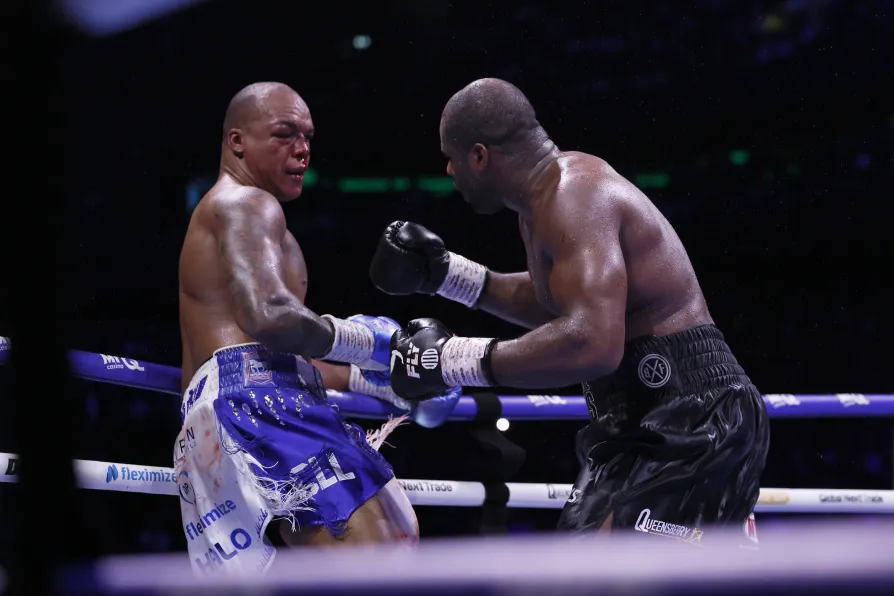
From Frazier in Manila to Wardley in Manchester, the decision to stop a fight remains boxing’s greatest moral test, writes JOHN WIGHT


 Latest editorial

Iran media blames 6-2 defeat on protests and psychological warfare
 Teams line up prior the World Cup group B soccer match between England and Iran at the Khalifa International Stadium in Doha, Qatar, Monday, Nov. 21, 2022.





THE Iranian media have sought to blame Monday’s 6-2 World Cup loss to a rampant England side on the unrest that has gripped the Islamic Republic since the death of 22-year-old Mahsa Amini in the custody of the country’s so-called morality police in September.
Iranian newspapers accused foreign enemies of stirring up protests to throw the national team off its game.
“Iran – 2: England, Israel, Saudi and traitors – 6,” read the headline in daily Kayhan. The newspaper, whose editor-in-chief is appointed by Supreme Leader Ayatollah Ali Khamenei, said Iran’s rout came after “weeks of unfair and unprecedented psychological warfare against the team ... from domestic and foreign-based traitors.” It added that a “political media current” has sought to “damage the spirit of Iran’s team by attacking them.”

Similar stories
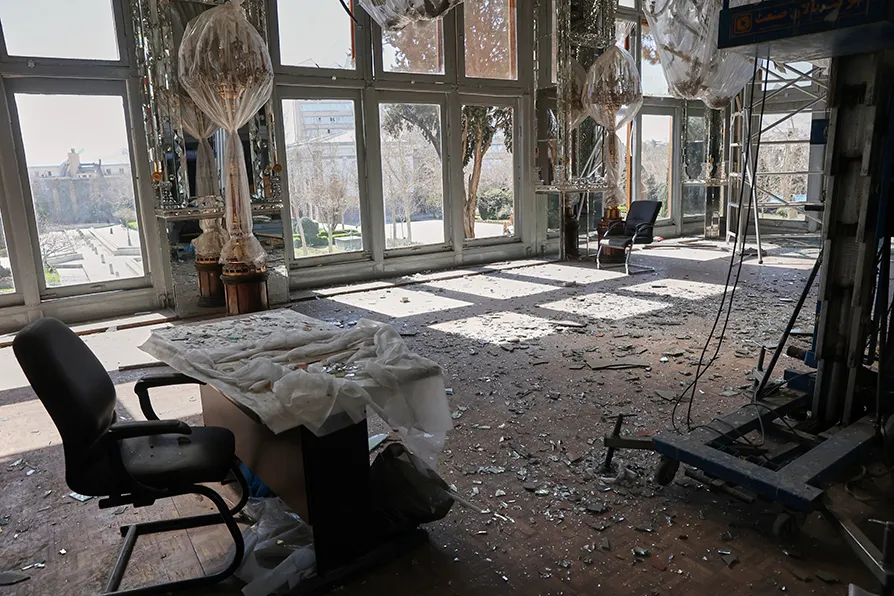
KATAYOUN SHAHANDEH surveys Iran’s cultural heritage and explains what has been damaged and what could be lost
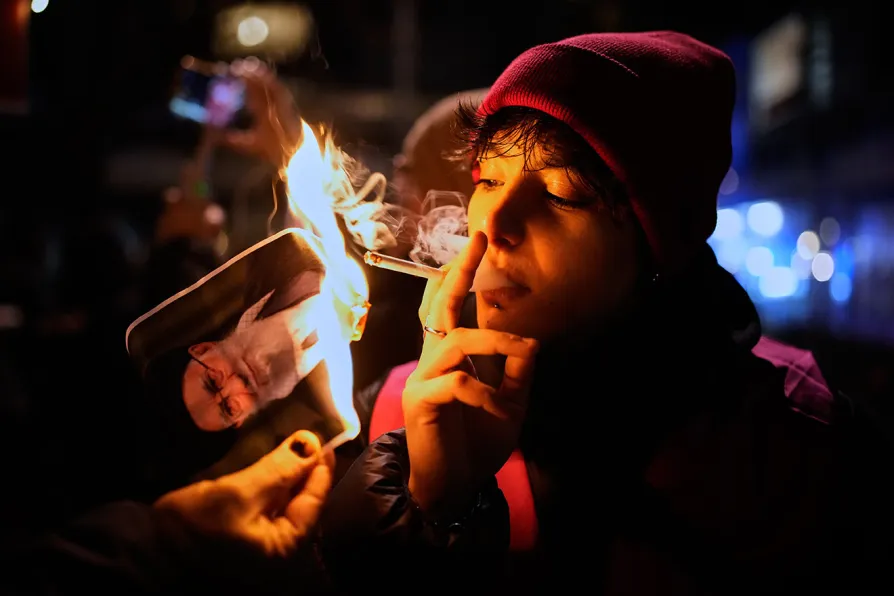
MOHAMMAD OMIDVAR, a senior figure in the Tudeh Party of Iran, tells the Morning Star that mass protests are rooted in poverty, corruption and neoliberal rule and warns against monarchist revival and US-engineered regime change
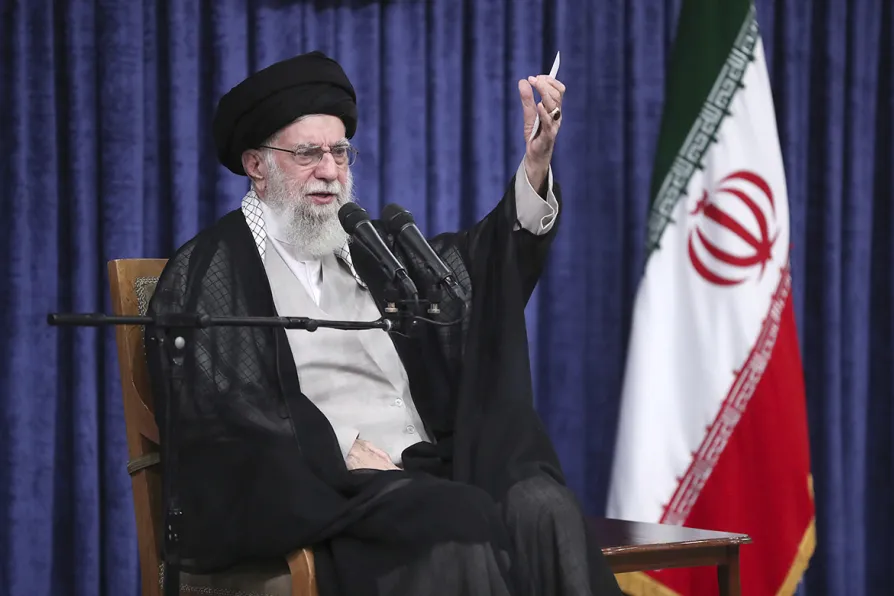
The Islamic Republic is attempting to deflect from its own failures with a scapegoating campaign against vulnerable and impoverished migrants, writes JAMSHID AHMADI
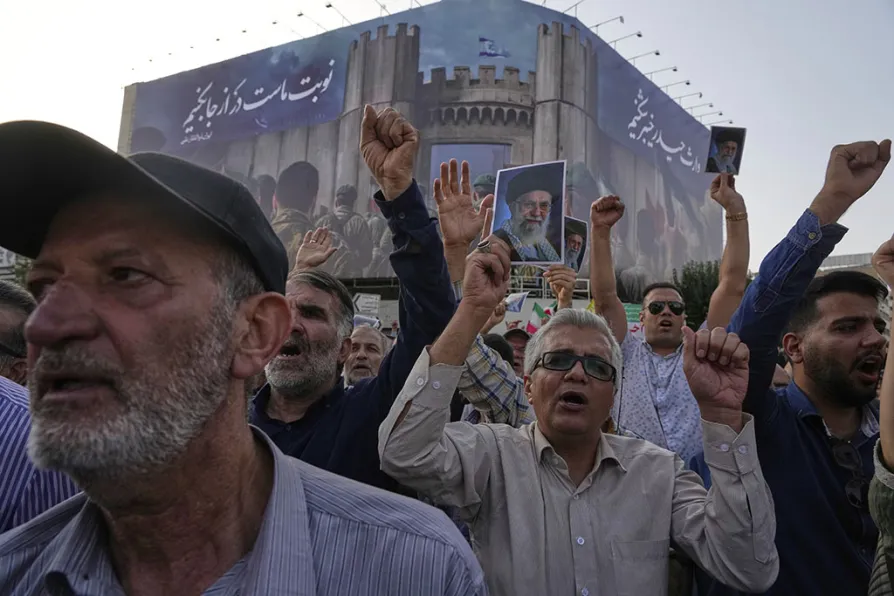
In the second of two articles, STEVE BISHOP looks at how the 1979 revolution’s aims are obfuscated to create a picture where the monarchists are the opposition to the theocracy, not the burgeoning workers’ and women’s movement on the streets of Iran