
PETER MASON applauds the revival, 39 years later with the same team and cast, of Manfred Karge’s version of Brecht’s 100-year-old play, Mann Ist Mann

How to rehearse the revolution
ANA ISABEL NUNES points to the empowering legacy of Augusto Boal’s Theatre Of The Oppressed
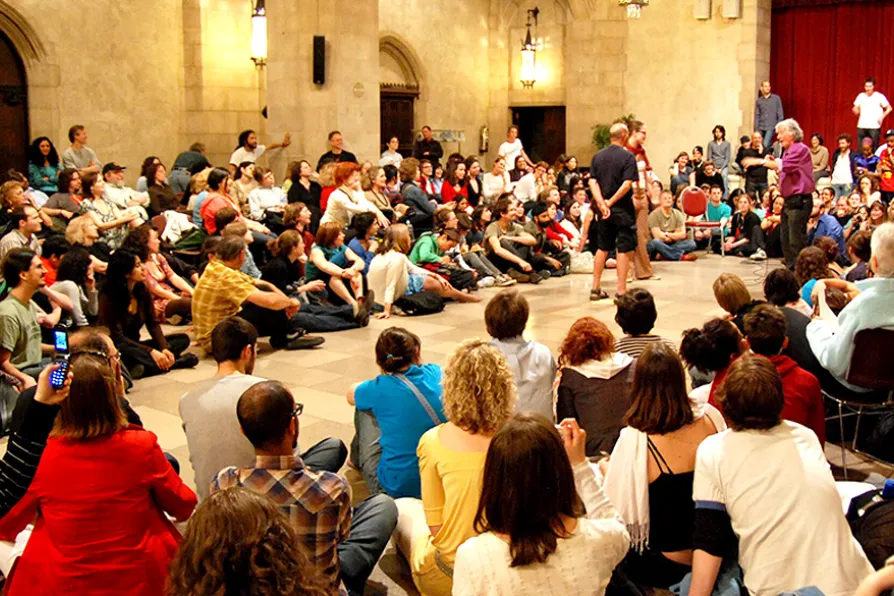
 REHEARSING THE REVOLUTION: Brazilian theater director and writer Augusto Boal presenting his Theatre of the Oppressed at Riverside Church in New York City, 2008
[Thehero/CC]
REHEARSING THE REVOLUTION: Brazilian theater director and writer Augusto Boal presenting his Theatre of the Oppressed at Riverside Church in New York City, 2008
[Thehero/CC]

New releases from Biita Houdei, The Mary Wallopers, and The Tubs
New releases from Biita Houdei, The Mary Wallopers, and The Tubs
MAYER WAKEFIELD applauds a fearless attempt to bring to the stage the 1984 toxic gas disaster in Bhopal, India
ALEX HALL applauds the account of a dogged, traumatic and punishing campaign for justice that has lasted from 1998 to the present day
NICK WRIGHT laments the political bias of an epic attempt to tell the history of the liberation of France from the Nazis, that excludes both the decisive contribution of the Soviet Red Army, and of the French communist party itself





WHAT IF every citizen could have a say in how the issues that affect their lives and communities were dealt with? Or could input into policy and even law-making? Legislative theatre is a form of community-based theatre that gives participants an opportunity to actively explore, analyse and transform their lives through drama and roleplay.
Legislative theatre brings together citizens and policy-makers in a creative constructive dialogue about issues and policies that affect local communities. The idea is to engage citizens in identifying solutions to social and political problems, and then help translate them into new laws.

Similar stories
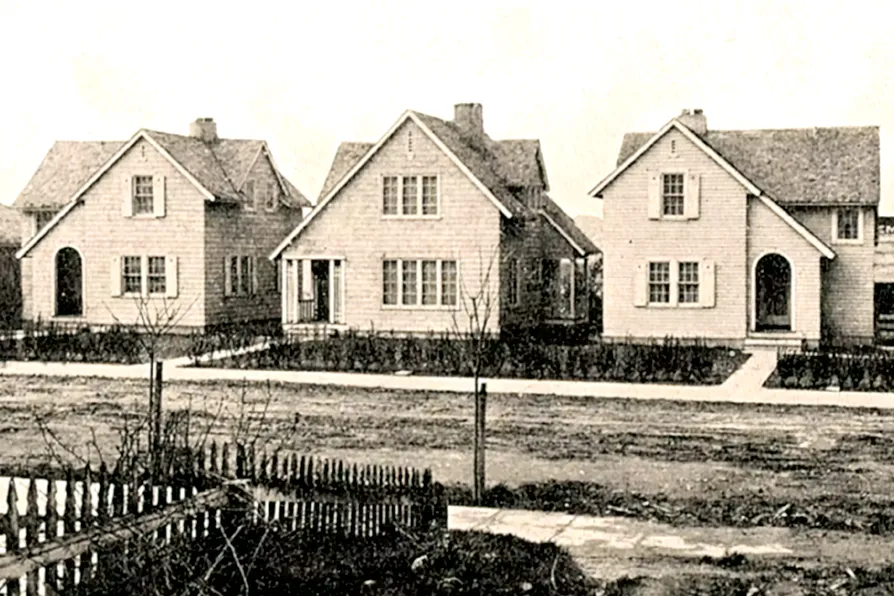
Believe it or not, there was a time when the US government built beautiful homes for working‑class Americans to deal with a housing shortage, writes ERAN BEN-JOSEPH
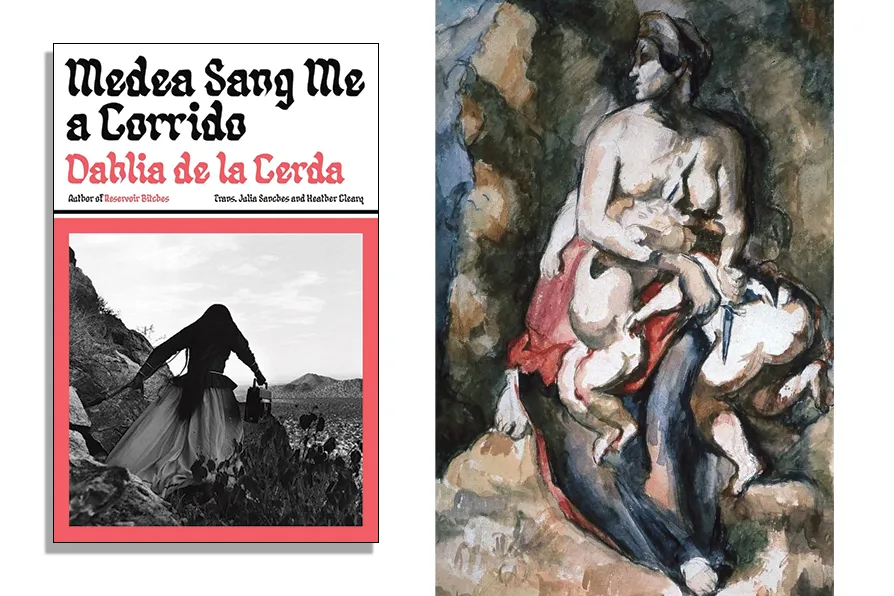
In a season of Greek mythology NIAMH THORNTON looks at an intriguing relocation of Medea to contemporary Mexico

STEPHANIE BROWN draws attention to the hidden labour of the female embroiderers, and how a 19th century replica made no such error

Reaching co-operation is supposed to be the beginning, not the end, of global climate governance, argues LISA VANHALA