Preferable to Starmer he may be, but there is scant sign of a sharp political break in Burnham’s policies so far — while left challenges aren’t making much of a running either, finds ANDREW MURRAY. How can socialism be put back on the map?


 Latest editorial

‘Fear explains it, fear of the Latin American revolution’
Cuba, despite the privations, remains a beacon of sovereignty and resistance to imperialism, writes BERNARD REGAN
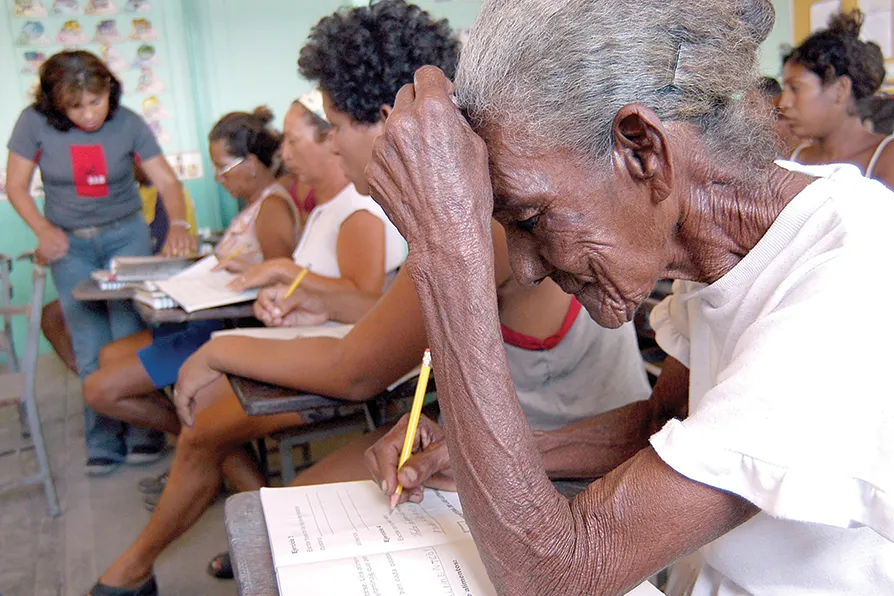 AWAKENING: Carmen Vasquez, aged 85, learns to read and write with the Robinson Mission campaign that uses the Cuban-designed literacy method ‘Yo, Sí Puedo. Anzoategui State, Venezuela / Pic: Franklin Reyes/Juventud Rebelde/CC
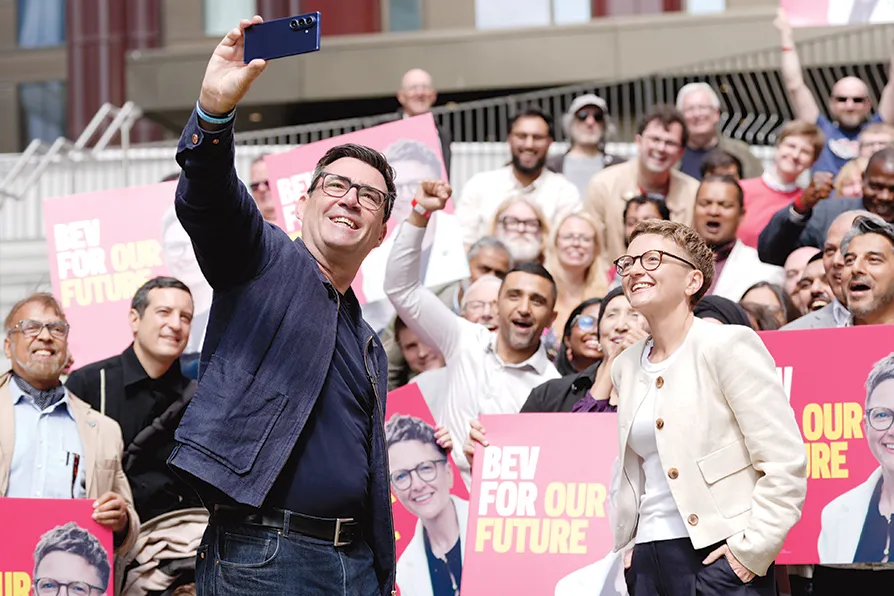
CHARLEY ALLAN reports from Clacton on Farage’s fears his by-election stunt has backfired
JEREMY CORBYN says we should never forget the horrific reality of nuclear weapons, or cease our efforts to rid the planet of them entirely
The new TUC Cymru general secretary speaks to Morning Star Wales reporter David Nicholson about her trade union background and ambitions for the movement
Internationalism is deeply embedded in socialist theory and practice. Examination illuminates its complexity asserts the Marx Memorial Library and Workers’ School
The Claudia Sheinbaum government is no pushover and is holding firm despite US abuses of the relationship, says DAVID RABY
As we approach the grim anniversaries of Hiroshima and Nagasaki, SIMON BARROW sounds the alarm over the dangerous and murderous direction our government is heading





SPEAKING at a mass rally in Havana’s Revolution Square on January 3 2026, Abel Prieto, head of the Casa de las Americas, declared: “Cuba y Venezuela, una sola bandera” — “Cuba and Venezuela: one flag.” Cuba sees the aggression against Venezuela as an act of aggression against Cuba itself.
In the course of the violent kidnapping of the Venezuelan President Nicolas Maduro Moros over 110 people were murdered by the US special forces. Thirty-two of those killed were Cuban soldiers there at the request of the Venezuelan president to complement his personal protection staff.
These actions must also take into account the extrajudicial killings of 110 people on the seas off the coast of Venezuela without any proof that they were conducting any kind of criminal activity.
Paying tribute to the Cubans who died in Venezuela, the Cuban government stated: “For that sister nation and its people, we are prepared to give, as we would for Cuba, even our own blood.”
Cuba’s resolve in confronting the most powerful empire the world has known echoes its long-standing internationalism — from defeating South African apartheid forces at Cuito Cuanavale in Angola to opposing today’s genocidal war against the Palestinian people by Benjamin Netanyahu’s regime.
For 66 years Cuba has endured the most comprehensive blockade imposed on any country. Designated by Washington as a “state sponsor of terrorism,” Cuba is excluded from international financial systems such as Swift, used by more than 11,000 companies in over 200 countries.
Goods containing more than 10 per cent US-made components are banned from sale to Cuba, while ships that dock in Cuban ports can be barred from US ports for six months. The result is the deliberate deprivation of essential goods, including life-saving medicines such as cancer treatments.
The UN general assembly has condemned the blockade more than 33 times. Although the British government has voted against it, this remains a gesture without substance.
When questioned on attacks on Venezuelan sovereignty or threats to Cuba, Keir Starmer has been evasive, while Defence Secretary John Healey refused to answer whether Britain would oppose an attack on Cuba when questioned in Parliament by Apsana Begum MP.
This Labour government continues to tail the US, hoping for crumbs from the imperial table. Maybe Donald Trump will provide a piece of Greenland ice to this feckless government.
Cuba now faces an intensified threat from the US government. Trump, Marco Rubio and their epigones regularly issue open threats against the island.
Cuba is targeted not because it possesses vast natural resources — like the oil, gold and rare earth minerals of Venezuela and other Latin American countries — but because its steadfast assertion of the right to choose its own political and economic path presents a dangerous example.
That example threatens not only US dominance in Latin America, but also inspires countries worldwide seeking to break free from imperialism. Washington, the Pentagon and Wall Street see Cuba’s defence of its sovereignty and self-determination as a direct challenge — but this is not the whole story.
As Fidel Castro explained in the 2nd Declaration of Havana on February 4 1962, describing the US attitude toward Cuba: “What unites and drives them is fear. Fear explains it. Not fear of the Cuban Revolution; fear of the Latin American revolution.”
President Trump’s actions against Venezuela and his continued blockade of Cuba have been explicit. Addressing the UN general assembly on September 26 2018, he declared: “It has been the formal policy of our country since President Monroe that we reject the interference of foreign nations in this hemisphere and in our own affairs.”
This weekend, that threat became even clearer. Posting on Truth Social, Trump warned Cuba: “There will be no more oil or money going to Cuba — zero! I strongly suggest they make a deal, before it is too late.”
Venezuela supplies around 25 per cent of Cuba’s oil, powering schools, hospitals, industry and homes, and fuelling transport, food distribution and vital infrastructure. US sanctions had already plunged the island into a severe energy crisis, producing some of the worst blackouts in its history. This latest threat confirms that Washington has Cuba firmly in its sights and intends to deepen the energy crisis to provoke unrest, and then possible military intervention.
US imperialism has Cuba in its crosshairs because Cuba insists on its right to self-determination. Cuba has invaded no-one, yet it has the right to defend itself against aggression — a stance that serves not only the Cuban people but all nations asserting sovereignty.
Building solidarity with the peoples of Cuba and Venezuela is therefore vital, not just for Latin America, but for the world.
The US military action against Venezuela and the open threats made against Cuban and other sovereign nations has heightened concerns about peace, regional stability and respect for the UN Charter.
In response the Cuba Solidarity Campaign is asking the public, MPs trade union leaders and public figures to take a stand against US intervention in Cuba and Latin America.
We have launched a Call for Peace and Sovereignty which calls on our governments to publicly reaffirm their commitment to international law and oppose any threat or use of military force against Cuba and other sovereign nations.
Please add your name and find out what more you can do at cuba-solidarity.org.uk.
Bernard Regan is national secretary of Cuba Solidarity Campaign.
