TUC president and POA leader STEVE GILLAN speaks to Ben Chacko on the eve of Congress 2026


 Latest editorial
We must force their hand with a workers’ bill of rights
The government is openly committed to meeting the social and financial crisis with attacks on working people rather than reform. That is why we must now launch our own programme, write KEITH EWING and LORD JOHN HENDY KC
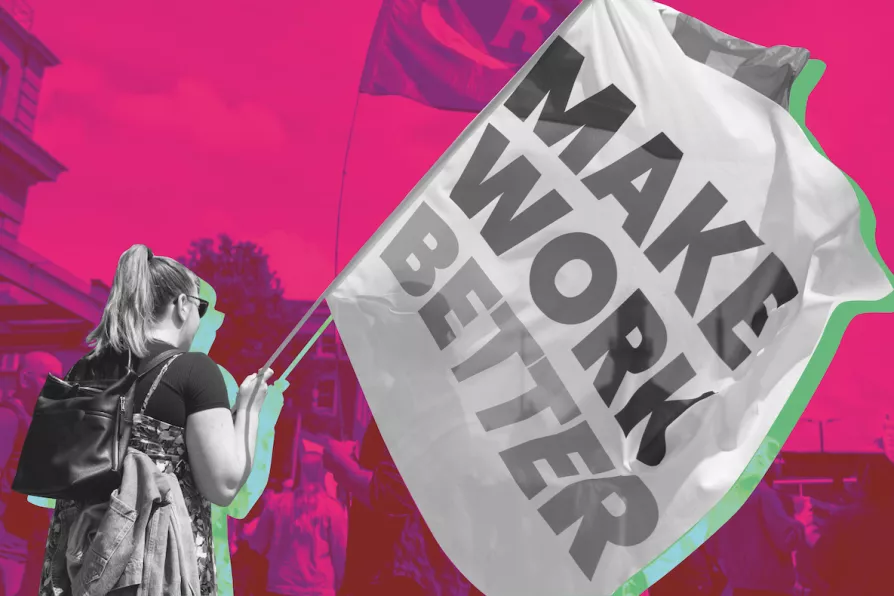

DOUG NICHOLLS welcomes a turning point at this year’s Congress, where many motions call for a co-ordinated plan to revive British industry, a perspective outlined in his new book
HOPE VIRGO of campaign Dump the Scales warns MPs voting today they should be alert to the threat legalised assisted death poses to people with eating disorders
The Together Alliance is hosting two summits, North and South, to build power and plan action against the scourge of racism peddled by the right. DANIEL KEBEDE urges mass participation
The drift toward militarisation in Europe is not inevitable, left-wing and peace movements can preserve sovereignty and prevent war, says DÁIRE HUGHES MP
Whatever differences exist among international sympathisers of the Bolivarian revolution about its current trajectory, they should unite against the imperialist power that is the source of an enforced retreat, argues ROGER D HARRIS
Trade unions need to step up and force a turn in the policies of the labour movement to effectively confront the far-right threat, argues NICK WRIGHT





RISING food, energy and housing costs and the falling value of wages mean that workers’ living standards are under attack. So are their legal rights. The government refuses to introduce an Employment Bill, promised in 2019, and is currently on course to remove a large body of workers’ rights derived from EU law, including the right to paid holidays.
The government is also attacking trade union rights, with further restrictions designed to undermine the ability of workers to fight back. Yet British workers are already among the least protected in the developed world, and British employers are among the most powerful.
British workplaces have been plagued for years by zero-hours or work-on-demand contracts, flexible contractual terms giving wide-ranging powers to managers to dictate when, where and how work is to be done, fire-and-rehire allowing employers to reduce pay and working conditions, and, at P&O Ferries, the emergence of fire-and-replace as a corporate tactic.

Similar stories

Our priority must be to defend hard-won protections while linking equality law to trade union power and wider social transformation, says MARY DAVIS, on behalf of the Women’s Liberation Alliance
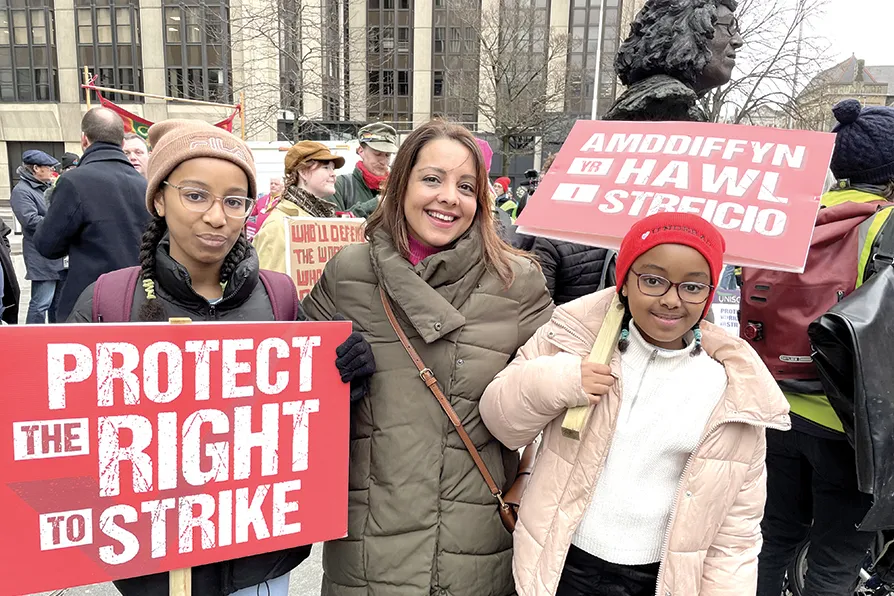
The International Court of Justice has delivered its clearest ruling yet that the right to strike is protected under international law, write Professor TONIA NOVITZ, Professor KEITH EWING and Lord JOHN HENDY KC
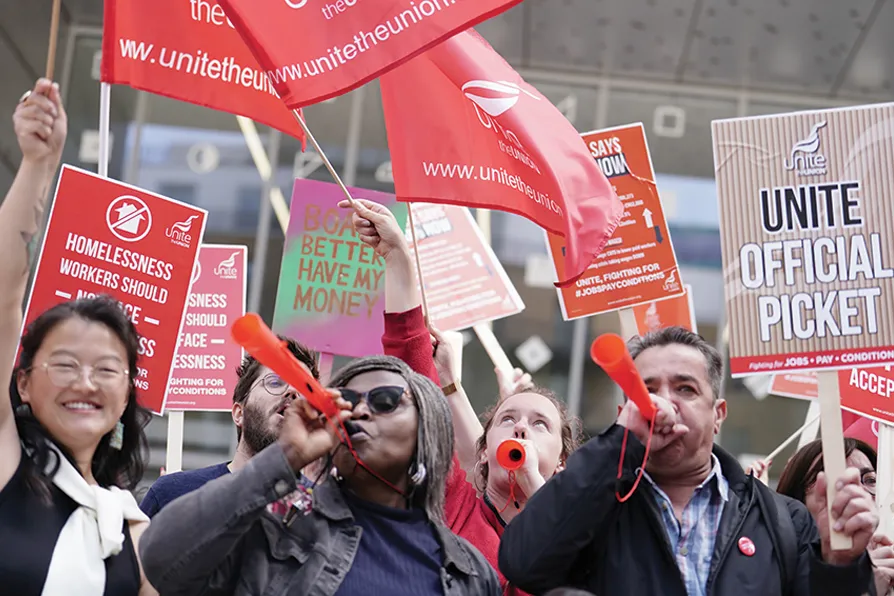
The unions are unhappy with the Employment Rights Act 2025 and with good reason. KEITH EWING and Lord JOHN HENDY KC take a close look at why the Bill promised more than it delivered
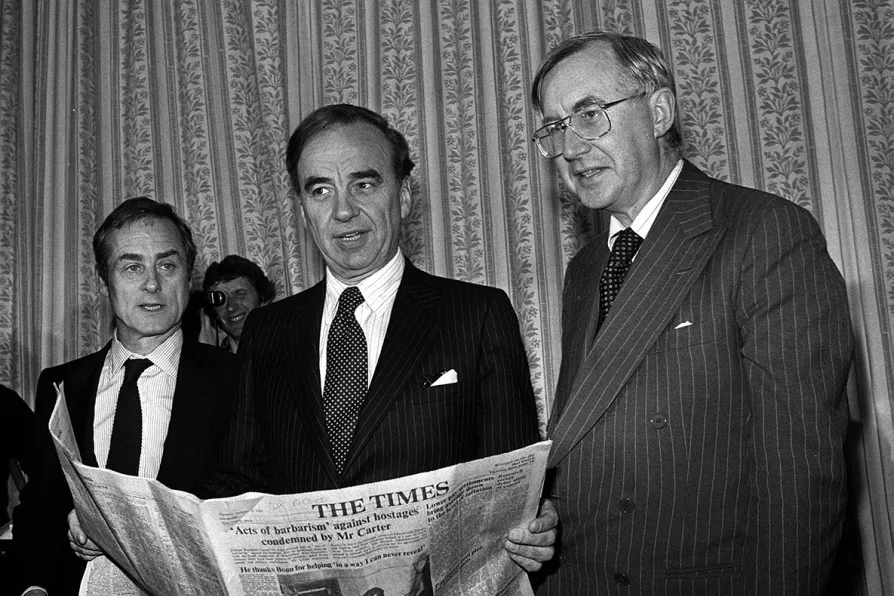
Four decades on, the Wapping dispute stands as both a heroic act of resistance and a decisive moment in the long campaign to break trade union power. Lord JOHN HENDY KC looks back on the events of 1986