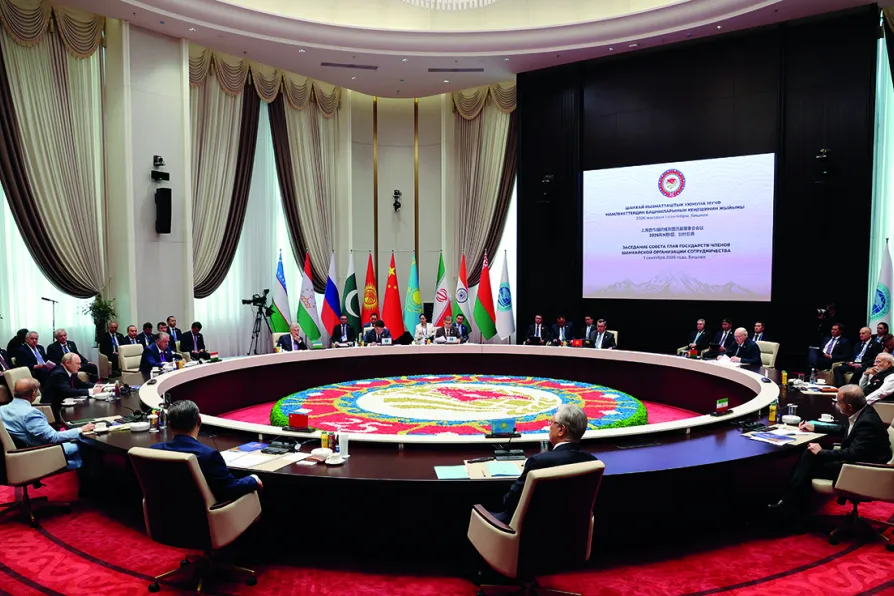
The 25th anniversary meeting of the Shanghai Co-operation Organisation in the Kyrgyz capital may offer a glimmer of hope that international relations do not need to be defined by endless confrontation, writes KENNY COYLE


 Latest editorial

Please, Sir, can we have some more?
Falling short of what was promised: many of the new rights in the Employment Rights Bill have defects or escape loopholes that all need addressing, writes LORD JOHN HENDY KC
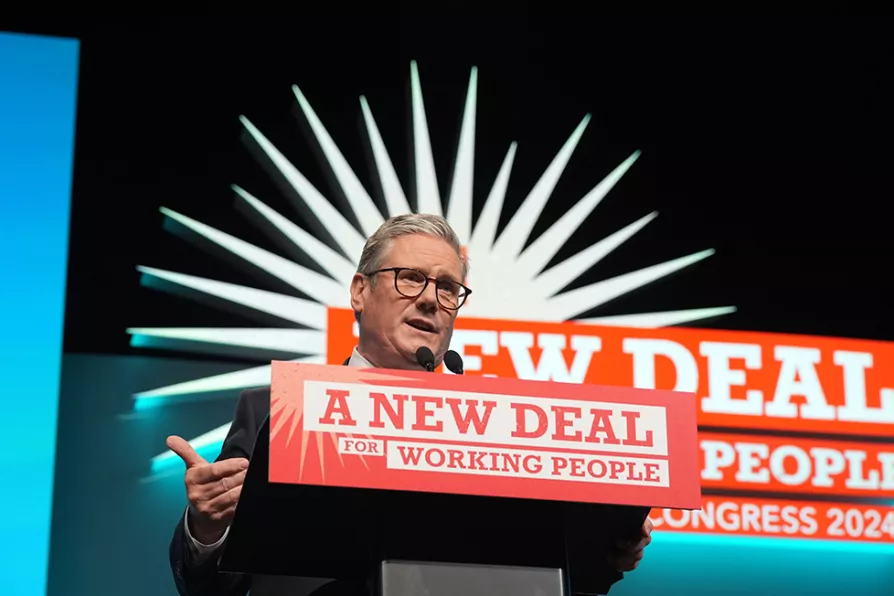 Oversold: the New Deal for Workers promised by the Labour leader has turned out far weaker than unions anticipated
The artist, who has just died, is embedded in the subconscious of the Palestinian people
The five young men killed in the A66 crash were responsible for a devastating tragedy — but the crash should force us to ask difficult questions about wider society, argues RENATA MEDEIROS MIRRA
The unwillingness of the British political elite to acknowledge that we are on the edge of a direct conflict with Russia leaves the peace movement with an urgent and onerous task
Committee for the Defence of the Iranian People’s Rights general secretary GAWAIN LITTLE discusses the impact of the US-Israeli war on the Iranian people and economy
Capitalism has extracted itself from crisis before, argues PRABHAT PATNAIK – but through methods no longer available. So it is turning to authoritarianism, militarism and neocolonialism





THE Employment Rights Bill begins its passage through the House of Lords today. At 300 pages in length, spiced up by 250 government amendments in the Commons, it remains thin gruel, leaving trade unions, like Oliver Twist, asking for more — in the shape of a second industrial relations Bill during this parliament.
The Bill is a long way short of the full (but hardly gastronomic) menu in Labour’s green paper, A New Deal for Working People, drafted by a committee composed mostly of trade union leaders under Andy McDonald MP and adopted by Labour conference in 2021, reaffirmed in 2022, and loudly proclaimed by the leader and deputy leader on many occasions since.
Of course, the hunger for more does not detract from the gratitude the movement feels at a Bill of fare which will remove the Strikes (Minimum Service Levels) Act 2024, and most (but not all) of the Trade Union Act 2016 — and do a lot more besides. But restaurant critics are surely entitled to judge the meal on how it measures up to the menu on the door rather than compare it to the starvation rations offered by the previous management.

Similar stories
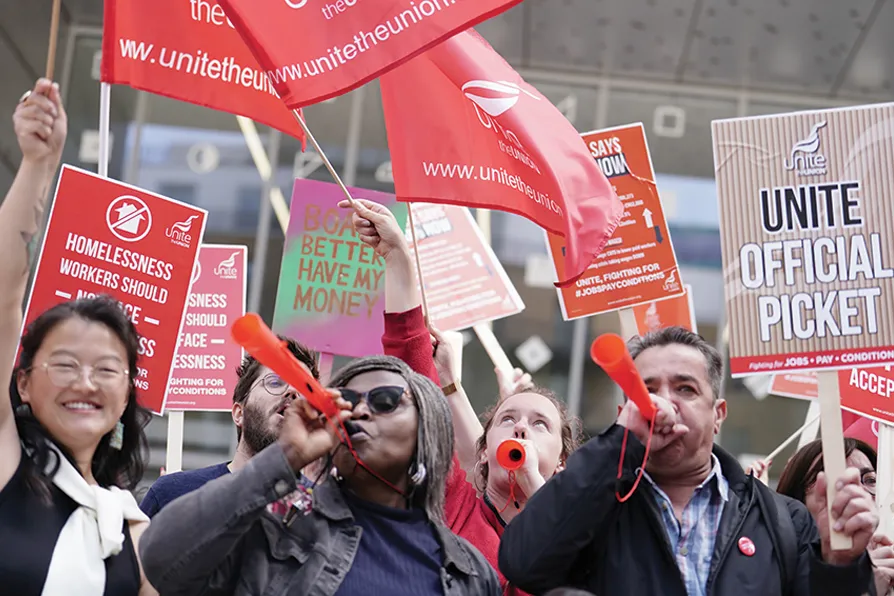
The unions are unhappy with the Employment Rights Act 2025 and with good reason. KEITH EWING and Lord JOHN HENDY KC take a close look at why the Bill promised more than it delivered
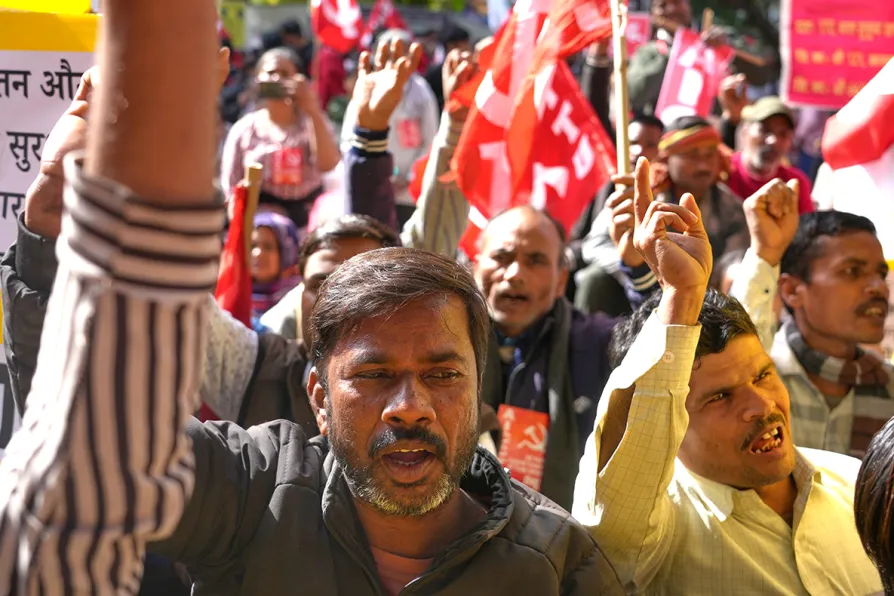
The biggest strike in global history is a template for our future. The silence tells you all you need to know, writes CLAUDIA WEBBE
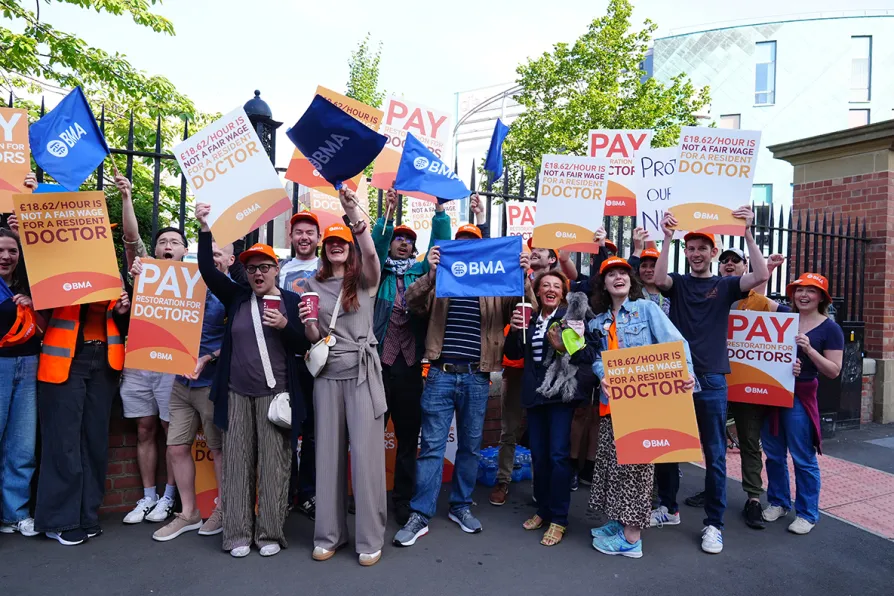
Labour’s watered-down legislation won’t protect us from unfair dismissal or ban some zero-hours contracts until 2027 — leaving millions of young people vulnerable to the populist right’s appeal, warns TUC young workers chair FRASER MCGUIRE
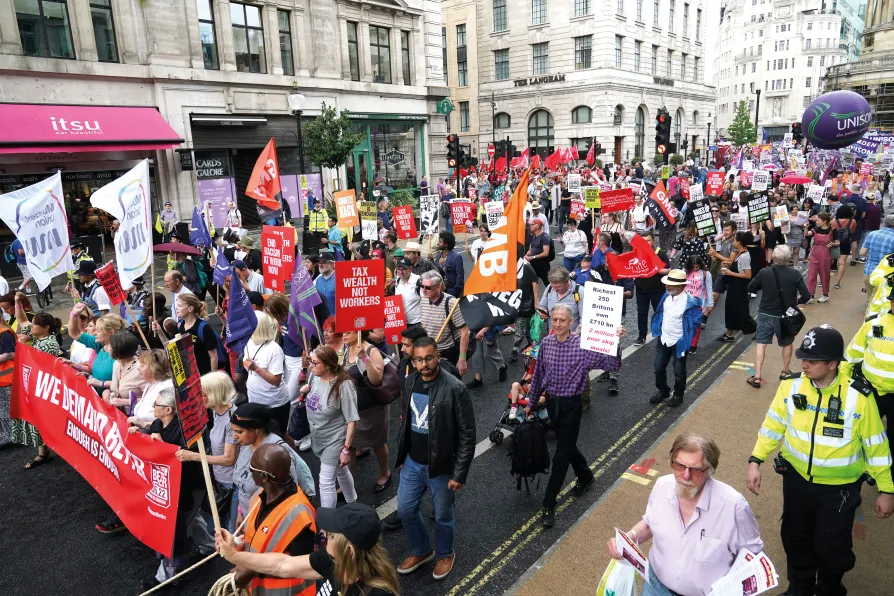
Labour must not allow unelected members of the upper house to erode a single provision of the Employment Rights Bill, argues ANDY MCDONALD MP