
Washington’s inability to subjugate Iran is an example of how it is trying to preserve a regional order that no longer exists, argues RAMZY BAROUD


The repeated outbreaks show that animal rights are a class issue
Even though our alienation from nature was at the heart of Marx’s writing, the commodification of non-human life is rarely taken seriously by the left — but from Covid to Sars, it’s time to see that this is a dangerous mistake, argues DAWN EVANS
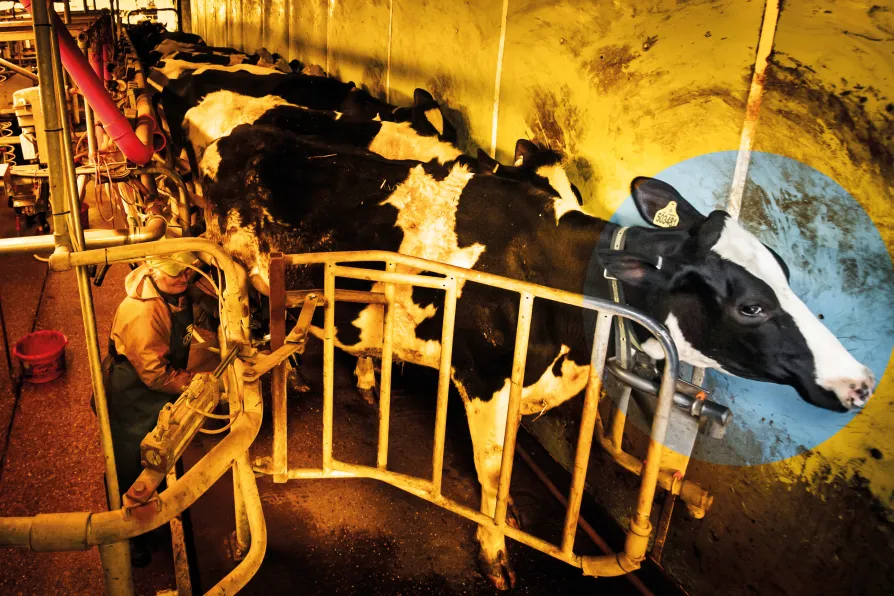
 The cause of animal rights and species discrimination is now gaining acceptance as being a matter of survival, and not just for non-human animals. It is now widely understood that the continued existence of the human species is intricately linked to a healthy ecosystem which is dependent on a flourishing animal and insect population.
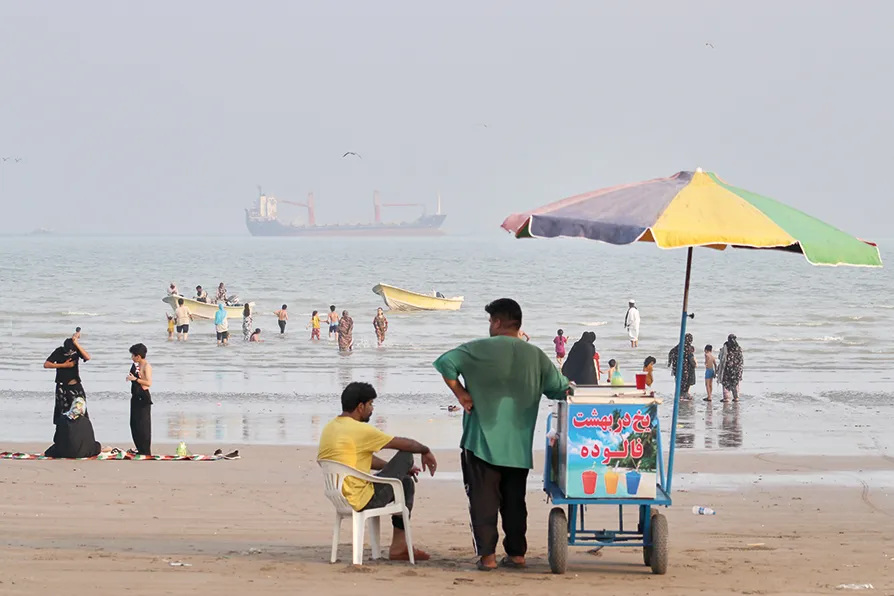
US financial instability is exposing the limits of a dollar-dominated global economy — and giving the Global South a historic chance to build an alternative, says MURAD QURESHI
DOUG NICHOLLS says the parasitic finance markets must be challenged or another British government could be toppled
The late country singer’s Imagination Library has put hundreds of millions of books into children’s hands. We should build on that legacy by defending the libraries at the heart of our communities, says BRENDA AITCHISON
Deprivation is a fundamental factor in criminal behaviour that must be addressed but, KENNY MacASKILL argues, there needs to a major rethink in sentencing to tackle overcrowding
MML director MEIRIAN JUMP outlines the recently refreshed library’s busy autumn schedule that ranges from book sales, archival exploration, community work with online education and the ever popular site tours
TONY BURKE surveys the shifting political landscape and the challenges Labour needs to address if it is to prevail in the 2028 federal elections





THE rights of animals and their correlation to a healthy, sustainable environment have over recent years become a critical issue which is no longer viewed as a niche preoccupation of the middle classes who have the luxury of time to engage in quirky interests.
The cause of animal rights and species discrimination is now gaining acceptance as being a matter of survival, and not just for non-human animals. It is now widely understood that the continued existence of the human species is intricately linked to a healthy ecosystem which is dependent on a flourishing animal and insect population.
However, this is an issue that the political left has yet to fully engage with and understand as the existential matter it is. And like all matters involving health and wellbeing, the negative impact and fallout resulting from extreme animal exploitation disproportionately affect the poorest in society. It is a class issue.

Similar stories

Class struggle is the motor of history but the direction and detail of change at any time and place is the outcome of many factors, suggests the Marx Memorial Library and Workers’ School
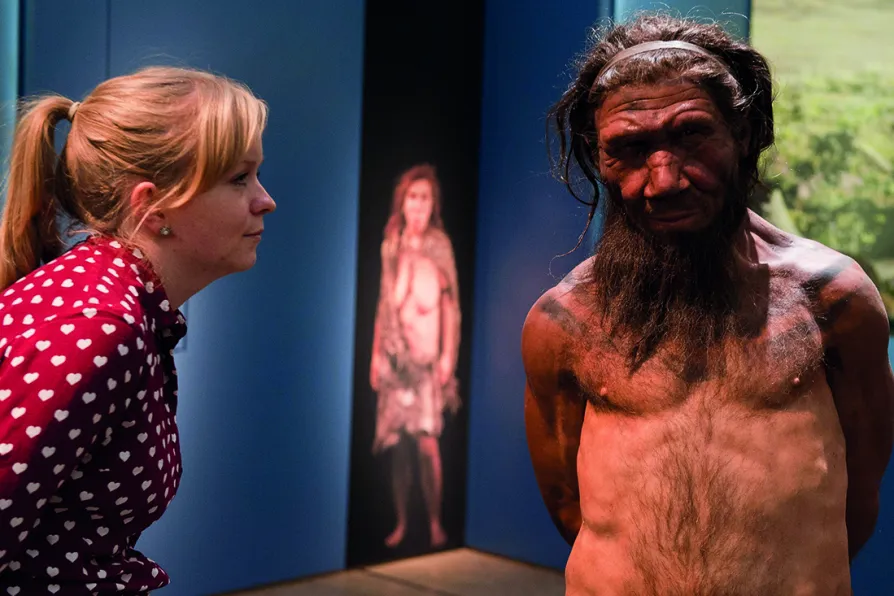
Humans are part of the ‘animal kingdom’ – and of nature in general – but also distinct from it and labour (work) is part of what makes us unique, declared Engels. His insights 150 years ago into how our species came to be and how we differ from the rest of nature, are as important today as they were then, says the MARX MEMORIAL LIBRARY

Dignity is important to all humans, argues the Marx Memorial Library and Workers’ School, but it does not come about automatically. In a less than perfect world, dignity can accompany suffering, but the collective dignity of working people is achieved through acting together to change the world.
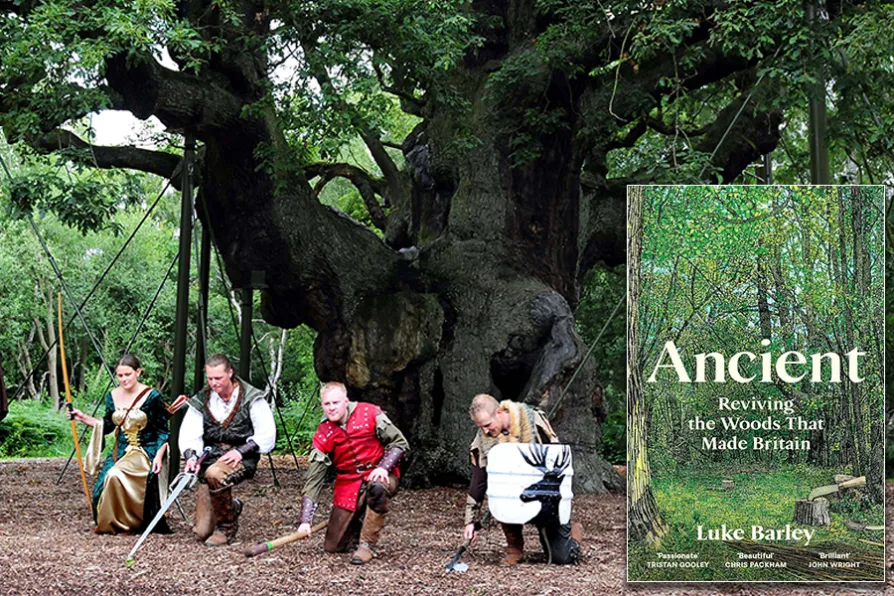
JAN WOOLF relishes an extensive history of our long relationship to trees in Britain that underlines the current emergency