Councillor SAM WHEELER says there’s a tangible shift in mood on the left in the city whose mayor has recently become PM — but there’s no room for complacency



Scotland has monsters, but not just in Loch Ness
It is that monster-hunting time of the year again and with the help of a robot underwater camera PETER FROST discovers a real huge monster in Scottish waters

 [Pic: Green Fire Productions / Creative Commons]


Communist Party leaders Alex Gordon and Lorraine Douglas deliver vital medicines in trip to besieged socialist island
TUC Cymru is playing a leading role in tackling far-right ideas in the workplace, says LAURA DOEL
A New Delhi press conference in which Sheikh Hasina and her son implied the new order in Bangladesh is a security threat to India has sparked fears she is planning a comeback. SIAM SAROWER JAMIL reports on the fallout
Two months of student unrest have forced out India’s education minister and rattled the BJP regime. Could this be the beginning of the end for Modi, asks Communist Party of India (Marxist) general secretary MA BABY
MAT COWARD says the heatwave is a testing time for gardeners — but he has some tips





A ROBOT camera has been used in British seas for the first time to monitor the behaviour of huge basking sharks (Cetorhinus maximus) off the Scottish coast.
Marine scientists have just spent a week off the coast of Mull in the Inner Hebrides tagging three basking sharks using the cameras attached to the shark’s dorsal fin and trailing behind the huge fish. This type of tag has never before been used to film basking sharks.
Basking sharks are the second-largest fish in the world, an endangered species weighing up to seven tonnes and 33 feet (10m) long with a huge mouth over three feet (1m) wide.

Similar stories
![Meat [Pic: Cindie Hansen / Creative Commons]](https://msd11.gn.apc.org/sites/default/files/styles/desktop/public/2026-07/cindie-hansen-8IQlsHB2OS8-unsplash.jpg.webp?itok=AgeMqKnO)
Innovation in biotechnology is changing how we conceive of meat, say ROX MIDDLETON, LIAM SHAW and MIRIAM GAUNTLETT of SCIENCE AND SOCIETY

Is the Scottish government in favour of drilling or not? Evasiveness and incoherence are the order of the day, argues KENNY MacASKILL

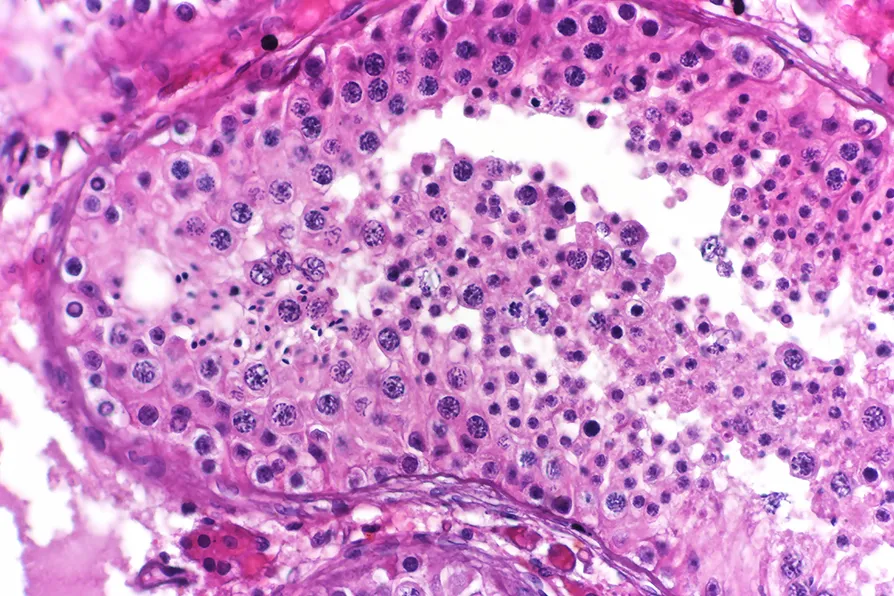
New research into mutations in sperm helps us better understand why they occur, while debunking a few myths in the process, write ROX MIDDLETON, LIAM SHAW and MIRIAM GAUNTLETT