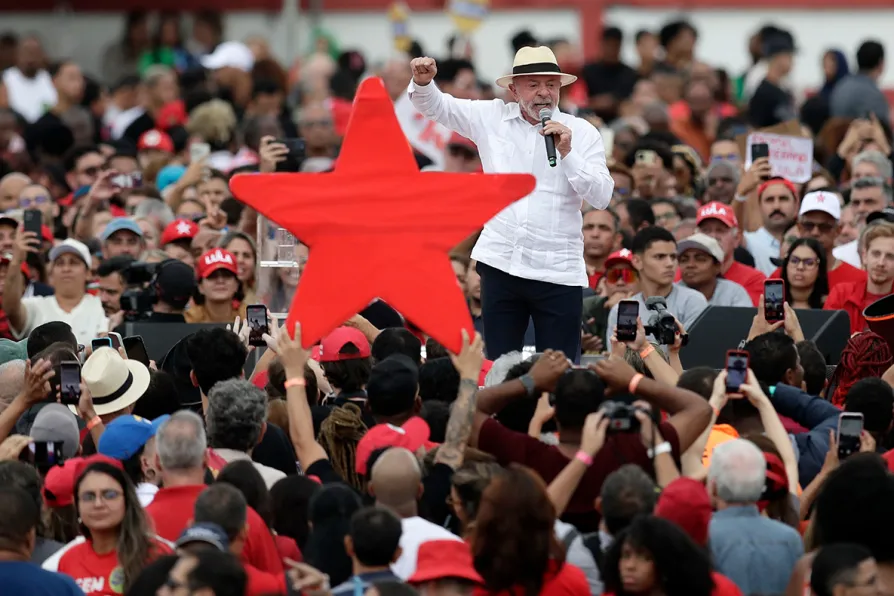
Sovereignty and the rule of law are under threat from Trump’s attacks on Lula’s administration just as they have been across Latin America, argue CARLOS MARTINEZ and SARA VIVACQUA


 Latest editorial

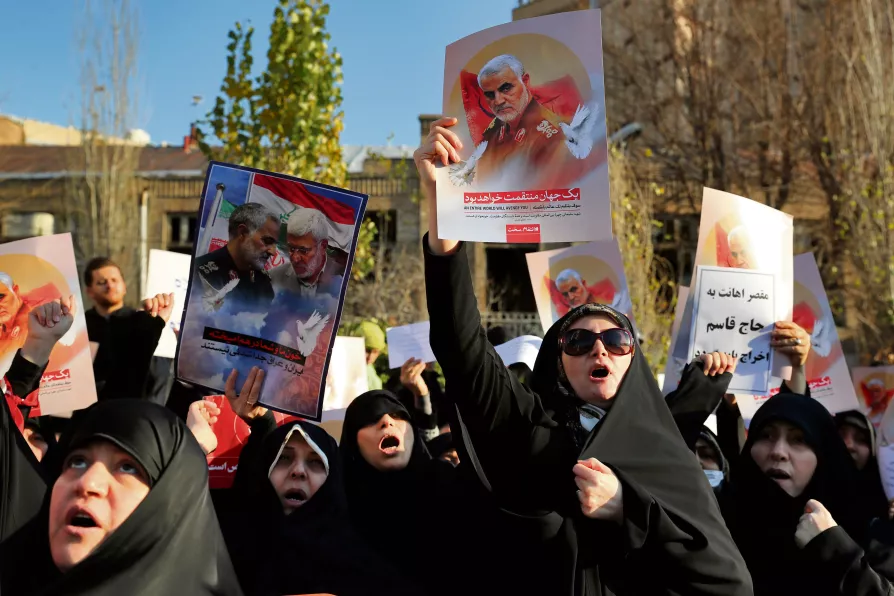
‘Oil prices rose 4 per cent after Soleimani’s assassination’
ZOLTAN ZIGEDY explains how and why the US empire murdered a leading Iranian general without warning in Iraq
Glasgow will remember the martyrs of the 1787 strike this weekend in speech and song, their spirit is sorely needed today, writes JIM LISTER
ALEX BROWN explains how medieval Europe was plunged into sunless years, with widespread crop failures and devastating famines
Police crackdowns on Israeli peace demonstrators combined with court rulings and settler organisations are designed to strip Palestinian families of their homes and land. The Israeli state has tried to silence both Israelis and Palestinians who resist, according to Zo HaDerekh (This Is The Way) the Communist Party of Israel’s Hebrew-language weekly
Remembering a legendary trade unionist and inspirational leader
Communists in Australia, Britain and the US outlined a joint state agreement against their governments’ militarist provocations.





IMAGINE a prominent public figure — a general or a political leader — flying into a commercial, public airport of another country to attend a funeral, perhaps negotiate a peace initiative. After being greeted by a top leader of that country’s militia, national guard, or military reserve, the two proceed to leave the airport in a motorcade, taking no particularly remarkable security arrangements.
A drone from a third country intercepts the motorcade, firing missiles and killing everyone involved.
Understandably, such an event would provoke world outrage and calls for bringing the perpetrator to justice. If the visiting public figure were a Nato general visiting Greece, a cabinet member landing in Colombia, or an ambassadorial assignee in Japan, denouncements would ensue, moral indignation would explode, and legal consequences would follow. An angry UN would respond to calls for sanctions. Terrorism alerts would reach a high level.

Similar stories
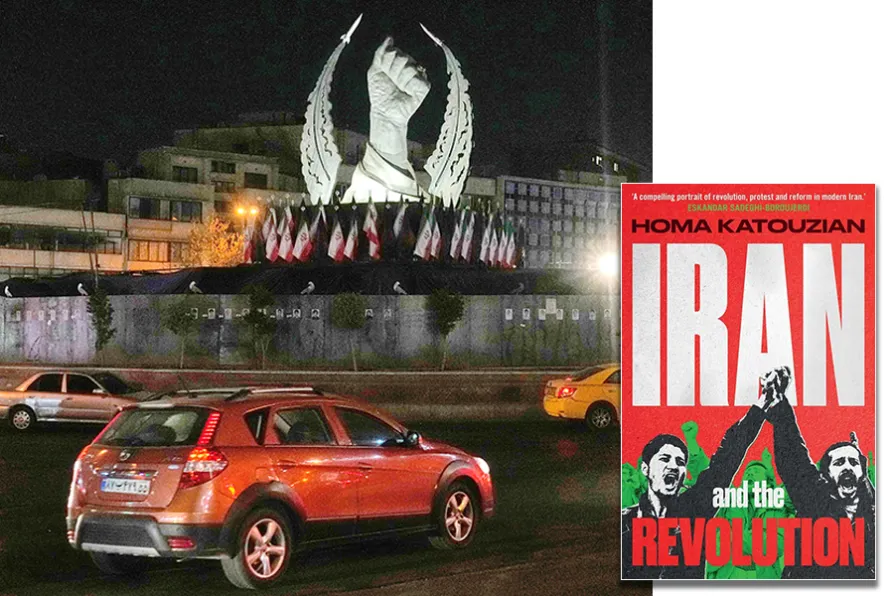
BRENT CUTLER searches a new history of contemporary Iran for an understanding of the Islamic Republic, finding both interesting detail and glaring omissions
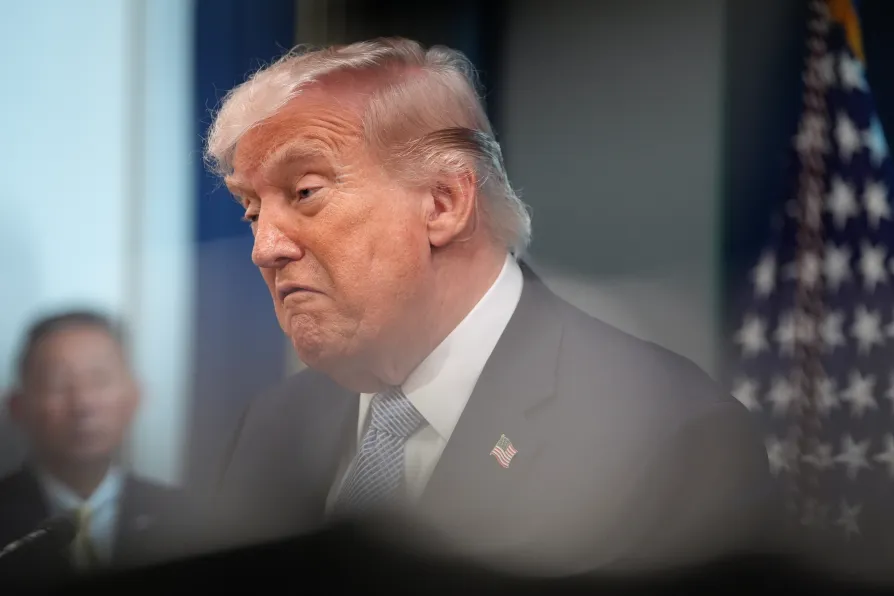
Washington’s response to a downed jet shows a superpower still reaching for overwhelming force even as its wars repeatedly fail, says NICK WRIGHT
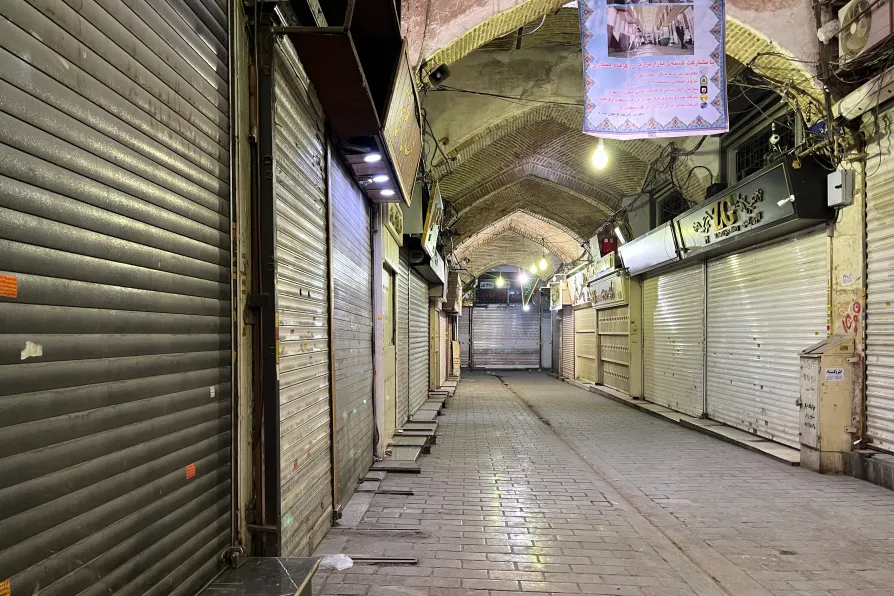
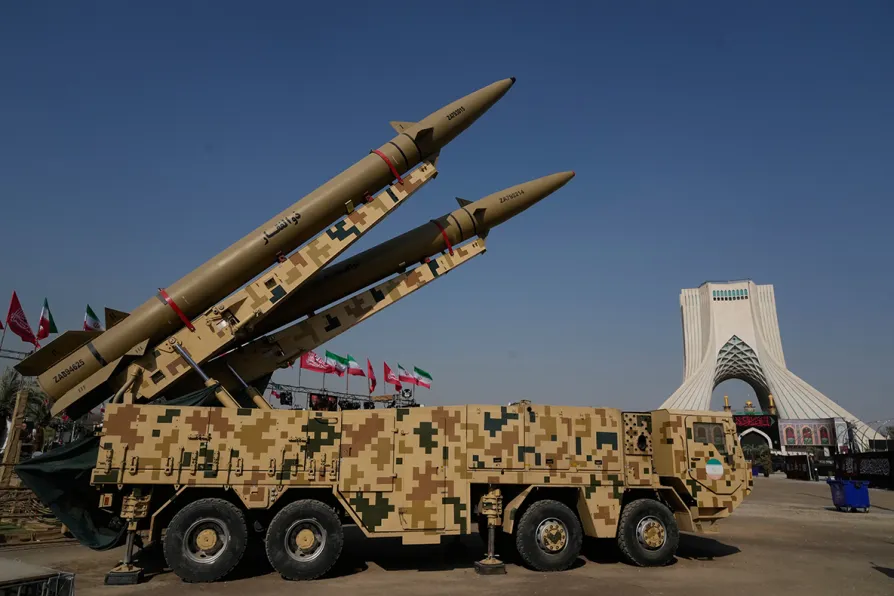
Trump threatens war and punitive tariffs to recapture Iranian resources – just as in 1953, when the CIA overthrew Mossadegh and US corporations immediately seized 40% of the oil, says SEVIM DAGDELEN