Green Party deputy leader MOTHIN ALI, who will speak at the International Anti-War Conference in London on June 20, says Britain needs to rethink its priorities – and its allies


 Latest editorial
Facebook doesn’t care about you: tech giant chooses profits over people every time
The revelations of whistleblower Frances Haugen have shown that the all-enveloping social media giant has every problem a monopoly presents but on a terrifying new level — with our privacy and safety at risk like never before, writes CHAUNCEY K ROBINSON
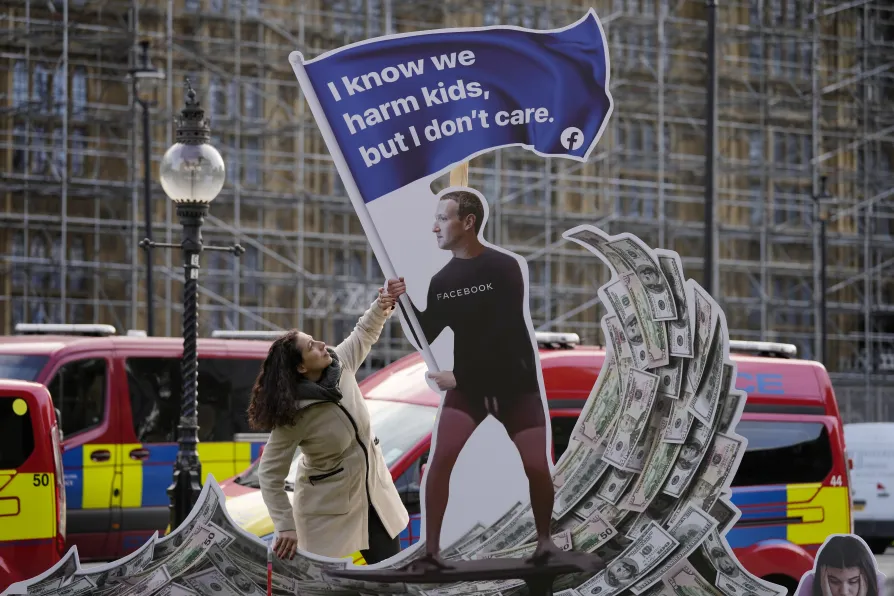 A depiction of Mark Zuckerberg is erected outside parliament, Monday October 25, as Facebook whistleblower Frances Haugen was due to testify to MPs on how the company puts its profits ahead of public safety
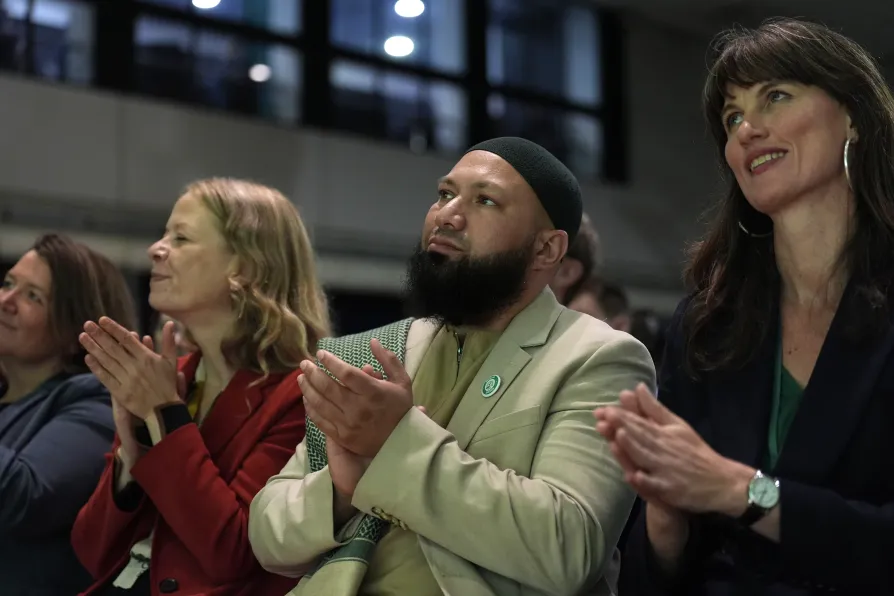
From Global Counsel to Arden, SOLOMON HUGHES finds firms linked to discredited politicians are still calling the shots in Britain
KEVIN COURTNEY explains why Reform UK is no friend to workers or trade unions, but just another party of the super-rich
EMMA DENT COAD explains why she is stepping down from the council after 20 years and how the legacy of the fire still haunts the area
While international attention focuses on ceasefire frameworks, Israel is openly advancing plans for a permanent expansion of its control over Gaza, writes RAMZY BAROUD
Researchers PAUL HOLDEN and JESSICA MURRAY are calling for whistleblowers and documentary records to uncover how Labour Together helped build the parliamentary majority that now dominates the Labour Party





WHEN it debuted on the internet in 2004, Facebook seemed like a revolutionary innovation. A way for millions of people to engage with one another on a central virtual platform. It was free communication at your fingertips. But as more bombshells pertaining to the mega-giant tech company have hit the news in recent weeks, we now see that nothing was free or revolutionary.
It’s clearer now that we, the users of Facebook, are actually the company’s product, sold to the highest advertising bidder and placed at the mercy of an algorithm that incites human hate in the name of increasing “engagement.” Judging by recently leaked evidence, Facebook doesn’t care about you, your grandmother, or your cat videos. And on top of that, its growing influence and monopoly power pose a real danger to democracy and our society as a whole.
Earlier this month, data scientist Frances Haugen came forward as the Facebook whistleblower. Having previously worked for the company, Haugen shared a trove of internal documents and gave several interviews the past few weeks showing that whenever there was a conflict between the interests of the company and the public good, the social media giant would choose its own interests.

Similar stories
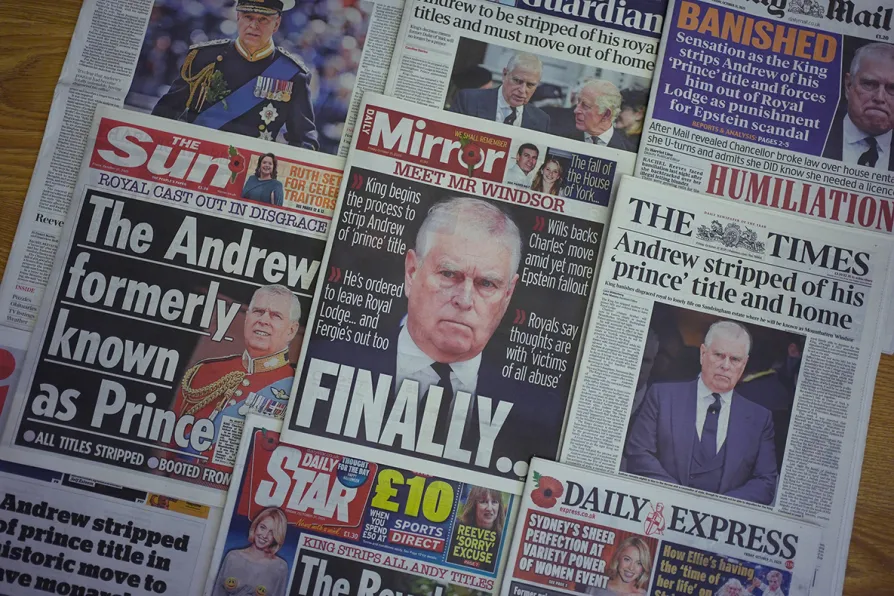
Claims that digital media has rendered press power obsolete are a dangerous myth, argues DES FREEDMAN
It is rather strange that Labour continues to give prestigious roles to inappropriate, controversy-mired businessmen who are also major Tory donors. What could Labour possibly be hoping to get out of it, asks SOLOMON HUGHES
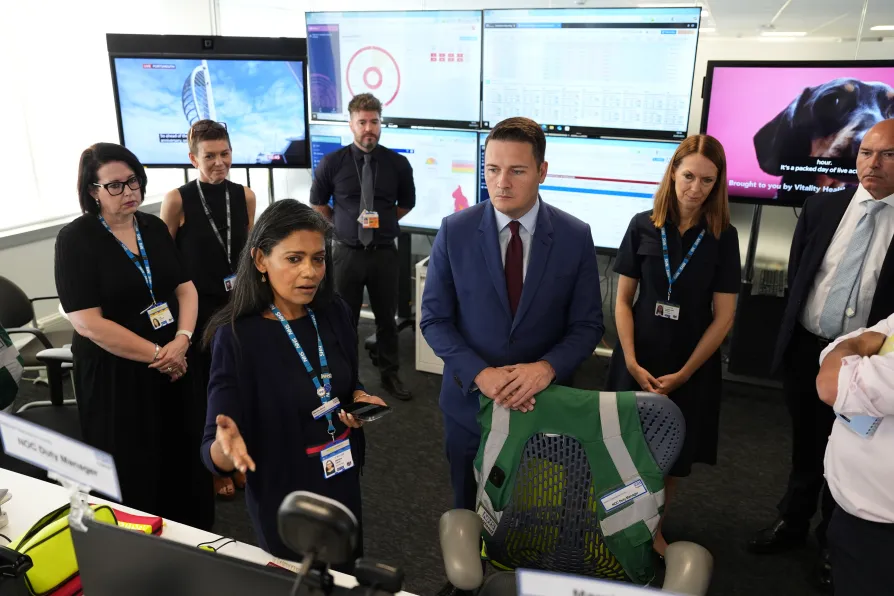
Politicians who continue to welcome contracts with US companies without considering the risks and consequences of total dependency in the years to come are undermining the raison d’etre of the NHS, argues Dr JOHN PUNTIS

PAUL W FLEMING is unequivocal that Labour’s unpreparedness and resulting ambiguity on copyright in the creative industries has to be reined in with policies that will reverse the growing abuse by Big Tech AI