IAN LAVERY MP warns that decades of neoliberal policies have left former industrial communities behind — but a renewed Labour commitment to working people could change the political landscape


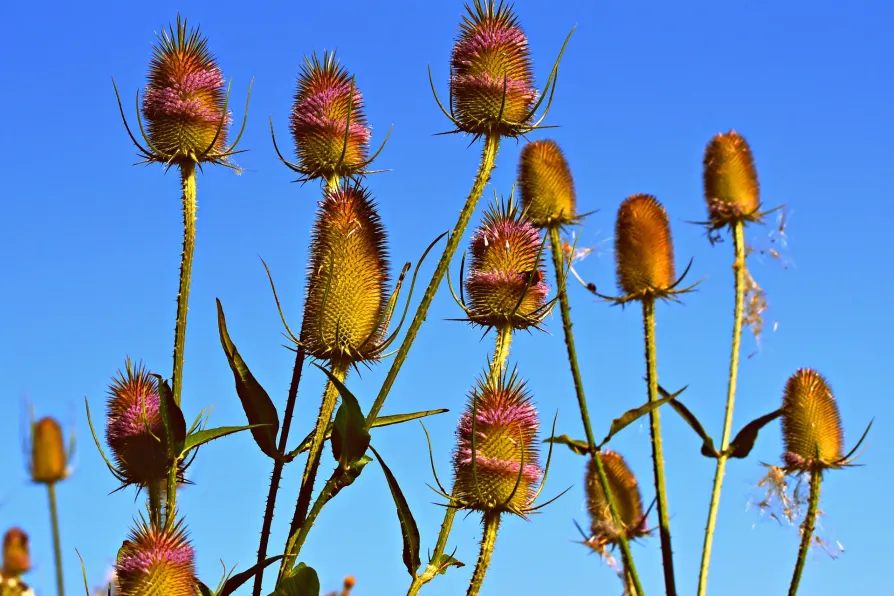
Encourage wildlife in your garden by growing a teasel
Gardening with MAT COWARD


PAOLO SANTALUCIA reports on how an Italian region defies US pressure to end a Cuban doctors programme
HENRY FOWLER outlines the GFTU’s new 2026-27 education programme and argues that investing in trade union education is essential to building worker power, developing leaders and strengthening collective action
We need a government that invests in saving lives not destroying them, argues SOPHIE BOLT
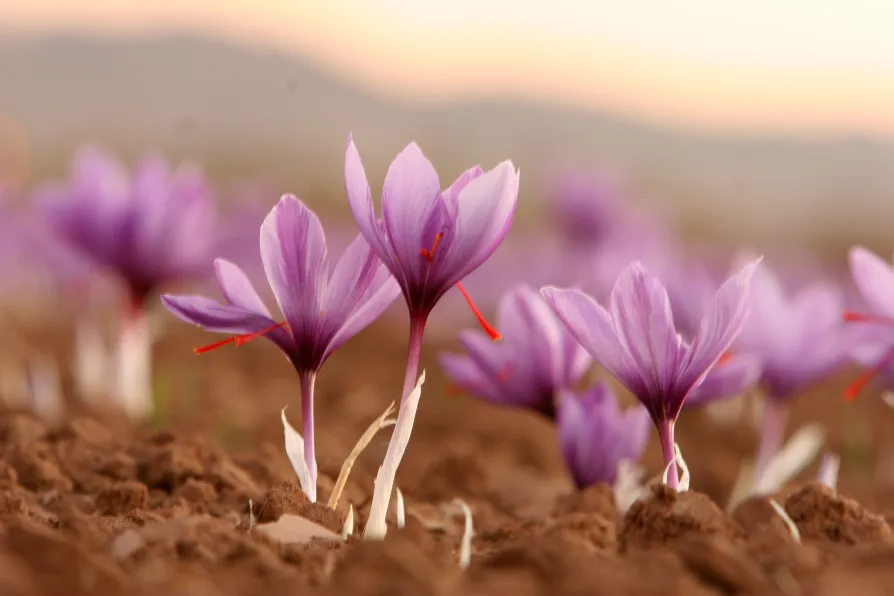
More expensive by weight than gold, saffron is surprisingly simple to grow. MAT COWARD explains
The public inquiry is the result of more than a decade of determined campaigning. Now, those who fought for justice want the full story of government involvement and police conduct to be told, says KATE FLANNERY
The Durham Miners’ Gala is a celebration of working-class culture, but also a call to action — to rebuild workers’ collective strength, says KIM JOHNSON MP





I SUSPECT that the reader who told me she has a garden “literally about the size of a luggage trunk,” and asked what she could grow in it to attract wildlife, thought she was setting me a challenge. But in fact the answer is very easy: plant a teasel.
I’m writing this on a day of heavy snow, looking out of the window at my own teasel (botanical name Dipsacus fullonum), at which three goldfinches — surely the most exotic-looking of Britain’s regular garden birds — are busily feeding. They’re after the seeds, which their long, fine beaks allow them to prise out of the plant’s dead, dried flower heads.
Teasels must produce an awful lot of seeds, because the birds visit them repeatedly right through autumn and winter. If you know that goldfinches exist in your area, and you’d like to see them in your garden, then I don’t think there is any better plant you can grow. Other seed-eating birds also use teasel, though goldfinches will tend to picket them out.

Similar stories
More expensive by weight than gold, saffron is surprisingly simple to grow. MAT COWARD explains
Commiserations if you failed this year, MAT COWARD offers six points which, if followed religiously, will ensure you succeed next year
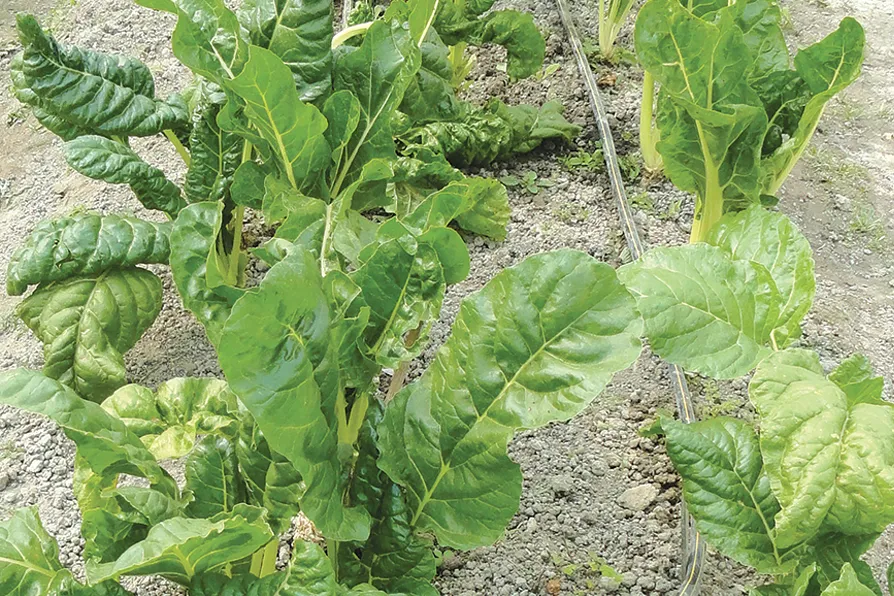
MAT COWARD sings the praises of the Giant Winter’s full-depth, earthy and ferrous flavour perfect for rich meals in the dark months
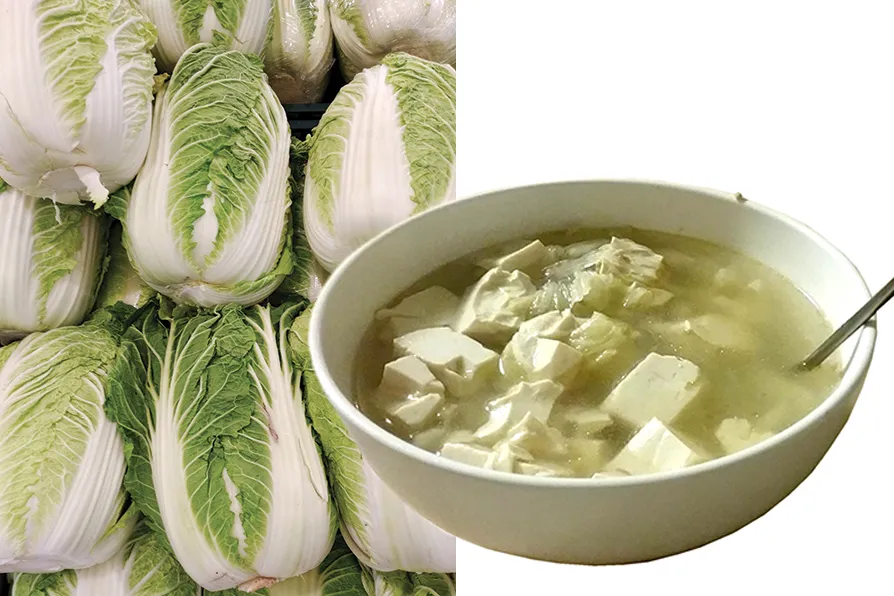
MAT COWARD presents a peculiar cabbage that will only do its bodybuilding once the summer dies down