

 Latest editorial
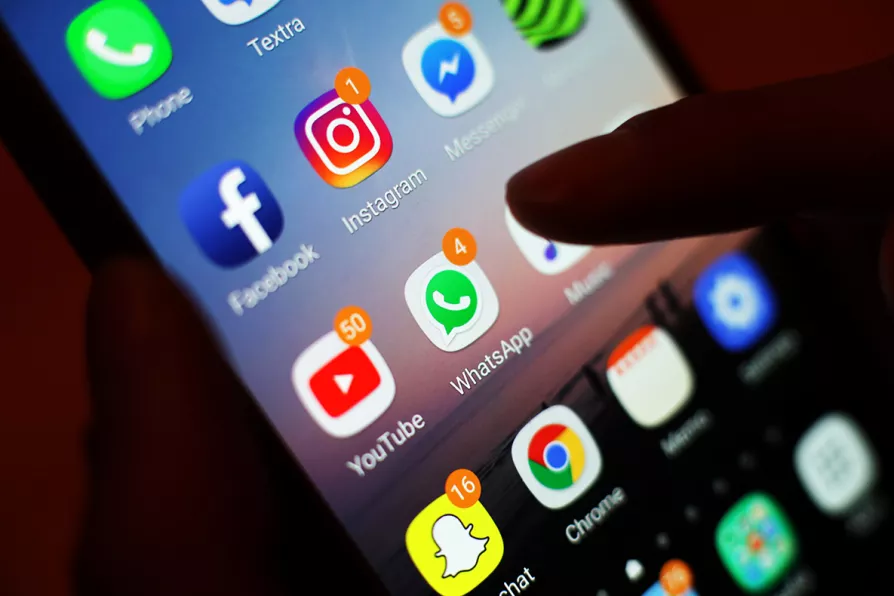 Social media apps on a mobile phone





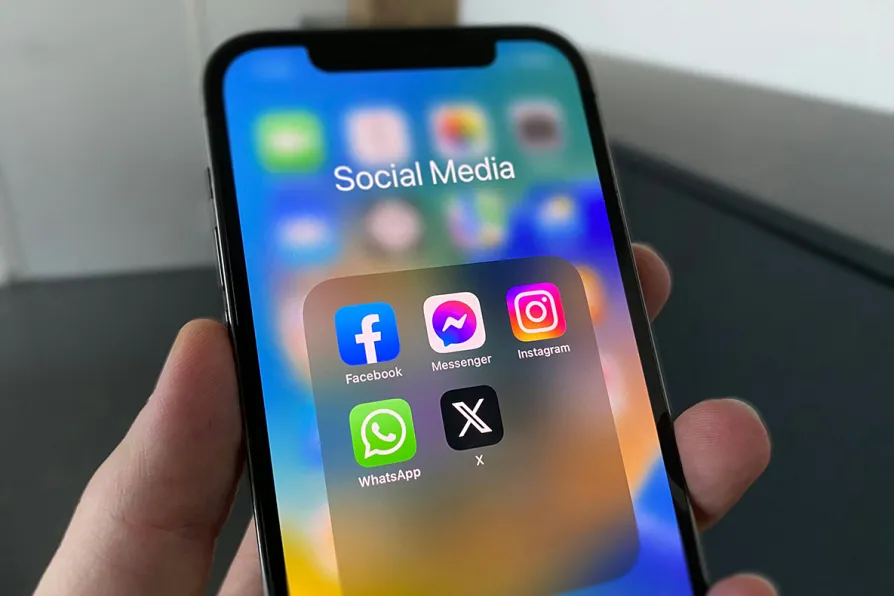
BANNING social media for under-16s would do “little to address underlying issues,” Scotland’s Children’s Commissioner said today.
Nicola Killean made the comments as part of her response to a British government consultation on social media restrictions for young people, such as app curfews and time limits, as well as an Australia-style blanket ban.
After her own consultation with 12 to 17 year-olds, the commissioner accepted “social media can expose children to serious risks, including harmful content, cyberbullying, manipulation, contact from strangers, exploitation and excessive use” but insisted it could also “play an important role in many children’s lives.”
She said: “The evidence so far on bans is limited, mixed, and still emerging. Blanket restrictions can risk shifting responsibility away from platforms and onto children.
“A ban does little to address underlying issues, such as exploitative algorithms and business models that drive harmful content and engagement.”
Speaking earlier this week, Prime Minister Sir Keir Starmer said: “I’ll be really clear, the question now is not whether we do something, we are going to act.
“The question is only what we do.”


The ban on Maccabi Tel Aviv fans was based on evidence of a pattern of violence and hatred targeting Arabs and Muslims, two communities that have a large population in Birmingham — overturning the ban was tacit acceptance of the genocidal ideology the fans espouse, argues CLAUDIA WEBBE