

 Latest editorial
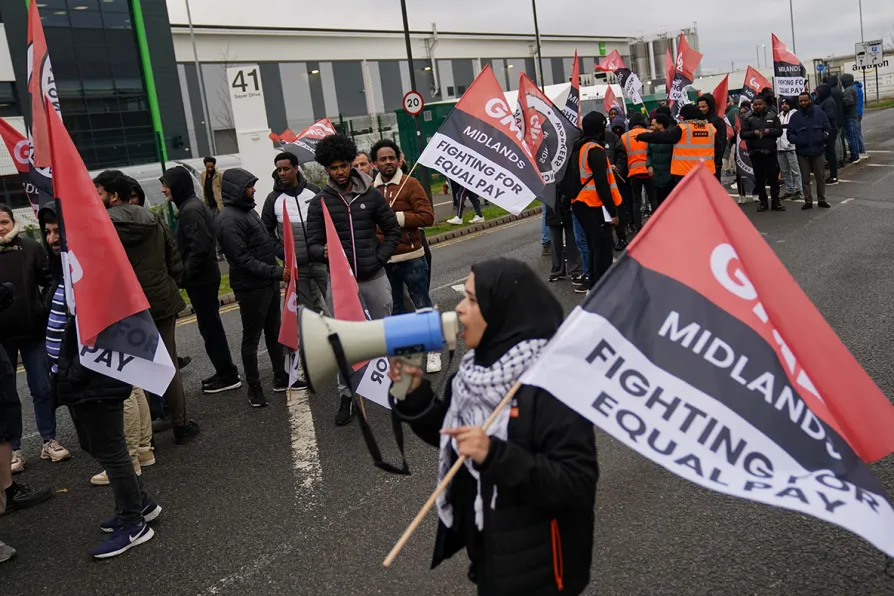 Amazon staff members on a GMB union picket line outside the online retailer's site in Coventry, as they take part in a strike in their long-running dispute over pay, March 19, 2024






DEMOCRACY faces a multitude of challenges in 2025, from the growing influence of authoritarian right-wing parties to the abuse of social media, not least by the billionaire owners of the main platforms.
But probably none is more significant than plummeting voter turnout in elections. If democracy ceases to engage the demos, it is on a hiding to nothing.
The report this week from the centrist Institute for Public Policy Research (IPPR) sounds the alarm, and rightly so.
Last year’s general election saw voter turnout fall to 60 per cent, the second-lowest figure in over a century. And that does not count the many voting-age residents of Britain who never make it on to the electoral register.
The IPPR argues that Britain is “close to a tipping point” where elections lose their legitimacy because of low participation. This would only benefit the Establishment which wants to see its centrist policies of war and neoliberalism pursued regardless of elections.
The report also makes a number of worthy recommendations to address this crisis, from automatic voter registration to lowering the voting age to 16 and recruiting election-day poll workers from the population under a system parallel to jury service.
It also suggests moving election days to weekends and scrapping the voter ID requirements introduced by the Tories in a blatant attempt to drive down turnout among what were believed to be non-Conservative sections of the electorate.
It is unclear how much of this the Labour government will contemplate enacting. It has notably failed to commit to repealing the new ID rules.
None of these plans, however, address the underlying problem which, however, the IPPR identifies without naming. It draws attention to the widening turnout gap between the university educated and those who go straight from school to work, and between those who rent their home as against those who are homeowners.
It is among working-class people that turnout is declining fastest. That is the clear implication of the IPPR’s research, and it is one borne out by election figures, which shows turnout generally significantly higher in Hampshire and Surrey than in South Yorkshire or Greater Manchester.
This is not foreordained. When the outcome of a democratic exercise is recognised as making a difference, workers vote. The high turnout in the 2016 Brexit referendum is proof of that.
Working-class communities for the most part invested considerable hope, so far unfulfilled, that leaving the European Union would open the way to improvement in their lives and wider political choices.
Likewise, the still higher level of participation in the 2014 referendum on Scottish independence was a recognition of the fact that the outcome would have big consequences for working-class people, whatever view one took.
And turnout was higher when Jeremy Corbyn was Labour’s leader, with a programme of radical social change on offer. Even then, however, Labour had to battle the legacy of a generation or more of cynicism about the capacity of politicians to change anything.
The problem with the IPPR approach is that it lets politicians off the hook. People don’t bother to vote if the major parties fail to offer anything very different from each other, if their leaders systematically go back on whatever election-time pledges they made, if elections leave their lives unchanged in every important respect.
Other factors are doubtless at work, including the long-term decline of working-class organisations and cohesion, problems which can only be reversed over time.
But the more immediate task is to ensure that the next time Britain holds a general election, socialism is on the ballot paper. That will give people something worth voting for.

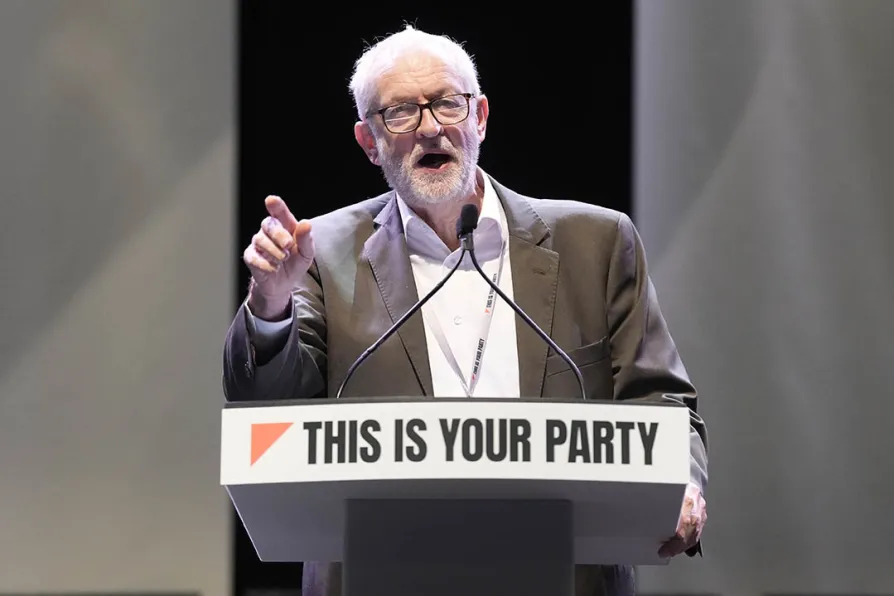
Your Party can become an antidote to Reform UK – but only by rooting itself in communities up and down the country, says CLAUDIA WEBBE
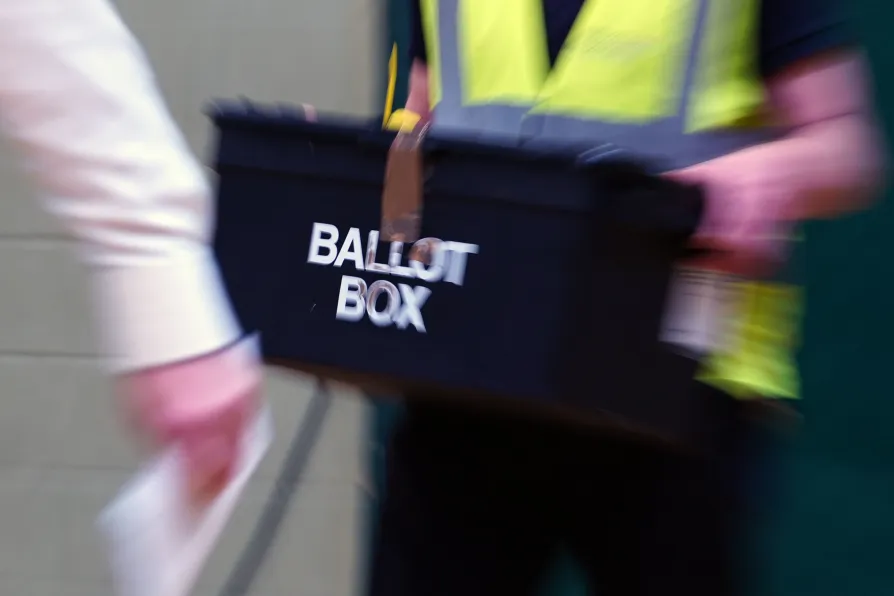
In the run-up to the Communist Party congress in November ROB GRIFFITHS outlines a few ideas regarding its participation in the elections of May 2026
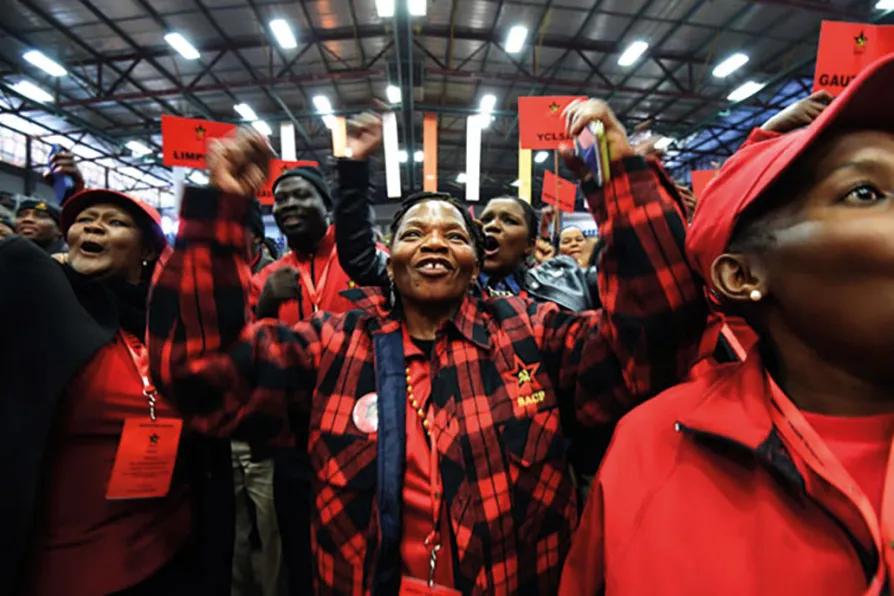
The shared path of the South African Communist Party and the ANC to the ballot box has found itself at a junction. SABINA PRICE reports
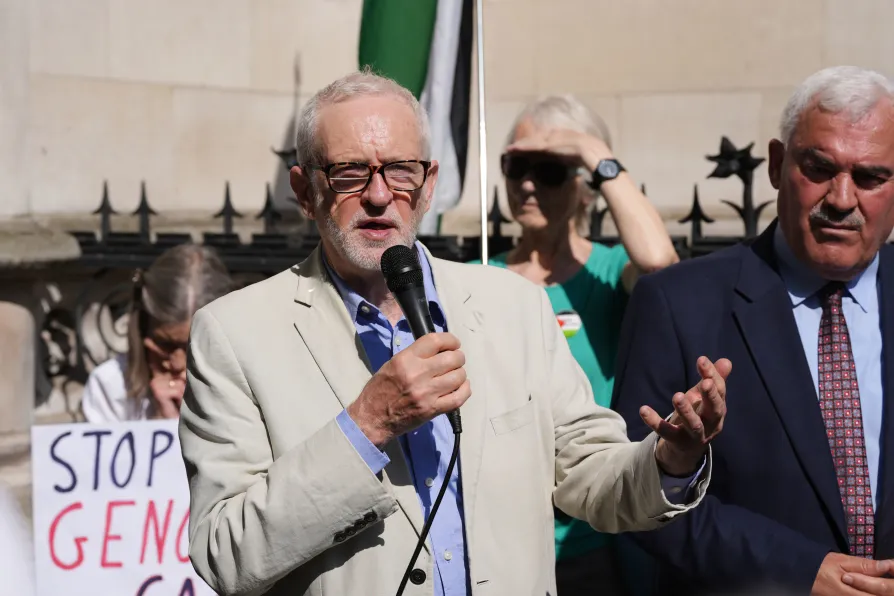
While Reform poses as a workers’ party, a credible left alternative rooted in working-class communities would expose their sham — and Corbyn’s stature will be crucial to its appeal, argues CHELLEY RYAN