ROB WARZYNIAK wades knee deep through a pile of ‘dead canaries’ of Trumpist policies which exacerbated the horrors of US capitalism domestically


 Latest editorial

Defending the rule of law
ANSELM ELDERGILL explains why the rule of law is fundamental to our liberty and welfare


Without evidence or Nato consultations Berlin’s answer to the Leipzig incident is a rupture of relations. SEVIM DAGDELEN examines why
FRANCISCO DOMINGUEZ introduces the background to a conference on defending Latin America’s sovereignty
The glacier collapse in Nepal is yet another warning that a warming planet is making Himalayan disasters more frequent and destructive – but the countries facing the greatest risks are often those least responsible, says LI YANG
Nick Blair is set to benefit from a hugely lucrative contract to ‘virtually’ train the British army for its next war. Like father, like son, writes SOLOMON HUGHES
Even when tragedy strikes, Western media cannot resist the opportunity to turn it into a sordid propaganda opportunity, as the Nepal-China border tragedy shows, writes CARLOS MARTINEZ
Trade unions should be at the heart of the anti-racist push for reparations for the historic legacy and continuing impact of slavery, writes ROGER McKENZIE





AUTHORITARIAN politicians such as Donald Trump, Benjamin Netanyahu, Vladimir Putin, Nigel Farage and Rupert Lowe hope to persuade us that the political and social ills of contemporary society are attributable to an excessive regard for rules of law, individuality and autonomy. These values are in fact the cornerstones of our society and way of life; erode them and it will not be long before the liberty of everyone is threatened.
All of the liberal democracies that make up the Council of Europe acknowledge the importance of the individual and the rule of law (liberalism), and the need for member states to be governed according to the will of the people (democracy). The great majority of Britons are liberal democrats in this constitutional sense, be they conservatives, liberals, socialists or greens in political terms. The rule of law is the foundation stone.
According to Professor David M Walker, the rule of law “implies the subordination of all authorities, legislative, executive, judicial, and other to certain principles which would generally be accepted as characteristic of law, such as the ideas of the fundamental principles of justice, moral principles, fairness and due process. It implies respect for the supreme value and dignity of the individual.
“In any legal system it implies limitations on legislative power, safeguards against abuse of executive power, adequate and equal opportunities of access to legal advice and assistance and protection, proper protection of the individual and group rights and liberties, and equality before the law … It means more than that the government maintains and enforces law and order, but that the government is, itself, subject to rules of law and cannot itself disregard the law or remake it to suit itself.”
The hallmarks of a healthy liberal democracy founded on the rule of law are:
Individuality: Society is made up of individuals, and each individual has distinctive feelings, personal goals, traits, habits and experiences. Variety is of the essence of the human race, not a passing condition.
Autonomy: Because this is so, most individuals wish to determine and develop their own interests and course in life.
Liberty: The existence of a private sphere of action, free from public coercion or restraint, is indispensable to that minimum independence which everyone needs to develop as an individual.
Responsibility: The autonomous individual is responsible and liable for acts autonomously done.
Tolerance: A liberal state accepts that individuals have many different individual beliefs about the meaning and purpose of life, and is pluralistic.
Freedom of thought and expression: Individual (and also, therefore, social) development requires that each person is free to develop and express their thoughts. Coercion is counterproductive over the long-term, since truth emerges from free debate with falsehood.
Social justice: Freedom of choice is only meaningful if individuals have opportunities and options to choose from.
Compassion: The importance of each individual life necessitates caring for individuals in need of care.
Restraint: Governments of individuals exist to serve the needs and interests of the individuals they represent. The destruction of these rights by individuals in positions of authority in order to build one universal self-directing human society — of everyone marching towards the same rational ends — destroys that area for individual choice without which life does not seem worth living.
These are important principles for which many citizens gave their lives in war. They are now under threat from the far right, but also from the Labour Party’s unthinking defensive response to the far-right agenda.
The current government’s shredding of our respected jury system, repressive anti-protest laws and misuse of anti-terrorism legislation, proscription of Palestine Action and National Security (State Threats) Bill are just some examples.
The first duty of any judge is to defend the rule of law and the liberties of the people. However, the constitution of our judiciary sometimes makes this difficult.
Seventy years after Henry Fairlie coined the term “Establishment,” and observed that in England power is exercised socially, the English judiciary remains largely the preserve of public school men and women and the bar. This omission has significant repercussions in terms of judges’ decisions, rules and procedures. It also affects how the justice system is perceived by those not established in positions of privilege, influence or power, such as the many people who experience significant social exclusion and economic disadvantage.
The immediate focus needs to be on protecting the existing right to trial by jury and reforming how judges are appointed. The Judicial Appointments Commission needs to be abolished and replaced by a body under the aegis of the Law Society and Bar Council. In the medium term, the rule of law and our freedoms can best be protected by rebuilding a proper system of parliamentary democracy, in place of what effectively is executive rule, and by a strict separation of powers along US lines.
Anselm Eldergill was until recently a judge in the Court of Protection. He is a solicitor and an Honorary Professor at Queen’s University Belfast.

Similar stories

ANSELM ELDERGILL looks at the legality of the wars in the Middle East and the means used to fight them. It is said that truth is the first casualty of war, so what is the truth with regard to the legality of America’s and Israel’s wars in Iran, Palestine and Lebanon?
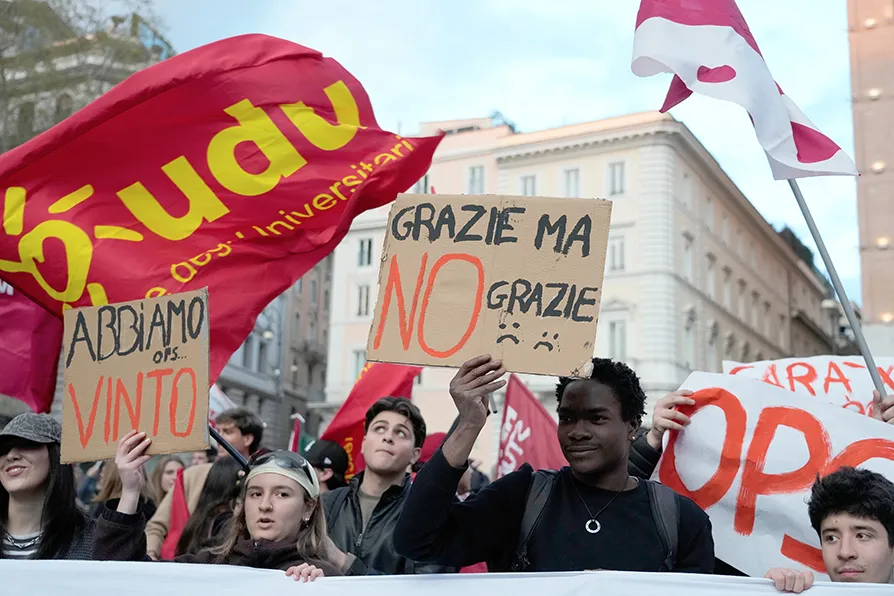
Italians reject controversial judiciary reforms in a referendum that boosts the left, reports NICK WRIGHT

ANSELM ELDERGILL examines the difficulties surrounding freedom of expression
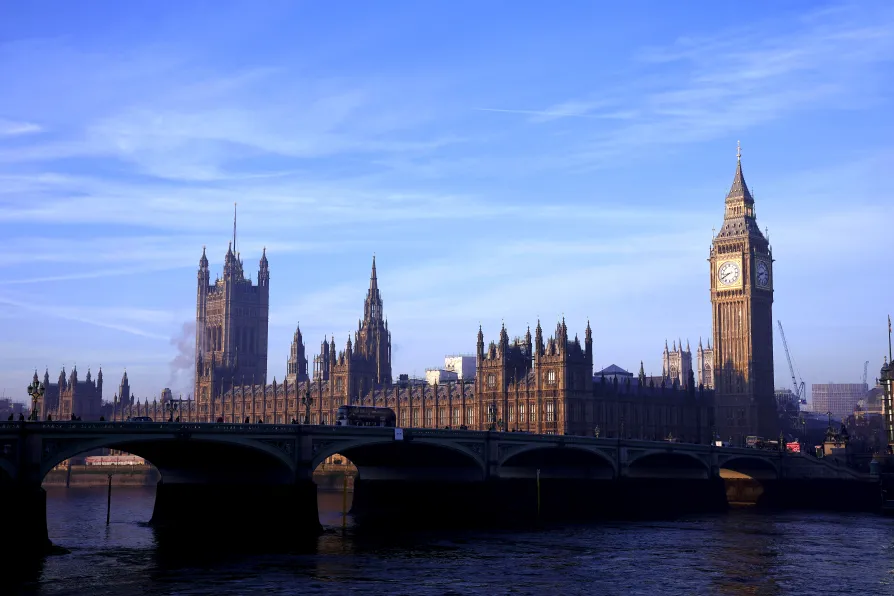
ANSELM ELDERGILL is a member of Your Party and he suggests how the new party should reform Britain’s constitution