


 A woman showing signs of depression (picture posed by a model)
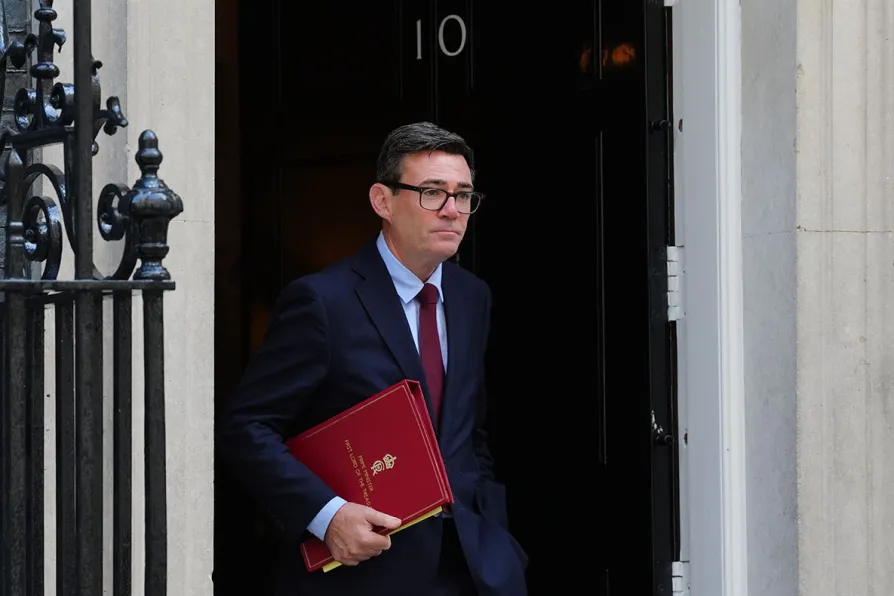





STRIP clubs are “sexist, racist and classist” and authorities across Britain are failing in their equality duties by licensing them, according to a major new report today.
In its “Life near Strip Clubs: Women’s Voices from UK Cities” report, women’s liberation charity Filia examined the experiences of more than 700 women across Manchester, Edinburgh and Cardiff around so-called “sexual entertainment” venues.
Just 8 per cent supported their existence compared to 55 per cent against, while women in Edinburgh and Manchester reported walking on the road to avoid men spilling out of the clubs, being forced to cross busy roads or take alternative routes.
One survivor of domestic abuse, whose partner’s fixation on pornography and strip clubs escalated into serious violence including strangulation, and who still lives near the Cardiff clubs said: “I can’t escape it.”
The paper, authored by Dr Laura Favaro, calls on licensing authorities to live up to equalities obligations, and demands UK and Scottish governments ensure national policy take cumulative harms it details into account, and pursue the closure of the venues “alongside sustained, well-resourced support and viable alternative pathways for women currently working in them.”
Pointing out the venues “make women feel unsafe, watched, threatened,” Filia co-founder and CEO, Lisa-Marie, said: “Sexual exploitation venues are part of the wider patriarchal apparatus.
“They are sexist, racist and classist. This is not entertainment. It is exploitation. It is male violence against women.
“It is structural, cumulative, everyday harm that extends to all women, licensed by the state and renewed year after year on a seemingly rolling basis.
“As one respondent put it, ‘It’s misogynistic, we need to do better by women’.”
The Scottish government told the Morning Star: “Ministers are clear that, as set out in the Equally Safe Strategy, commercial sexual exploitation is a form of violence against women.
“Decisions on licensing sexual entertainment venues rest with local authorities who have the power to set the number of licences granted to zero, which is an effective ban.
“Our actions to tackle violence against women and girls includes investing almost £46 million through the Delivering Equally Safe Fund over 2026-2028.”
The Home Office was contacted for comment.

Our priority must be to defend hard-won protections while linking equality law to trade union power and wider social transformation, says MARY DAVIS, on behalf of the Women’s Liberation Alliance
Legal frameworks designed to safeguard women are too often weaponised against them, reinforcing male power and entrenching injustice. The FiLiA Ending MVAWG Team highlight some of the issues
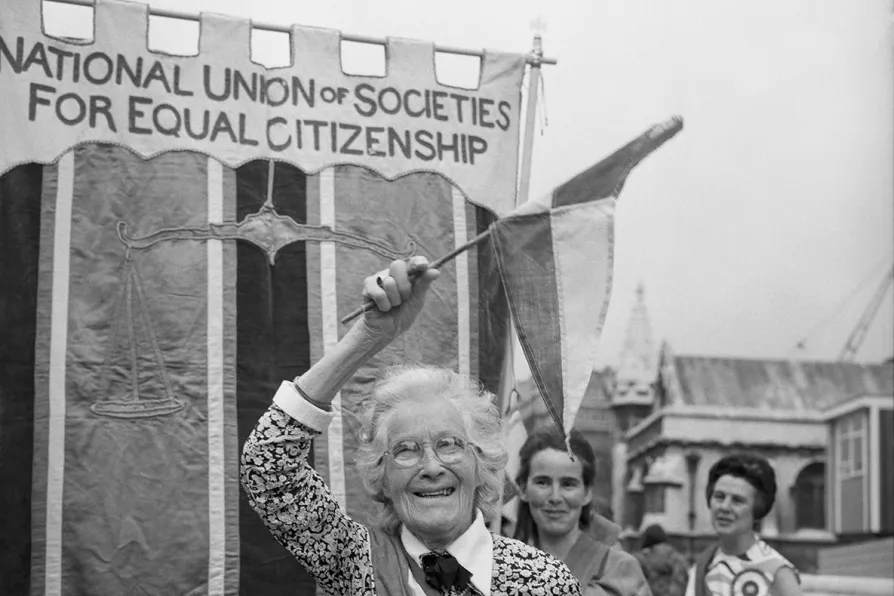
Half a century after transformative laws reshaped Britain, women’s rights are again contested. This International Women’s Day is a call to remember how change was won, and to organise to defend it, says KATE RAMSDEN
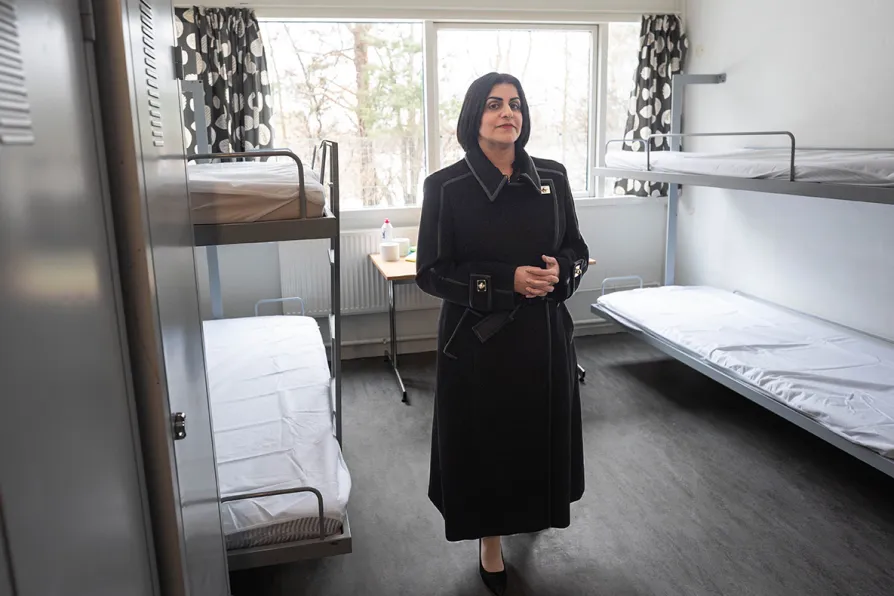
The government’s new immigration proposal risks creating a society where rights are earned, not guaranteed, warn feminist groups Project Resist and FiLiA in a joint statement