

 Latest editorial

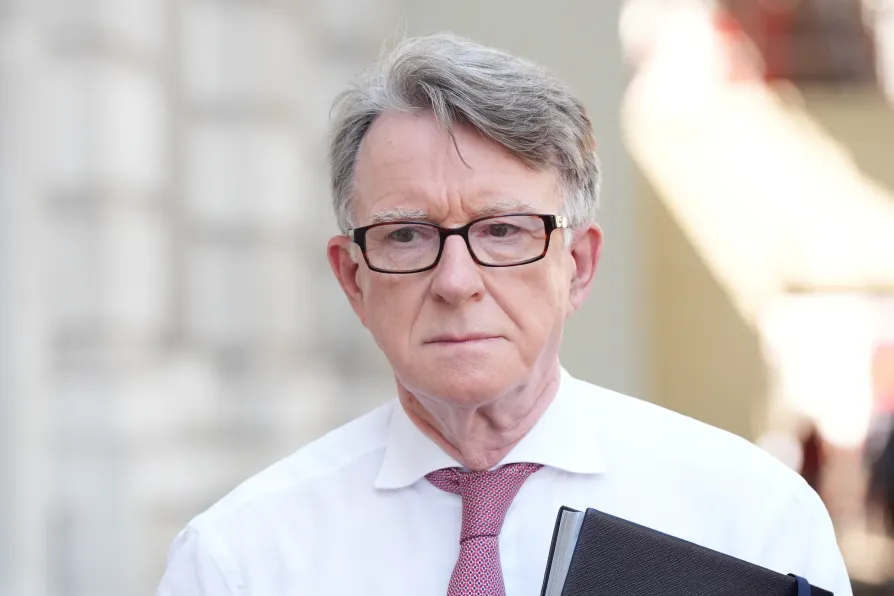 The then UK Ambassador to the US, Peter Mandelson arriving at the Cabinet Office in central London, June 18, 2025





ANGRY MPs demanded the clique controlling the Labour Party be cleared out today as further details of disgraced Peter Mandelson’s appointment as ambassador to Washington were made public.
These included the revelation that the grasping peer had demanded a payout of half a million pounds after PM Sir Keir Starmer sacked him last September, after the extent of his connections to paedophile financier Jeffrey Epstein emerged.
In the end he received £75,000 of taxpayers’ cash, a move denounced by MPs across the Commons as the first tranche of official documents relating to the scandal were released.
Mr Mandelson, who has resigned from the House of Lords and the Labour Party, has been arrested by the Metropolitan Police on suspicion of misconduct in public office.
He denies all wrongdoing and has insisted that he never acted for personal financial gain.
Mr Mandelson was sacked as ambassador to the US last September as details of his relationship to Mr Epstein were exposed by the US government, just a few months after his appointment.
Downing Street chief secretary Darren Jones told MPs that Mr Mandelson had lied to the Prime Minister, who very much regretted the decision to appoint him.
Socialist Campaign Group secretary Richard Burgon asked: “How did it even get to the stage where the Prime Minister was interviewing Mandelson and considering him for this job?
“The simple answer is political. It’s because it suited the interests of a tiny faction in the Labour Party.”
Liverpool Labour MP Ian Byrne called the move a “catastrophic error of judgement” due to the “clique at the top of the party as we have seen with the Morgan McSweeney and Labour Together scandal,” which he demanded be probed.
Papers released by the government show that concerns regarding the wisdom of the decision to send the New Labour grandee to Washington were brushed aside by Mr McSweeney, then the Prime Minister’s closest adviser and a factional protege of Mr Mandelsdon.
He too has been forced from office by the scandal.
Former Labour leader Jeremy Corbyn said that he found “the faux outrage over Mandelson really astonishing” since he had been closely involved in the Labour leadership since the days of Tony Blair.
Sir Keir “must have known of his character, must have known what he was like,” Mr Corbyn added.
Norwich Labour MP Clive Lewis said the appointment reflected “a wider rotten political culture, a 30-year project where proximity to wealth and power isn’t a means to an end, it is the end goal. That’s what Peter Mandelson represented.
“This isn’t just about one bad set of decisions, it’s about a political culture that he represents [which] is destroying mainstream party politics in this country,” he added.
Steve Witherden, Labour MP for Montgomery, pointed out that “Mandelson’s avarice and malign influence in the Labour Party was why he was made ambassador and why he was useful to Epstein.”
Green Party leader Zack Polanski said that the “files confirm that Mandelson’s malign influence runs through this Labour government. Starmer knew exactly the choice he was making when he appointed him. He has to go.”
Mr Jones told MPs that the government had not wanted to give Mr Mandelson “a single pound” after he was sacked but the ex-ambassador had threatened to go to an employment tribunal, which might have cost the taxpayer more.
Labour MP and employment law expert Justin Madders ridiculed this argument, telling MPs that he “struggled to understand why we should pay a single penny” given that he had clearly lied during the interview process.
Mr Mandelson was apparently asked three questions at the time of his appointment concerning his relationship with Mr Epstein after the latter’s 2008 conviction for child sex offences in the US.
What answers he made are among the documents presently withheld at the insistence of the police for fear of compromising their investigations into him.
The documents released reveal that No 10 national security adviser Jonathan Powell raised concerns about Mr Mandelson’s reputation directly with Mr McSweeney, who blandly said “the issues had been addressed.”
Those issues included Mandelson staying at Mr Epstein’s New York House after the latter’s conviction. Another reputational risk was Mr Mandelson’s promotion of Reform leader Nigel Farage as a possible go-between with the Trump administration.
Mr Powell found the appointment to be “unusual” and “weirdly rushed,” while the top official at the Foreign Office at the time also had reservations. Sir Keir ignored them all.
