
ROB WARZYNIAK wades knee deep through a pile of ‘dead canaries’ of Trumpist policies which exacerbated the horrors of US capitalism domestically


Christianity and socialism have more in common than you might think
TOMASZ PIERSCIONEK explores the overlaps between the ideas of Christ and Karl Marx in seeking a better world for the poor and downtrodden
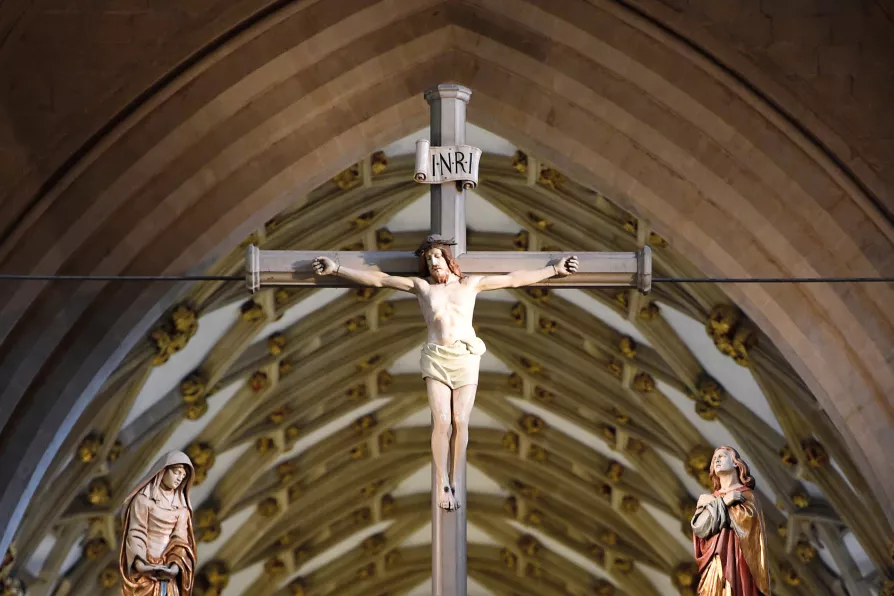
 GIVING PRAISE: General view of a crucifix in the scissor arches of Wells Cathedral

Without evidence or Nato consultations Berlin’s answer to the Leipzig incident is a rupture of relations. SEVIM DAGDELEN examines why
FRANCISCO DOMINGUEZ introduces the background to a conference on defending Latin America’s sovereignty
The glacier collapse in Nepal is yet another warning that a warming planet is making Himalayan disasters more frequent and destructive – but the countries facing the greatest risks are often those least responsible, says LI YANG
Nick Blair is set to benefit from a hugely lucrative contract to ‘virtually’ train the British army for its next war. Like father, like son, writes SOLOMON HUGHES
Even when tragedy strikes, Western media cannot resist the opportunity to turn it into a sordid propaganda opportunity, as the Nepal-China border tragedy shows, writes CARLOS MARTINEZ
Trade unions should be at the heart of the anti-racist push for reparations for the historic legacy and continuing impact of slavery, writes ROGER McKENZIE





THE relationship between religion and Marxism has historically been an antagonistic one, with the former (at least with respect to its hierarchy) typically siding with the interests of the ruling class.
Organised religion helped legitimise and strengthen the position of society’s elites by espousing ideas that justified inequality as God’s will or which promised the poor and downtrodden a reward in the afterlife.
Such heavenly promises served to mollify proletarian resentment about their earthly oppression while duping them into accepting the status quo as part of a divine being’s master plan. Karl Marx wrote: “Religion is the sigh of the oppressed creature, the heart of a heartless world, and the soul of soulless conditions. It is the opium of the people.”

Similar stories
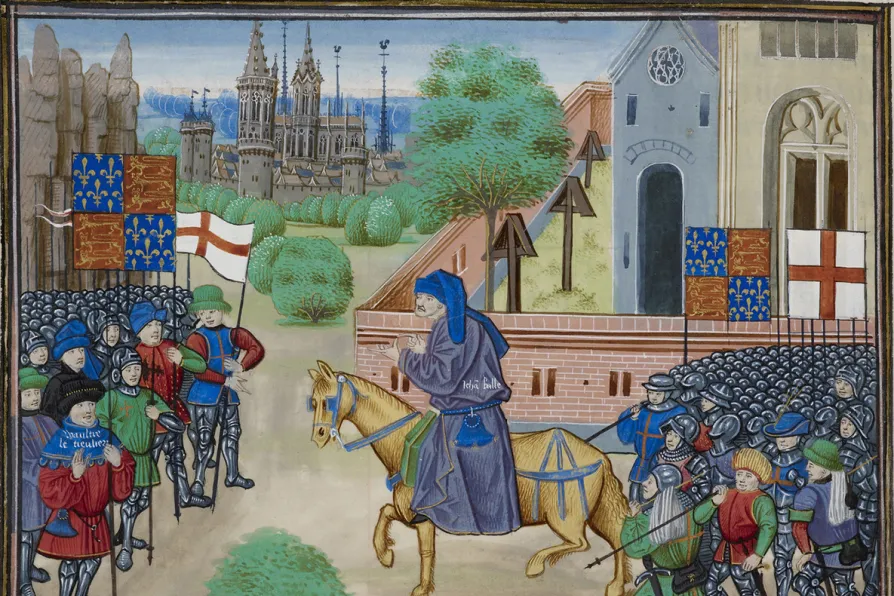
Class struggle is the motor of history but the direction and detail of change at any time and place is the outcome of many factors, suggests the Marx Memorial Library and Workers’ School
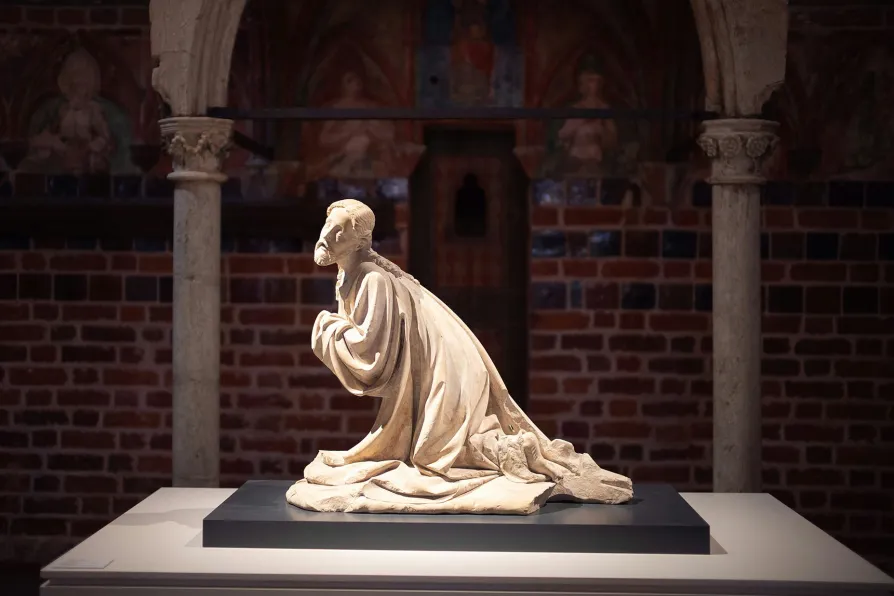
MAT COWARD explains how in the 17th century a row over whether to kneel at communion became a battle over religion, class and royal power

TOMASZ PIERSCIONEK is intrigued by a the changing significance of its vast areas of forest to Russia’s history

BEN CHACKO welcomes a masterful analysis that puts class struggle back at the heart of our understanding of China’s revolution