
PETER MASON applauds the revival, 39 years later with the same team and cast, of Manfred Karge’s version of Brecht’s 100-year-old play, Mann Ist Mann

The Black Square of contention
ANGUS REID argues that what might have been impersonal for Kazimir Malevich has had a profound practical application for artists who embraced the October Revolution
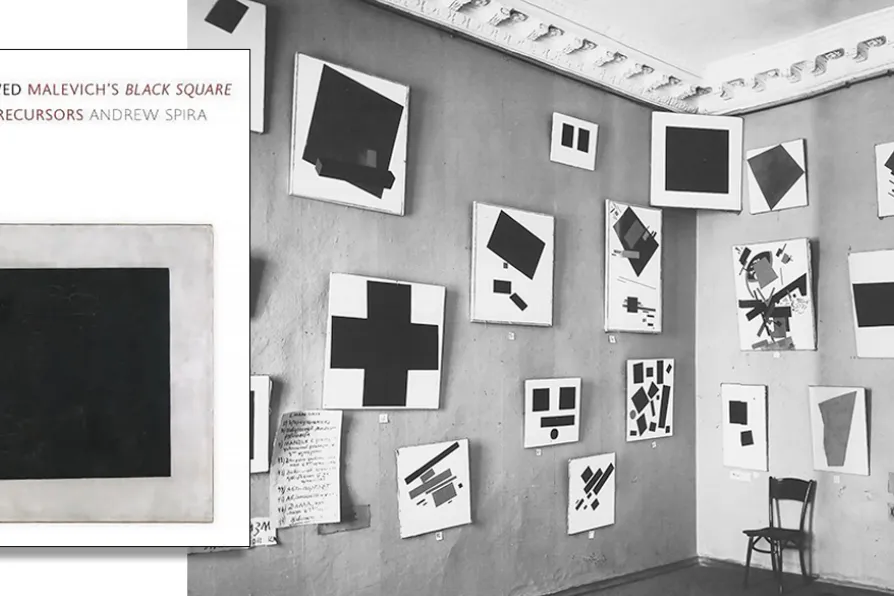
 A section of Suprematist works by Malevich exhibited at the 0,10 Exhibition, Petrograd, 1915
[Public Domain]
A section of Suprematist works by Malevich exhibited at the 0,10 Exhibition, Petrograd, 1915
[Public Domain]
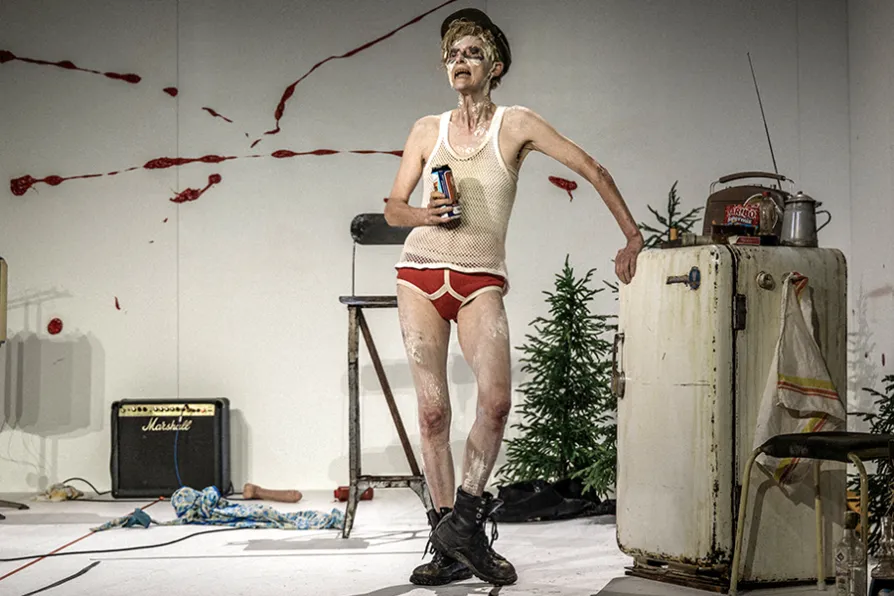
MAYER WAKEFIELD applauds a fearless attempt to bring to the stage the 1984 toxic gas disaster in Bhopal, India
ALEX HALL applauds the account of a dogged, traumatic and punishing campaign for justice that has lasted from 1998 to the present day
NICK WRIGHT laments the political bias of an epic attempt to tell the history of the liberation of France from the Nazis, that excludes both the decisive contribution of the Soviet Red Army, and of the French communist party itself
JOE GILL traces the ideology and method of contemporary imperialism back to the greed, hubris and violence of the late 15th century Portuguese





Foreshadowed: Malevich’s Black Square and its precursors
by Andrew Spira
Reaktion Books £16.95
ANDREW SPIRA must be an inspiring art history lecturer. His book on Malevich unfolds as much as a visual argument as a verbal one and is recounted in one breath, as it were, without chapters or headings.
And you feel the canny strategies of a scholar playing to an audience of students.
He opens by asserting that Black Square, 1915, changed art and introduced monochrome painting as a genre that remains “an avant-garde right of passage.” Yet his argument will show the opposite — many images that came before and employ black squares from 17th-century Ethiopian Christian miniatures, to optical experiments, comic novels, cartoons, acts of censorship and the original anarchist flag.

Similar stories
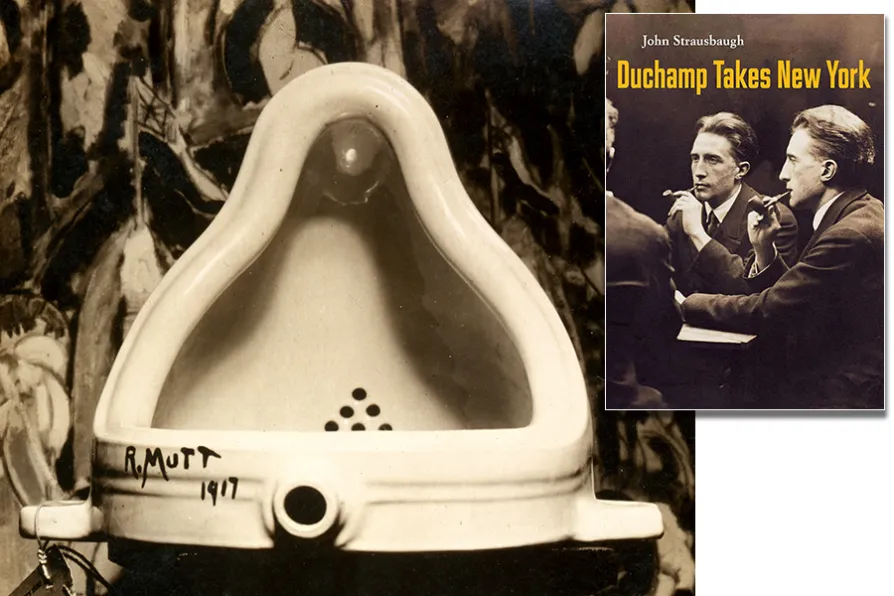
ANDY HEDGECOCK relishes an enlightening and witty biography of one of the 20th century’s most restless and influential artists
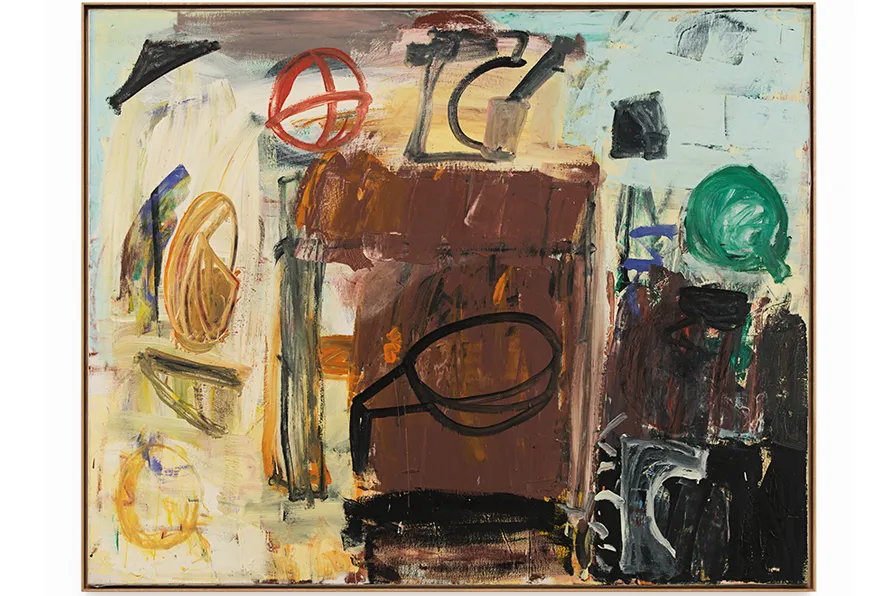
MIRANDA RICHMOND relishes the gloriously liberated art of Roy Oxlade, and traces his method back to the thinking of David Bomberg, his acknowledged teacher
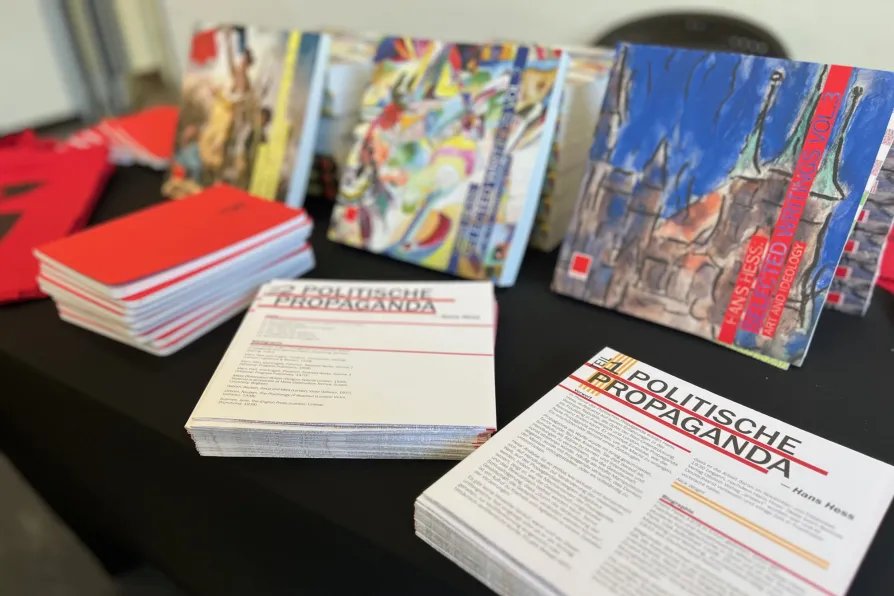
CHRISTOPHE IMMER of the Morning Star’s German sister paper Junge Welt reports on a Berlin conference on the politics of art and the legacy of Marxist critic Hans Hess
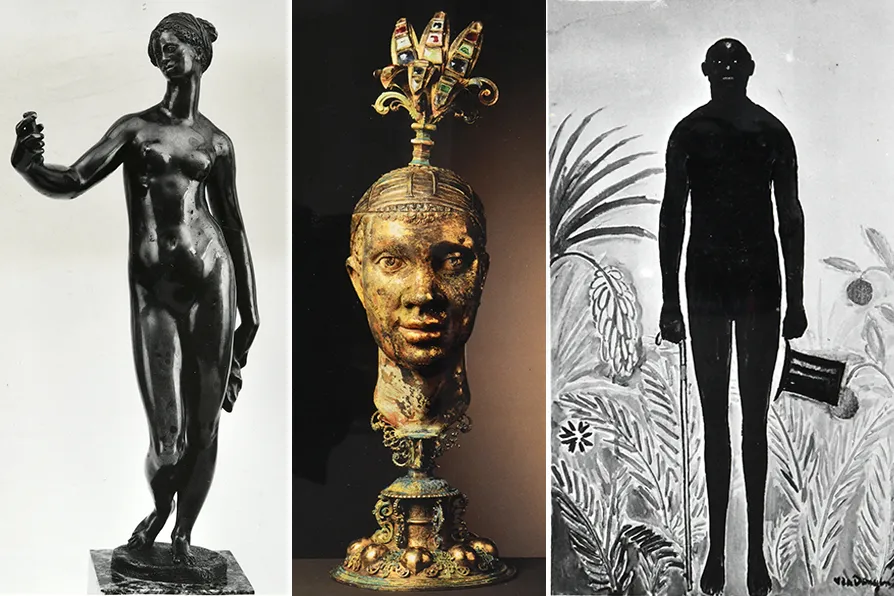
KEVIN DONNELLY accepts the invitation to think speculatively in contemplation of representations of people of African descent in our cultural heritage