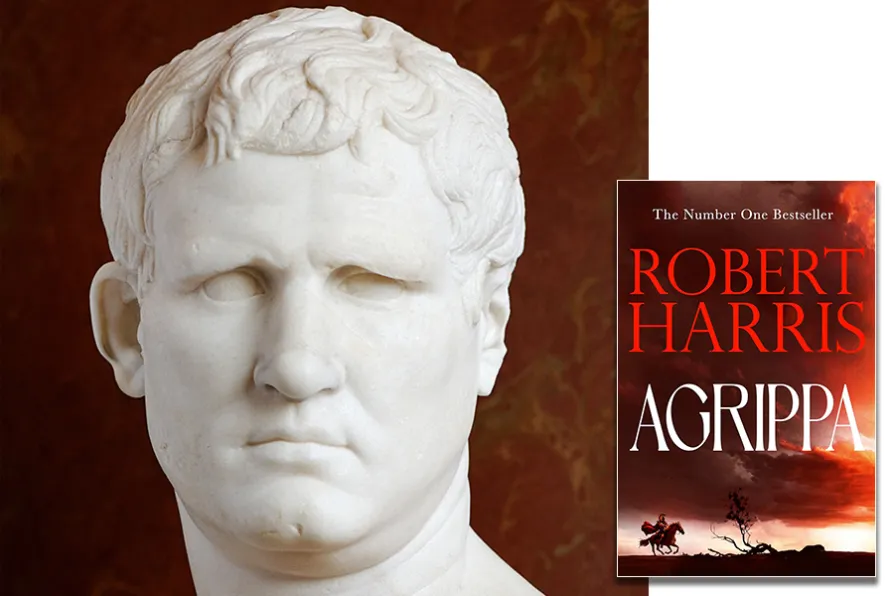
CATHERINE STEEL relishes a compelling novel about Augustus’s right hand man, but misses the politics, the cultural shifts, and more detail about his restoration of Rome


 Latest editorial

The Abbasid Caliphate: A History
Illuminating account of the most influential force in the Muslim world from the eighth to the 13th centuries
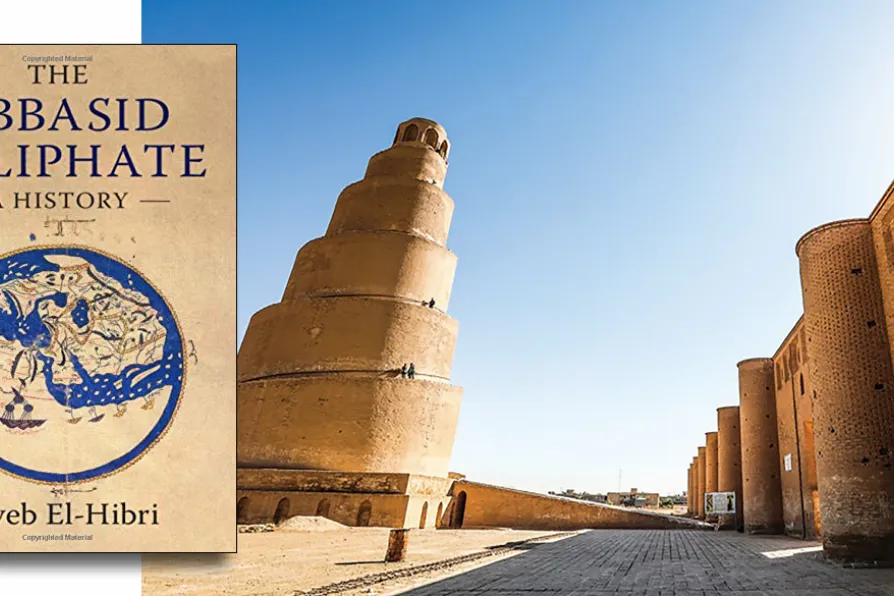 GLOBAL FIRST: The Great Mosque of Samarra, completed in 851 by the Abbasid caliph Al-Mutawakkil, was at the time the world’s largest
TONY BURKE speaks to JOEL McIVER, co-author of the biography of bluesman John Mayall
A misfit couple unhappily ever after, a dead man walking, dodgy journos, and trench art trucking
New releases from Javon Jackson, IZE Trio, and Mal Waldron Trio
PAUL DONOVAN applauds an intriguing multi-layered depiction, dominated by a stunning impersonation of Marilyn herself
EWAN CAMERON marvels at the impossible ambition, realised with dreamlike finesse of translating Italo Calvino to the stage





WHY should anyone so much as glance at this academic, albeit fairly abbreviated, history of a religious-political entity which ceased to exist hundreds of years ago?
That’s a question addressed by Tayeb El-Hibri in this scholarly evaluation of the Abbasid dynasty and, in so doing, he constantly emphasises the valuable insights to be gleaned from such a study and the contemporary geopolitical relevance of the caliphate concept.
It is fair to say that a number of present-day Islamic and Islamist movements draw inspiration from the Abbasid caliphate as much as their reductionist view of the foundation society under the Prophet Mohammed.

Similar stories
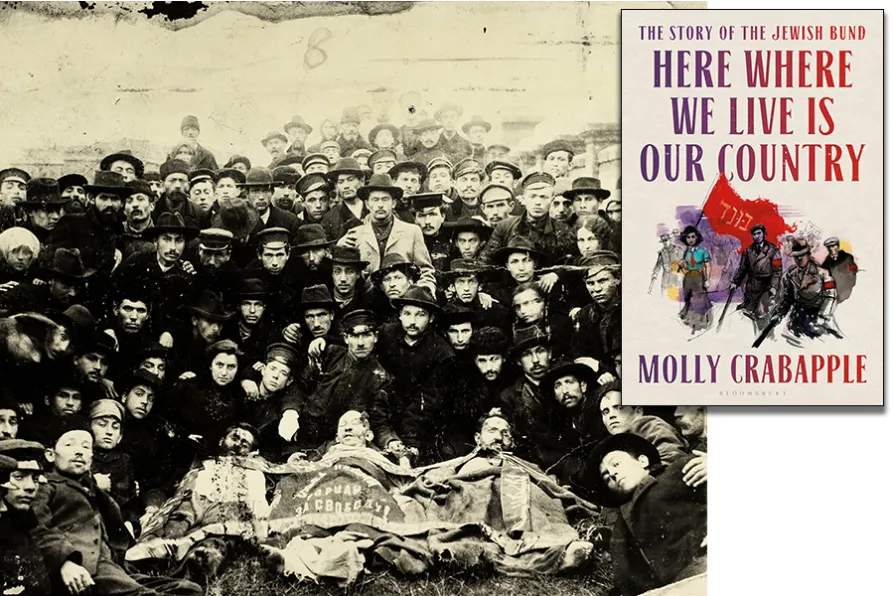
ALEX HALL welcomes a history of the Bund, and its emphatic demand for working-class solidarity across racial and ethnic difference

BEN CHACKO unpicks the significance of the discovery, in 2015, of ancient texts about Confucius. Was he simply a teacher, or a philosopher, statesman and saint?
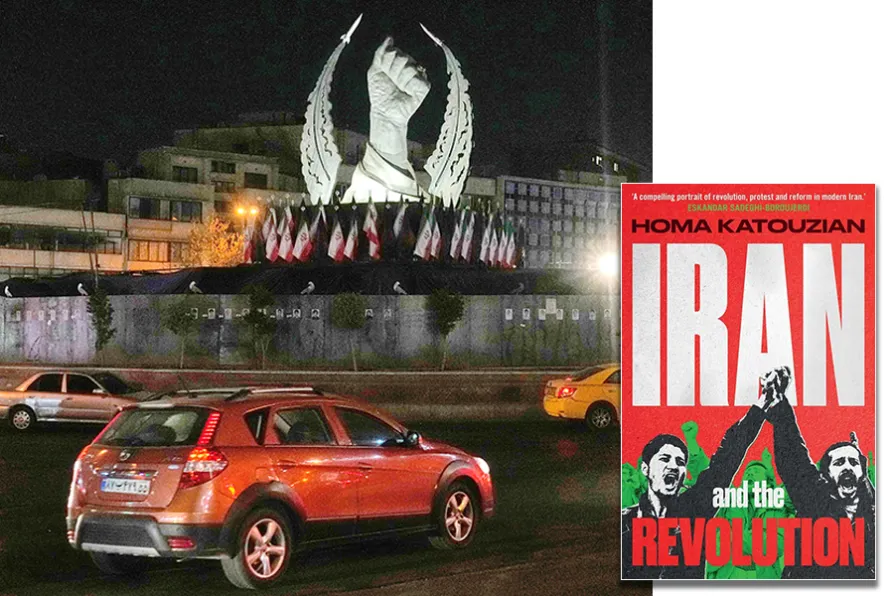
BRENT CUTLER searches a new history of contemporary Iran for an understanding of the Islamic Republic, finding both interesting detail and glaring omissions
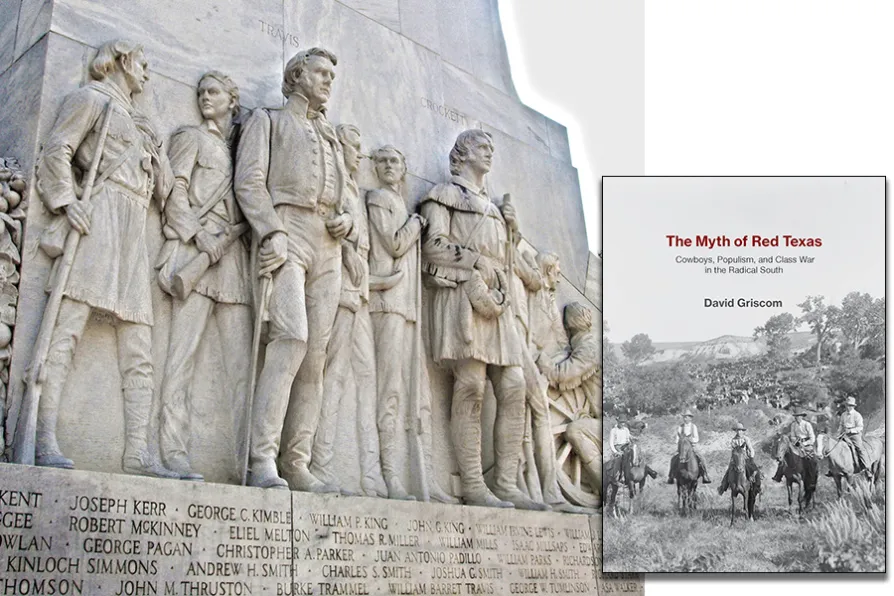
KENNY MacASKILL is disappointed by a polemical, rather than factual, account of the Lone Star State and its political path since the civil war