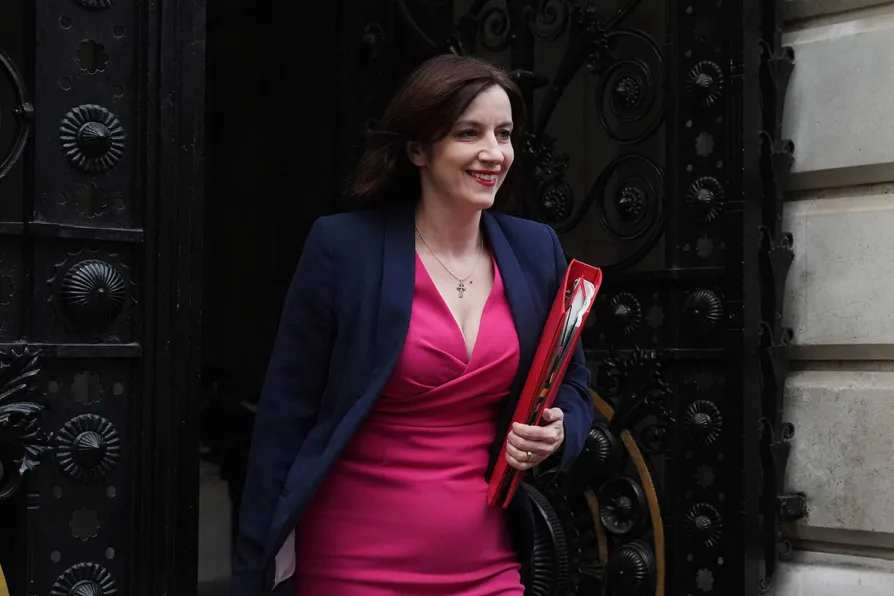
 Equalities Minister Bridget Phillipson arrives for a Cabinet meeting in Downing Street, London, September 15, 2026






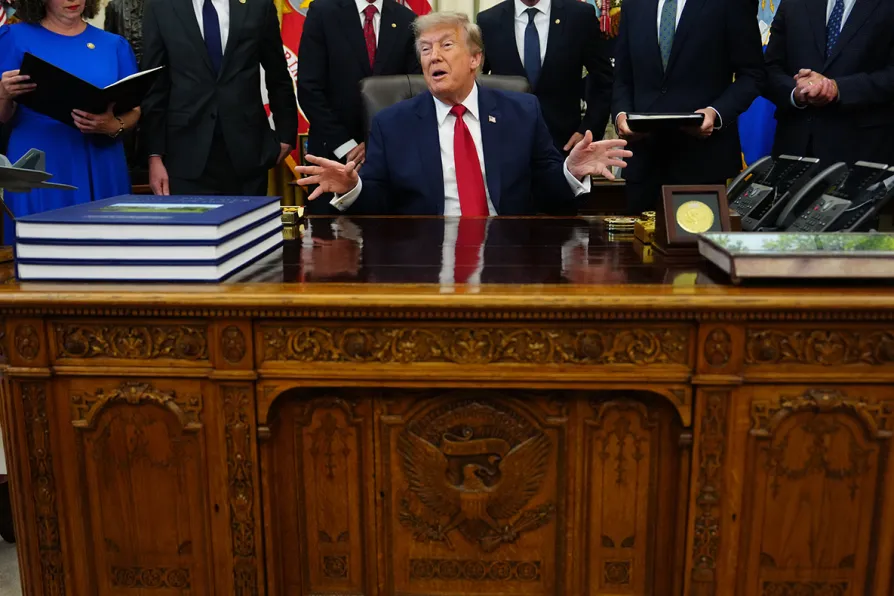
LABOUR chair Bridget Phillipson warned today that Donald Trump’s war with Iran will bring “very real challenges” to next month’s Budget.
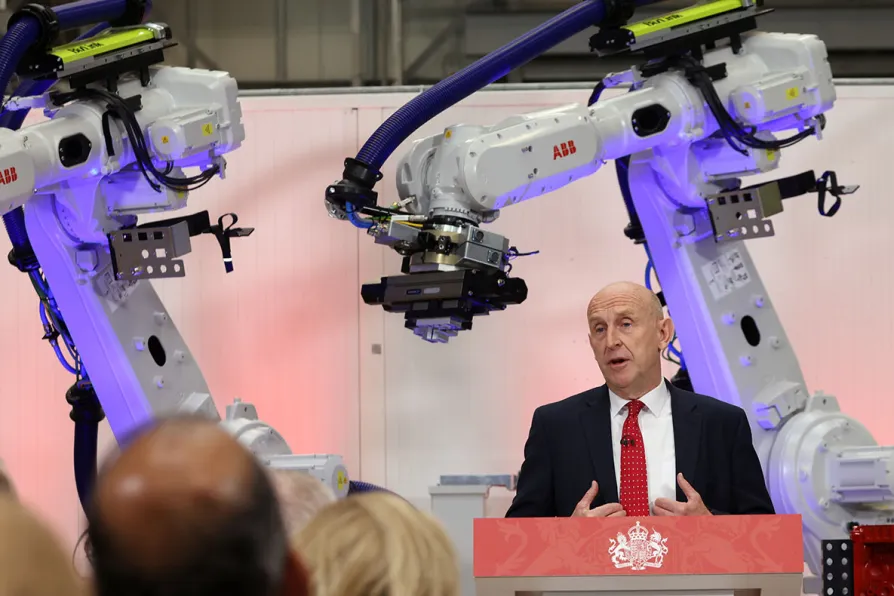
The cabinet minister said the US president’s military campaign has caused significant inflationary pressures and would make life more difficult for Chancellor John Healey.
She said the economy was “in a strong position” but that there are “very real challenges” with the conflict in the Middle East and its impact on businesses and families in Britain.
Speaking to Sky News, the women and equalities minister said: “We do see the consequences here at home and as we go into the Budget.
“I know it’s at the forefront of the chancellor’s mind as he’s planning for that Budget later on next month.”
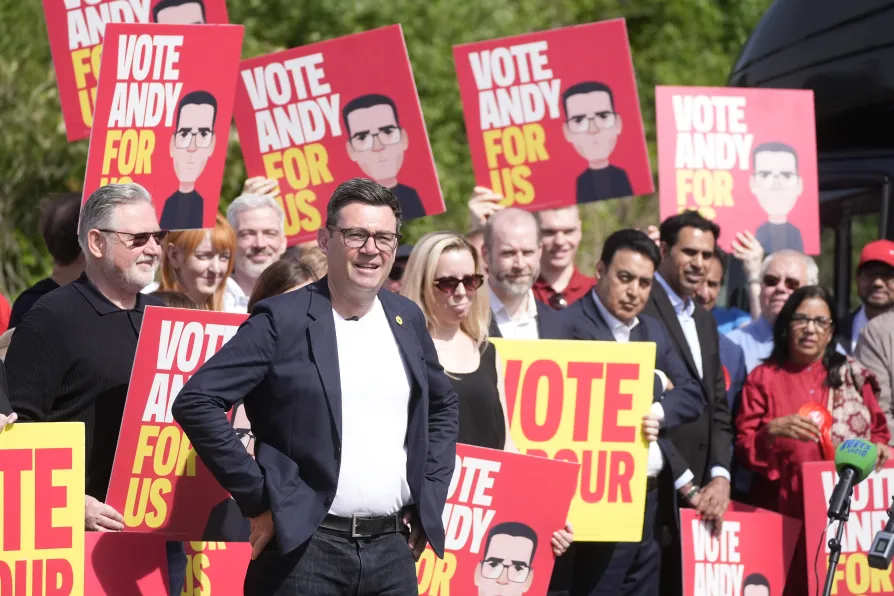
Prime Minister Andy Burnham has also conceded that October’s Budget will be “challenging.”
He is preparing his first meeting with Trump at the UN general assembly in New York this week, where the Iran war is expected to be a key topic of discussion.
The SNP’s Commons leader Dave Doogan raised fears on Saturday that Labour is “softening people up” as Britain faces “another brutal Budget.”
He said: “People will rightly be thinking that they are living through a bad case of Westminster deja vu.
“Keir Starmer promised ‘change’ and things went from bad to worse. Andy Burnham promised ‘hope’ but the cost of living is moving from a crisis into an emergency.
“Instead of developing a plan to put money in people’s pockets — the Labour Party’s sole focus is now softening people up for a Westminster Budget of cuts and tax rises.”
Latest official figures showed inflation reached a five-month high, with Consumer Prices Index (CPI) inflation up to 3.1 per cent in August.
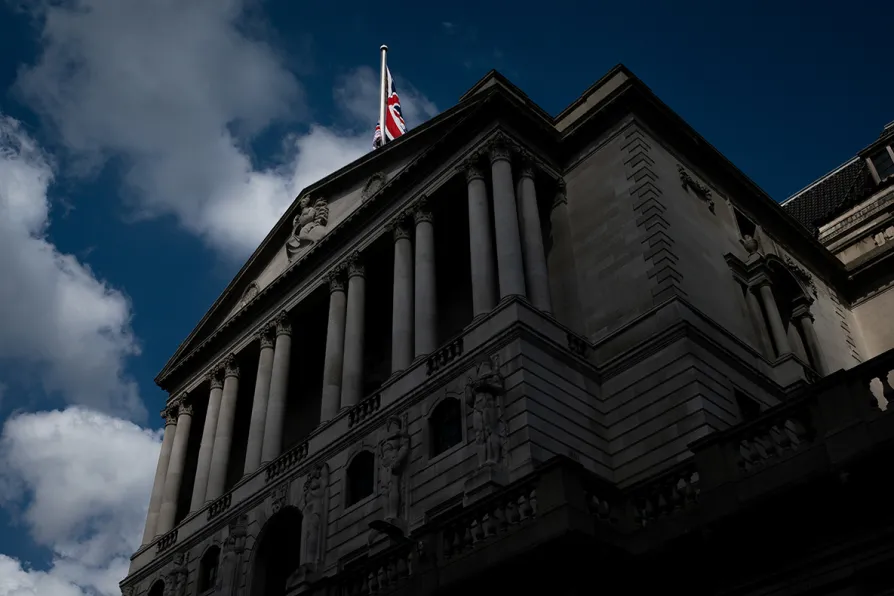
The rise was linked to high petrol and diesel costs, with the Bank of England warning this week that volatile global energy costs could push inflation higher still.
The Labour Party said: “The Chancellor is focused on what matters: giving families and businesses breathing space, backing British jobs and driving growth across the country, while meeting the fiscal rules.
“As ever, any decisions on tax will be set out at fiscal events in the usual way.”