

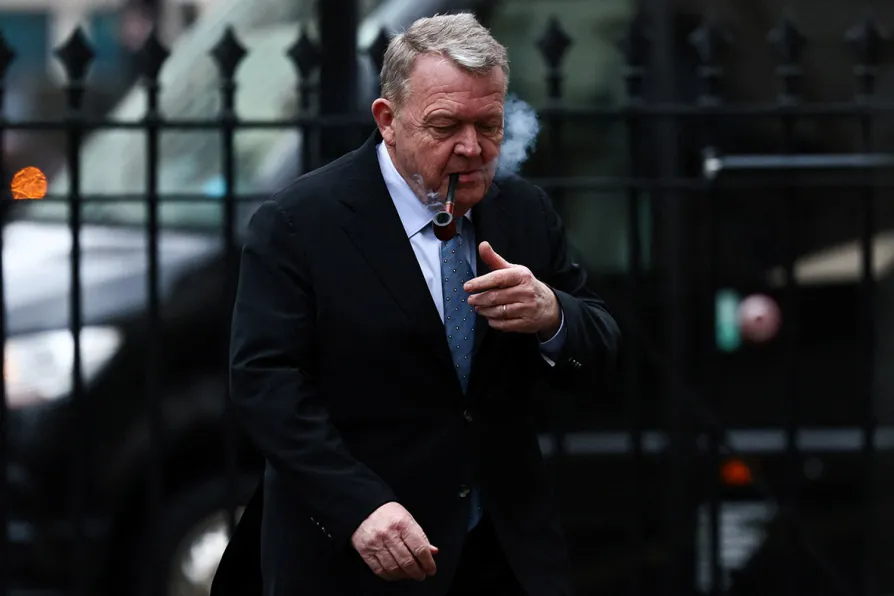
 Denmark’s Foreign Minister Lars Lokke Rasmussen, January 19, 2026





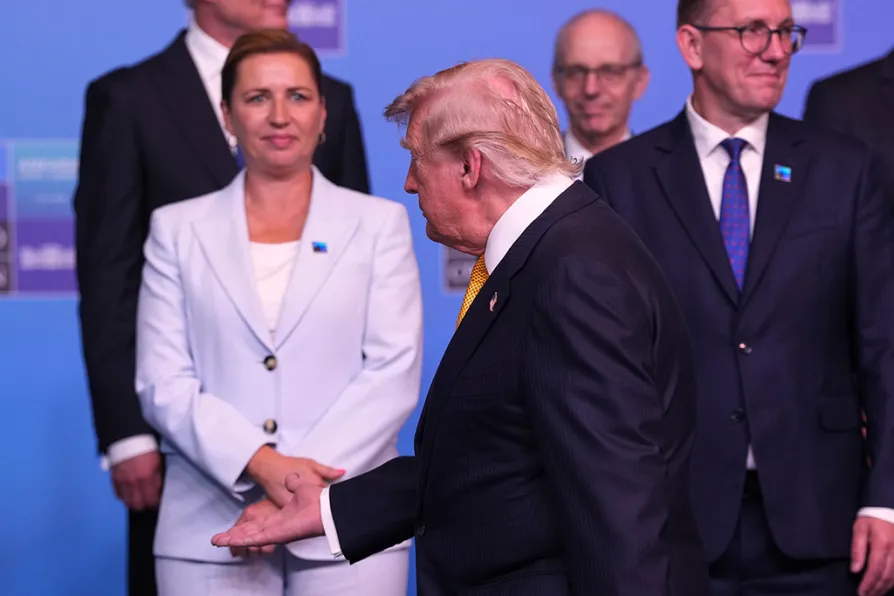
US President Donald Trump’s announcement of a deal to strengthen the US military presence in Greenland while keeping the island under Danish sovereignty received a cautiously optimistic reception from Copenhagen today.
“Next week could be a good week … for Greenland, Denmark and the United States alike,” Danish Foreign Minister Lars Lokke Rasmussen wrote on Instagram.
“A period of uncertainty will hopefully be replaced by a binding agreement that strengthens security in the Arctic and the North Atlantic — and thus also our shared security within Nato and Europe.”
Though the deal’s contents have not yet been made public, it appears likely to resolve the crisis sparked last year by Mr Trump’s demand that Denmark sell Greenland to the US, insisting that it was crucial for his country’s security. He did not rule out using military force to seize Greenland, even though Denmark is a Nato ally of the US.
In a social media post announcing the deal, the president said the agreement “gives the United States permanent control over security, and all other needs, in Greenland, completely addressing ALL of our many US concerns.”
Denmark and the US already have a long-standing security agreement that allows Washington to deploy forces in Greenland and it was not immediately clear what the latest deal would add to that.
Officials from US, Greenland and Denmark negotiated behind the scenes for months before reaching the latest agreement, which Greenlandic Premier Jens-Frederik Nielsen said would benefit “not only our collective security but also the continued development here in the country.”
Speaking on condition of anonymity, a US State Department official said the agreement banned any non-Nato base in Greenland, limited adversaries from investing in Greenland and guaranteed that China and Russia could have a base on the island.

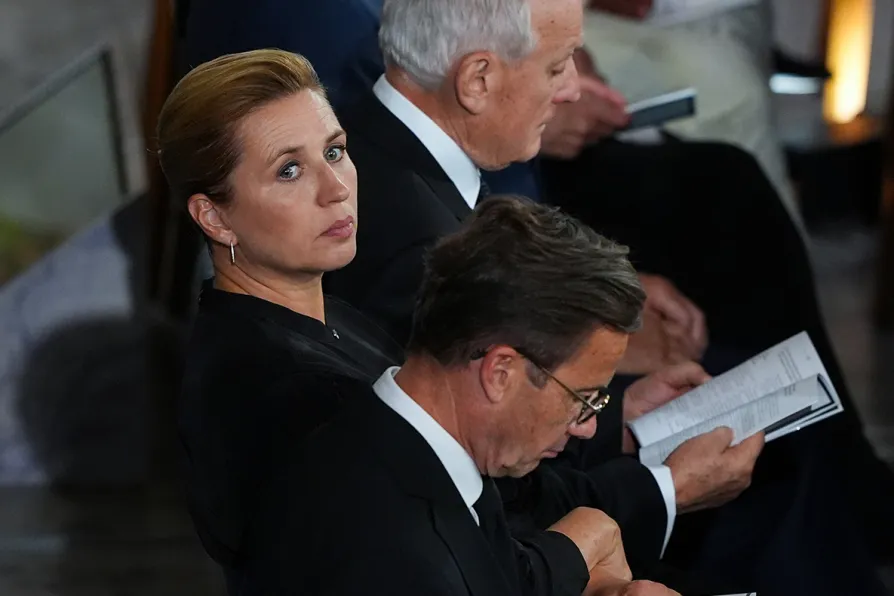
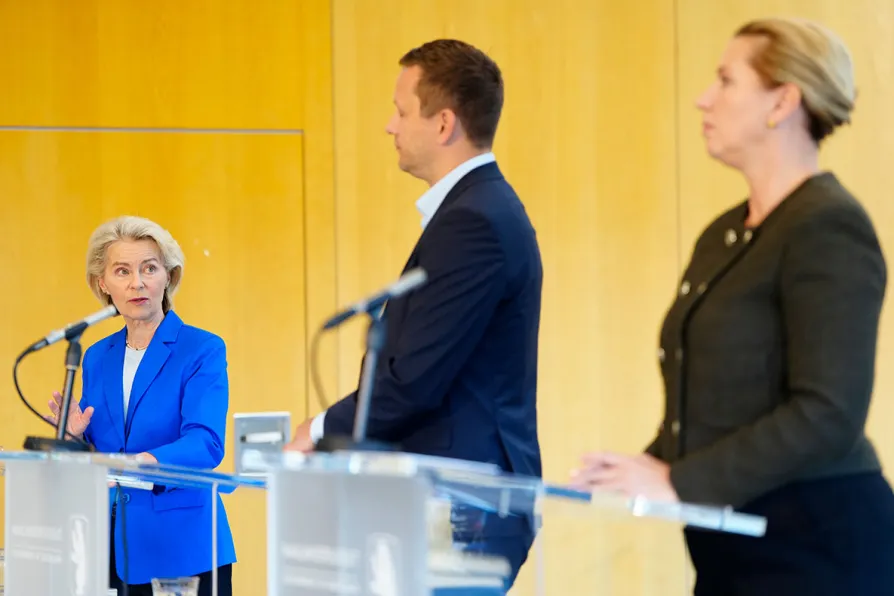
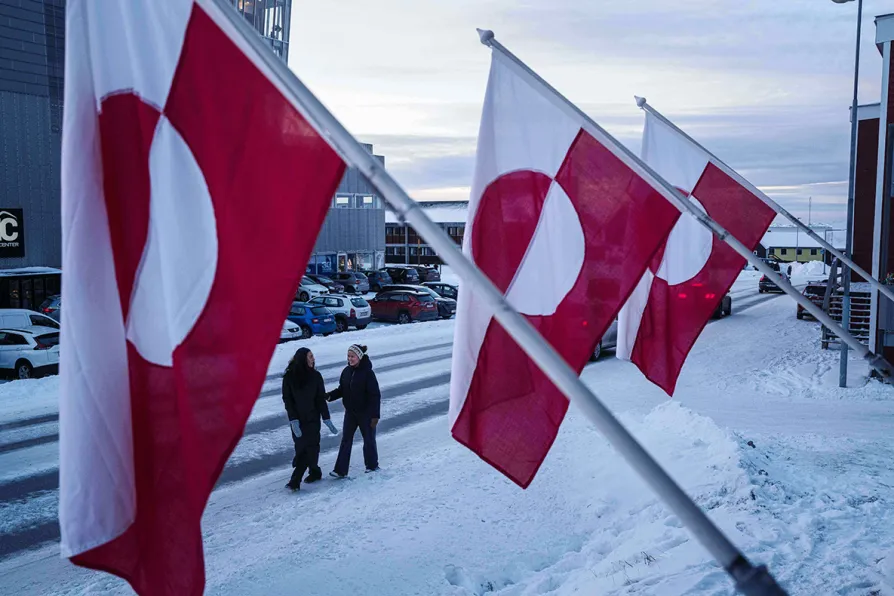
Despite opposition from Greenland’s people and Denmark, Washington intends to control the Arctic territory one way or another. Strategic dominance, mineral wealth and military power are the driving forces at play, writes ROGER McKENZIE