

 Latest editorial
TUC passes motion urging ‘all public-sector unions to join a united campaign’ and ‘to plan for co-ordinated industrial action’ if needed
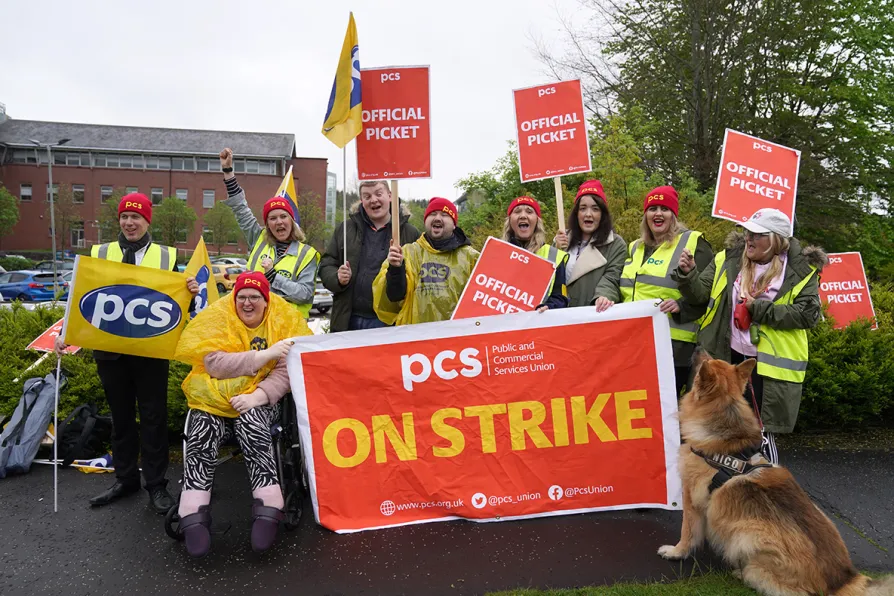 Members of the Public and Commercial Services union (PCS) on the picket line outside HMRC in East Kilbride during a strike in the long-running civil service dispute over pay, jobs and conditions, May 10, 2023

Unions to campaign for legally enforceable maximum workplace temperatures





UNIONS formally backed plans to strike together for better public-sector pay at TUC Congress today.
Delegates warned PM Andy Burnham’s new leadership “means nothing” while millions of NHS, local government and school workers and their communities continue to struggle with the cost-of-living crisis.
Britain’s largest civil servants’ union PCS, the National Education Union and local government unions have rejected proposals for 3.5 per cent public-sector pay rises.
The union federation passed a motion urging “all public-sector unions to join a united campaign on pay, and, if needed, to plan for co-ordinated industrial action to secure real gains for workers.”
It demands the Labour leader reopen talks on public-sector pay for 2026-27 and launch “sustained public investment, to jump-start economic growth.”
Moving the motion, PCS’s Bev Laidlaw said: “It’s an argument about economic common sense.”
She said studies have shown increasing public-sector pay, especially for lower-paid workers, “acts as an engine of growth and more than pays for itself by increased tax revenues, higher spending on local economies and reduced reliance on benefits.”
PCS has launched a campaign demanding a 10 per cent pay rise “as a first step of restoring public-sector pay,” she added.
Seconding, Unison’s James Robinson said: “Our members across the public sector continue to be battered by the cost-of-living crisis.
“Across far too much of the public sector our pay awards are doing nothing to help us out.”
He hit out at claims that public-sector “pay restraint is needed when the government spends billions on warfare.”
Unions also criticised Mr Burnham for failing to act faster to repeal the 50 per cent threshold for industrial action ballots and a ban on co-ordinated strikes by unions.
Mr Robinson said: “The ruthless piece of Tory anti-union legislation is not being met by an uncompromising response which we should have expected” from a Labour government with a large parliamentary majority.
“Without this we do not have collective bargaining, we have collective begging,” he added.
“The 50 per cent must go now, not tomorrow … our demand must be for them to do today.
“If necessary, co-ordinated industrial action will only happen if unions are freed from the anti-trade union laws that prevent co-ordinated action.”
TUC general secretary Paul Nowak said that the TUC general council fully supported the motion but believed decisions over strike action should “rest entirely with individual unions.”
University and College Union delegate Sean Vernell added that improving public services was crucial to give the one million 16- to 24-year-olds who are not in employment, education or training.
“They need a future, and we must be the ones who are prepared to give them a future,” said the further education teacher.
“It’s a choice. We say we want wages not weapons.”
Unison leader Andrea Egan warned Mr Burnham “now we need to see action” from the government to meet its 2024 manifesto commitment for public-sector insourcing.
Delegates backed her motion’s criticism of the public interest test for bringing government contracts in-house, announced in June, for excluding “wholly owned subsidiaries, despite an explicit manifesto commitment” and only resulting in guidance.
The “weakness of measures brought forward so far threatens to de-rail what should be a major means of providing both better services,” it added.
Ms Egan said: “Working people have had enough.
“These companies are not providing value for money for the taxpayer: the opposite is true.
“Now we need to see action: what we need as a first step is for this government and public-sector employers to sit down with all our unions and go through service by service, contract by contract, and bring those services back in-house.
“If they do that, I think over time accountability will be restored and so will our public belief in our services and democracy itself.”
PCS general secretary Fran Heathcote said: “We see this same story time and time again — profitable organisations being bailed out by the public sector.”
PCS and the Prison Officers’ Association joined the Unison and RMT Insource Now! campaign this week, delegates heard.
RMT general secretary Eddie Dempsey said that outsourcing “is a racket” that has delivered a “fragmented workforce, massive profit taking from our public services and a worse public service overall.
“We’ve got to organise right across those sectors together to defend our people and our public services. We are here today to say the era of outsourcing is over.”
UCU delegate Andrew Feeney warned the inferior terms and conditions from wholly owned subsidiaries are a “particularly pernicious problem” among former polytechnics.
FBU’s Maria Buck said that privatisation, outsourcing and contracting for more than three decades had contributed to the Grenfell fire.
Unite delegate Suzanne Abachor, an outsourced NHS hospital worker, said: “Outsourcing is an iron cage separating worker from worker.
“Difficulty must never become an excuse for injustice.”

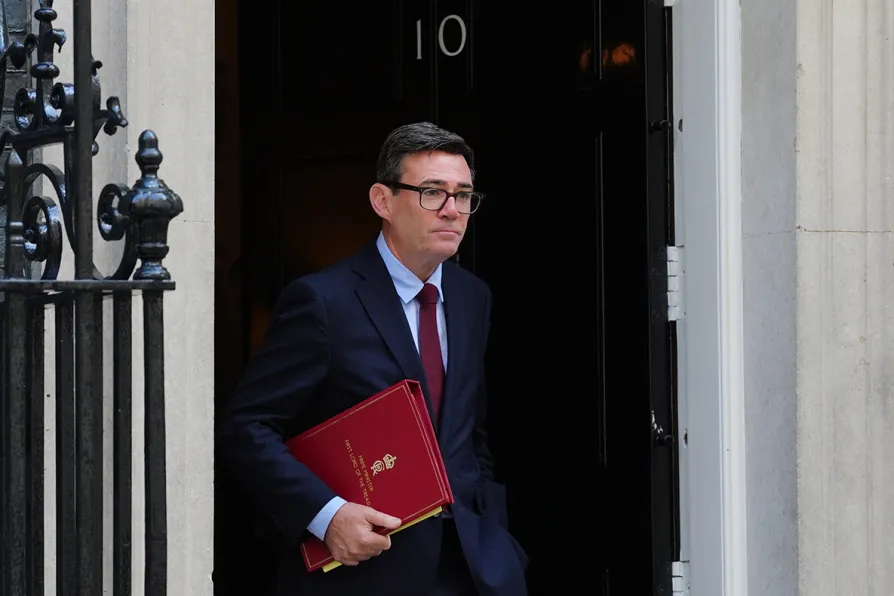
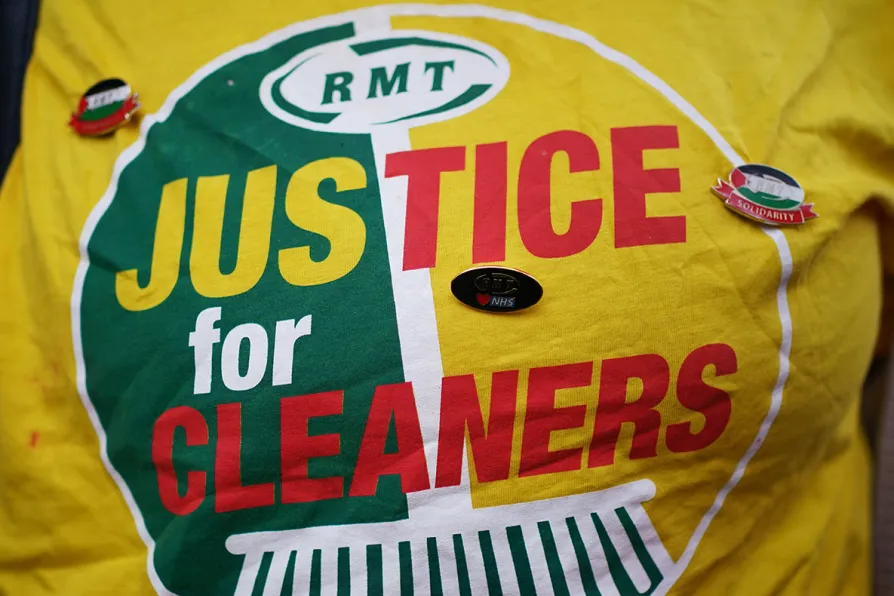
The Labour government must deliver on its commitment to bring back privatised services into the public sector. This not only saves money but also creates accountability and generates wider social benefits, argues ANDY MCDONALD MP
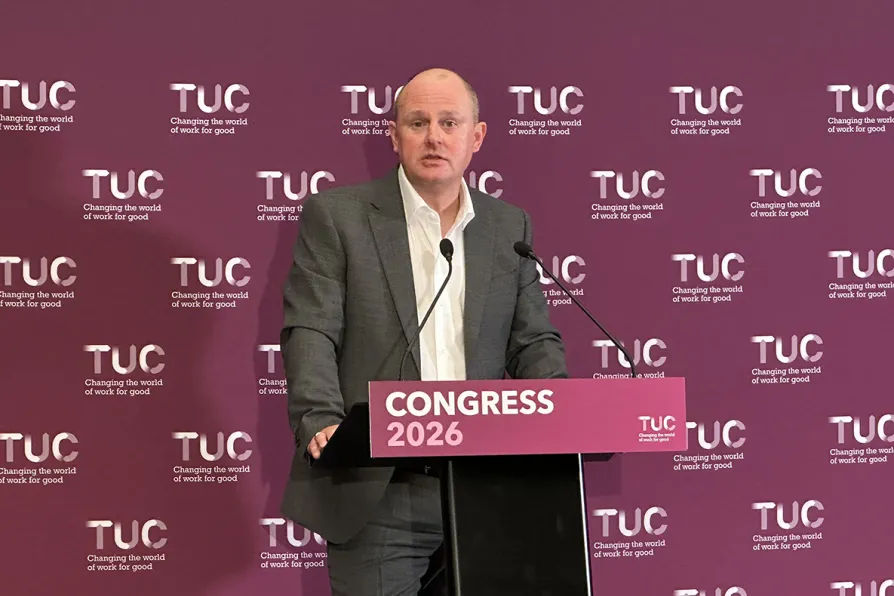
Despite promises of a new era of insourcing, billions of pounds of public contracts continue to flow to private firms. Unions are now calling for urgent action to bring services back in-house, says EDDIE DEMPSEY