

 Latest editorial
Unions to campaign for legally enforceable maximum workplace temperatures
 [Pic: Immo Wegmann]






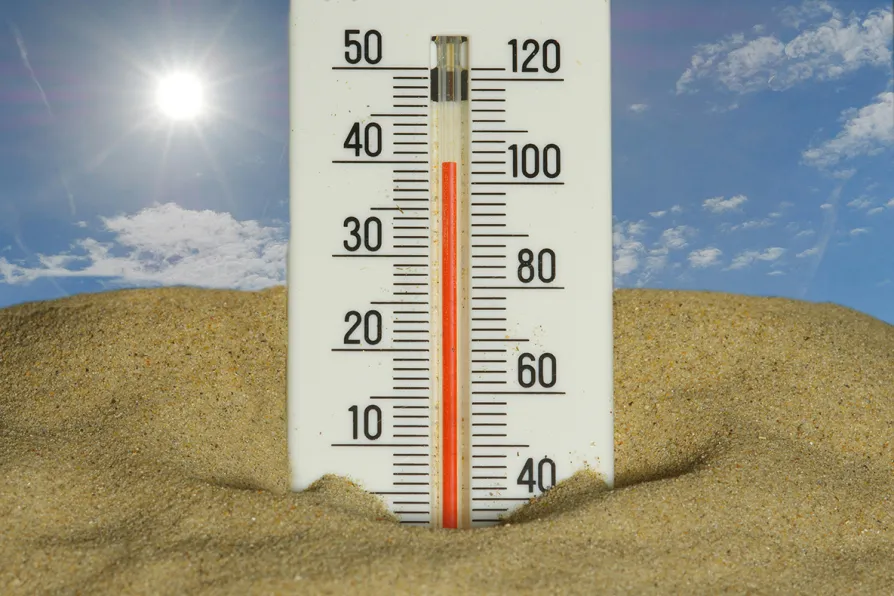
UNIONS vowed to campaign for legally enforceable maximum workplace temperatures today after a string of heatwaves caused a “climate heat emergency” across Britain.
The scorching weather, which saw Britain bake in five heatwaves, brought health and safety risks, disruption and chaos across the economy, including to schools and on railways.
Firefighters were also left stretched dealing with a record-breaking surge in wildfires, delegates heard during a “climate heat emergency” debate at TUC Congress in Brighton.
National Education Union (NEU) general secretary Daniel Kebede said: “The climate emergency is behind the classroom doors, in the lungs of the firefighter, and the exhausted worker.
“It’s an indictment of a system that has mistaken profit for progress and consumption for civilisation.
“We need public ownership, democratic planning, strong unions, private reparations, a Green New Deal and a transition not led by profiteers but by workers and communities.”
Dwight Williams, of the Fire Brigades Union’s (FBU) eastern region, called the huge number of wildfires that firefighters had to deal with a “national emergency.”
He said firefighters have faced exceptionally long working days, inadequate relief and unsuitable PPE, saying: “Regular fire kit is not suitable for wildfire operation.”
Mr Williams highlighted the 10 FBU demands to prepare Britain for future challenges, including a minimum of 5,000 more firefighters to reverse 15 years of cuts.
He welcomed the government’s agreement to convene a National Wildfire Summit, chaired by PM Andy Burnham and involving the FBU, but stressed that it must lead to action.
Aslef president Andrew Hudd also highlighted how train drivers carrying “a huge responsibility for the safety of thousands of passengers” have suffered dangerous heat stress.
He said: “Driving cabs should have the same legal status as an indoor workplace.
“After all, for our members, the cab is the only place they work for extended periods of time.
“As temperatures rise, protection for workers must rise with them. We cannot continue to allow workplaces to operate without maximum temperature legislation.”
Congress agreed to campaign for a legally enforceable maximum working indoor temperature to 26°C, protection for workers most at risk and investment in public building infrastructure including schools and hospitals.
Delegates also supported the FBU’s call for a National Wildfire Summit, an increase in the number of firefighters and better equipment to tackle wildfires.

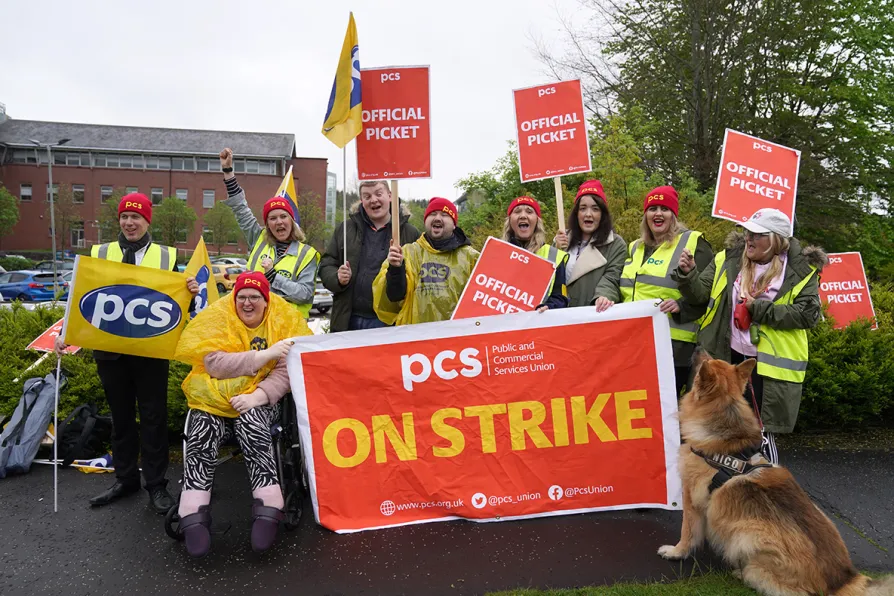
TUC passes motion urging ‘all public-sector unions to join a united campaign’ and ‘to plan for co-ordinated industrial action’ if needed
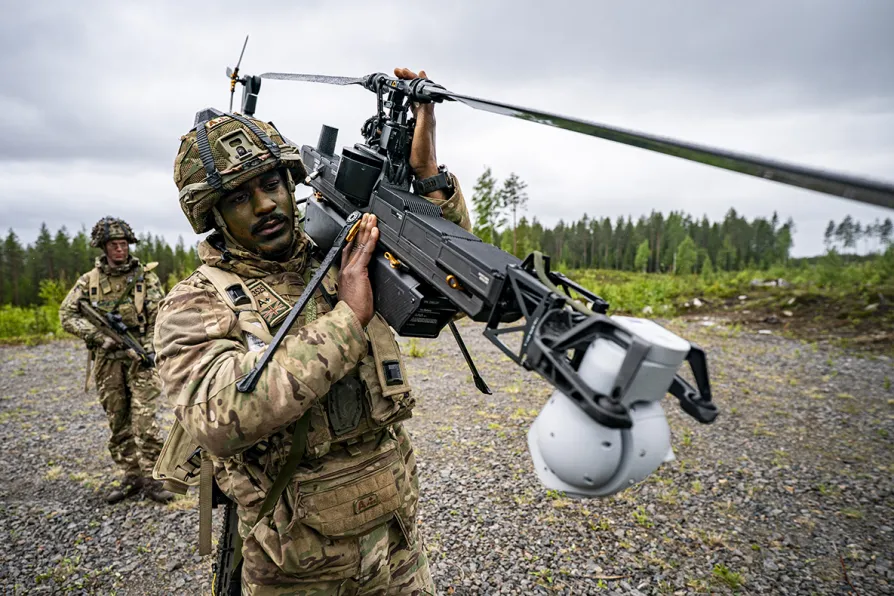
Austerity and the cost-of-living crisis affecting millions of working people cannot be separated from public-sector cuts to fuel the military, argue BOB ORAM and MAGGIE SIMPSON

This summer’s fire outbreaks highlighted once again the deadly cost of job, equipment and funding cuts to the fire service. Ten years after the Grenfell tragedy, serious lessons still need to be learned, says STEVE WRIGHT
![Union members and climate activists set up a ‘cool station’ outside Highbury and Islington station to hand out heatwave safety advice to workers [Pic: Immo Klink]](https://msd11.gn.apc.org/sites/default/files/styles/desktop/public/2026-08/07_Heatstrike-Islington-3924-Immo-Klink.jpg.webp?itok=-IIt7ME_)
More than 1,500 London bus drivers set for heatwave strikes this Friday