Latest editorial
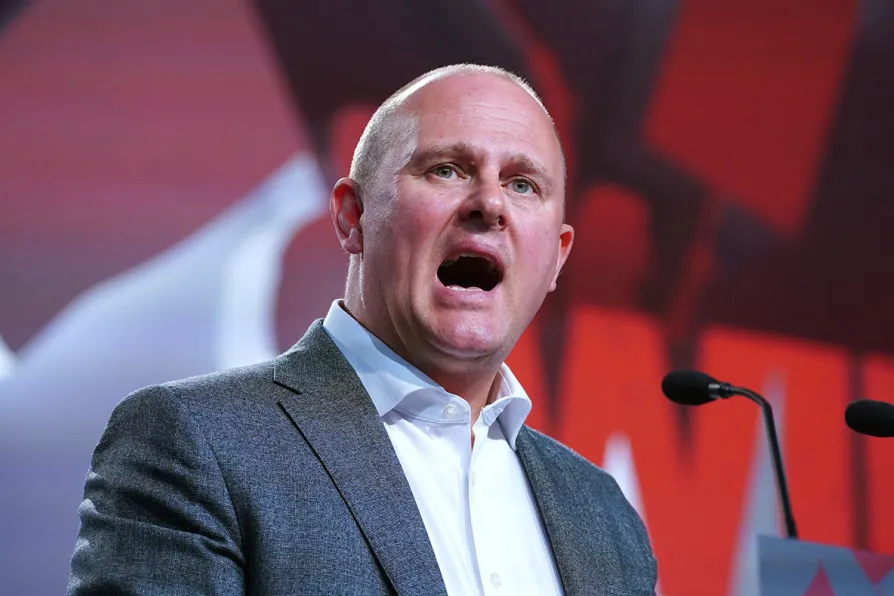
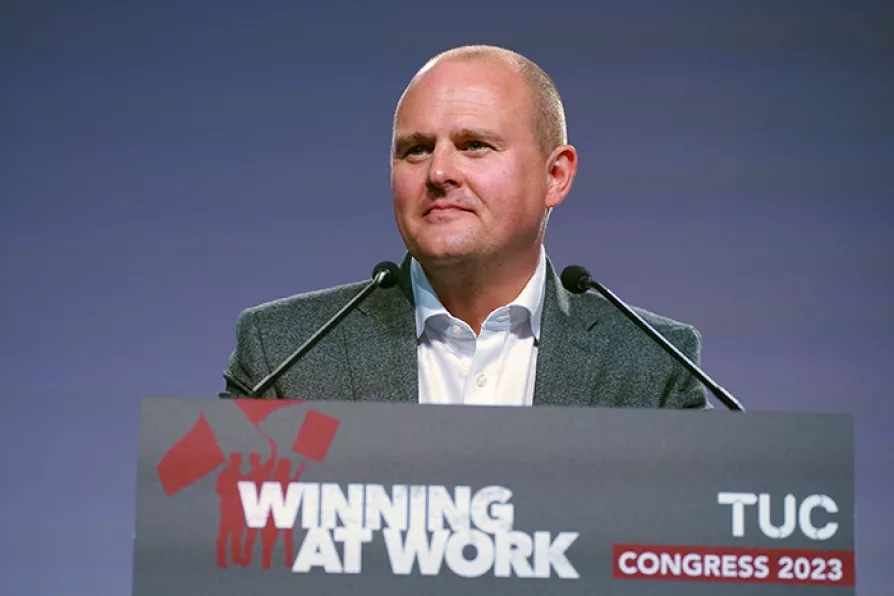
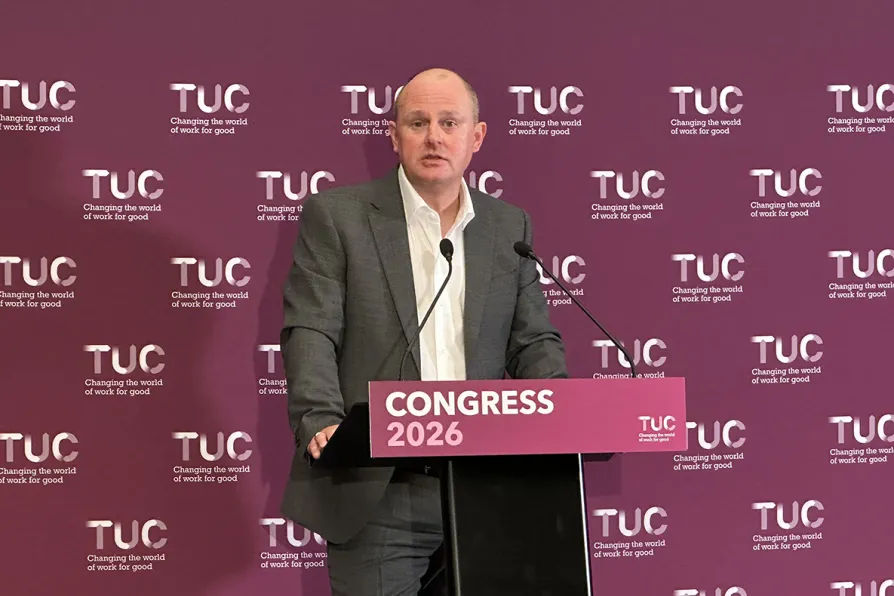 TUC general secretary Paul Nowak speaks at the TUC Congress 2026 in Brighton, September 13, 2026





UNIONS will agree on the best economic roadmap for Britain at TUC Congress on Monday, piling pressure on Prime Minister Andy Burnham to introduce wealth taxes and reject “baseless myths” over an upcoming zero-hour contracts ban.
Speaking to the Morning Star, TUC general secretary Paul Nowak said major economy debates set out a “very clear roadmap about what an alternative economic strategy could look like” ahead of next month’s Budget.
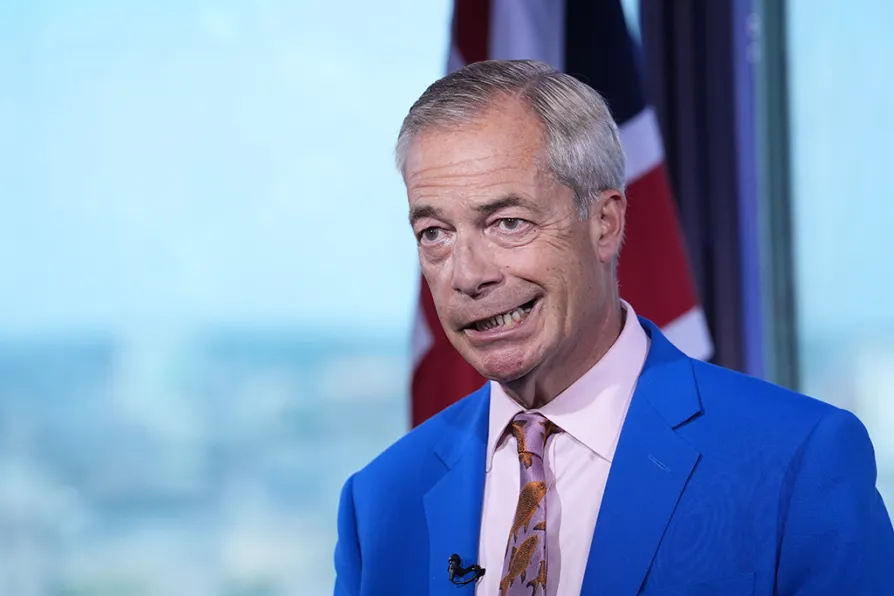
The Everton FC-loving union leader also predicted donation scandals will see the public give Reform UK leader Nigel Farage a “red card” before the next general election as the so-called Burnham bounce spreads a “mood of optimism” across Britain.
Speaking ahead of the conference in Brighton, he said that this afternoon’s big economy debates will centre on “a new economic direction for the UK and the UK’s political economic and strategy.”
“We’ll be talking from everything from our relationship with the EU through to more effective taxes on wealth, industrial strategy,” he said.
“I do think when you’ve got a Prime Minister talking about circuit-breaker and there’s talk about 40 years of the failed neoliberal experiment, I think what those motions do is set out a very clear roadmap about what an alternative economic strategy could look like.
“So we’ll have to have the debate but I think that’s really important.”
Unions will also challenge the PM on keeping Labour’s 2024 manifesto promise for the biggest wave of public sector insourcing in a generation.
“I think absolutely now the PM needs to step up and deliver it because people are absolutely sick to the back teeth of seeing billions of pounds being leaked out of our public services to reward private companies for delivering failing services,” Mr Nowak said.
Mr Nowak said that unions want there to be an “assumption” that government services are brought inhouse when contracts expire, as opposed to the public interest test for doing so introduced by Labour this summer.
Unions will also oppose any bailout of heavily indebted Britain’s biggest utility provider, Thames Water, and urge Mr Burnham to effectively put the company into public ownership under a special administrative regime (SAR).
“The government have looked at this and part of the problem about putting Thames Water into SAR is that it’s not technically insolvent, it’s not gone bust,” said Mr Nowak.
“They are going to find the right mechanism but what is clear is that Thames Water want to restructure on the back of increases in bills for the people how use their services and more taxpayer supporter and the average punter is going to wonder why the hell are we bailing out the company that has systematically failed to deliver a fundamental public service?”
Mr Burnham’s new government will also face one of its first “acid tests” after its consultation on how the upcoming ban on exploitative zero hours contracts works in practice ended last week.
In a pre-Congress press conference, Mr Nowak slammed business lobbyists’ “baseless myths” that the ban would work against employees who benefit from flexible hours.
According to new analysis released by the union federation today, seven in 10 hospitality workers are not on zero-hours or variable-hours contracts.
The figure rises to nine in 10 for wholesale, education, and health and social work industry workers. Separate TUC analysis shows how the majority of zero-hours workers are trapped on insecure contracts for over a year.
Mr Nowak told the Morning Star: “I think it’s going to be one of the first acid tests for the Andy Burnham government: is he prepared to make sure that we’ve got a ban on exploitative zero-hours contracts that actually delivers meaningful change for millions of workers?
“If he is going to do, he’s going to have face down some more of those vested interests – the employers who have become hooked on one-sided flexibility.”
The TUC’s opening press conference heard from a retail worker and Usdaw member, Angela, who regularly works over 20 hours a week but whose contract guarantees her only seven and a half.
She said: “I know all too well the agony of anticipating the email from my boss about shifts, only to open it and realise I’ve not got enough hours to pay my bills that week.
“I’ve wasted so much money over the years on childcare because I’ve got to work and found my employer has cancelled my shift at the last moment.”
Mr Nowak warned: “If we don’t get that ban on exploitative zero-hours contract right we are going to end up letting down workers like that and we are going to end up with effectively exploitative short hours contracts instead.
“And that’s the big test I think for the government: face down the dodgy employers who are reliant on these sort of contracts and give millions of working people some job security and some income security.”
Asked over how the union movement has responded to Mr Burnham taking over from Sir Keir Starmer in July, Mr Nowak said that he felt a “mood of optimism” had spread across the movement and nationwide.
“Clearly the public are giving him an opportunity in a way that they clearly weren’t giving Keir Starmer,” he said.
“It’s important that the PM did set out early doors some breathing space policies… we think they need to go further and faster to support people through the cost of living.
“The most significant thing for me just this week is that historical decision to recognise the illegal occupation in Palestine, to clamp down on settlement goods, to pull out of the ethnic cleansing of the Palestinian people.
“We would always want a Labour government to go further but I think that was actually quite a bold and decisive piece of leadership.”
Asked if he was surprised at Foreign Secretary Ed Miliband’s historic rejection of US-Israeli political pressure, Mr Nowak added: “To be explicit about ethnic cleansing and to recognise the illegal occupation — I think it was all absolutely the right thing to do and it’s something that many people would have wanted a Labour government to do over the last couple of years.
“We want the government to keep it under review, be prepared to take even more action but I think the fact that he also managed to galvanise other countries in that effort was also important.”
Asked what the football score between Labour and its likely contender at the next general election, the Liverpudlian union leader said: “As an Evertonian, I am always wary about predicting scores because of the triumph of hope over expectation — well lived experience I should say.
“With Andy Burnham as our lead striker we’ve got a real chance of making sure that Reform are given a complete drubbing — Reform and and all the right wing of the Tory party at the election — but I think the outcome of the match is very much in the Labour and trade union movements’ hands.”
Continuing the football analogy, he said that introducing a social energy tariffs unions and fuel poverty campaigners have been calling for at next month’s Budget would be “a strong first half if you like,” adding: “I would put money on the British public giving Nigel Farage a red card.”
He cited the “dodgy” multimillion-pound donations to Reform from crypto-billionaires, the police investigation into overseas funding, and protesters removed by their hair and being assaulted from its conference as reasons people have had enough.
Branding black masked anti-migrant mobs attacking RNLI volunteers in the south coast last week “proto fascists,” he said: “There’s no doubt that those 300 balaclava wearing thugs in Dover and in Portsmouth are emboldened when the likes of Nigel Farage talks about ‘pure, cold rage’ in response to the horrible killing of Henry Nowak, exploiting the death that his family explicitly asked politicians not to exploit.
“I think the more the public and our members see of Nigel Farage the less they like him and as I say won’t be surprised he got a red card well before the next general election.”

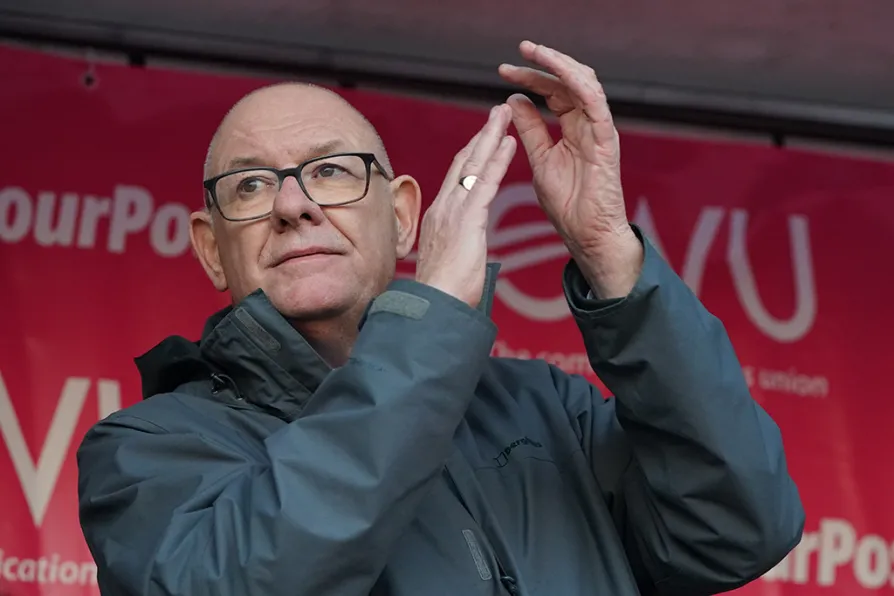
DAVE WARD of the Communication Workers Union says unions must step up to meet the challenges of a transformed world of work
TUC general secretary PAUL NOWAK tells Ben Chacko that Labour can win back disillusioned voters by delivering workplace reforms, rebuilding trust and challenging the far right’s growing influence