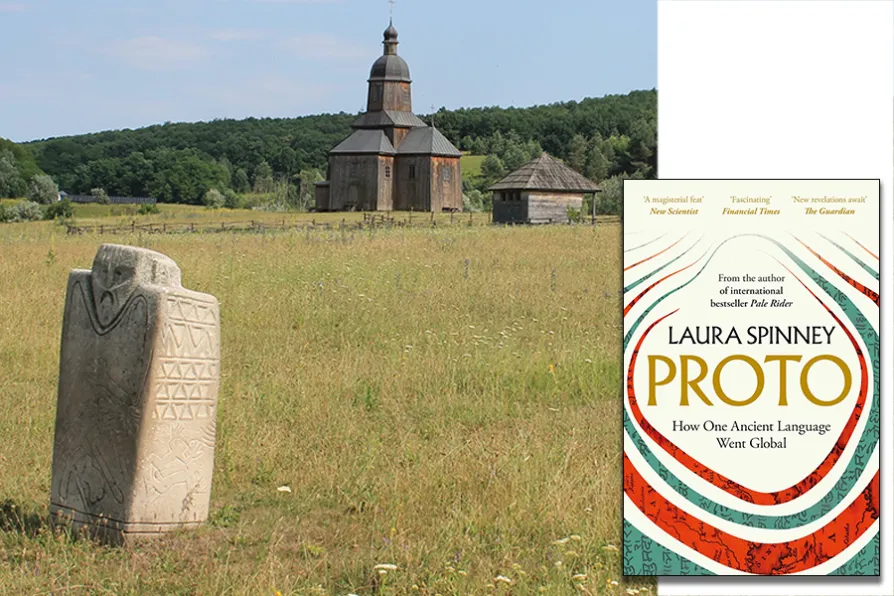
KEN COCKBURN traces the one original language – that of the Yamnaya pastoral nomads – from which all European and Indian languages derive


 Latest editorial
The ambiguous General Montgomery
PAUL DONOVAN is fascinated by the debunking of the iconic British war hero
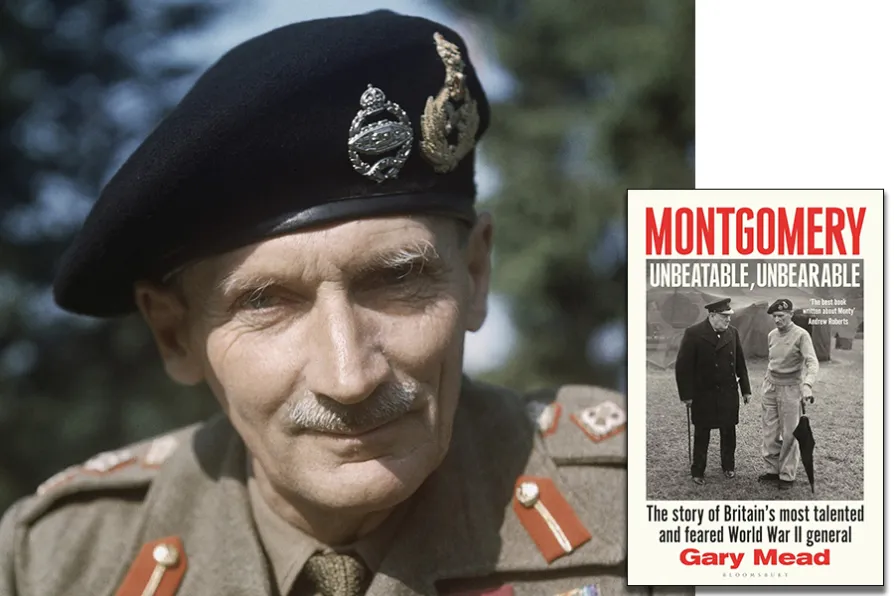 General Sir Bernard Montgomery in England, 1943 [Pic: Imperial War Museum/CC]
ALEX HALL recommends a searing panorama of our global predicament
Comics are not just superheroes and spandex – it can be public art, telling public stories, suggests HARRIET EARLE
ALEXEI SAYLE speaks to Angus Reid about a lifetime of protest, how to hone political art – and what to do now
The bard serenades the Diggers of Wigan and their festive followers





Montgomery — unbeatable, unbearable
Gary Mead, Bloomsbury, £25
Montgomery — unbeatable unbearable kicked off a recent debate at the Imperial War Museum. The first part of the session involved Field Marshall Bernard Montgomery’s grandson Henry talking about his visit to Normandy and the valuable work being done there to commemorate those who died in the war. The second half was Gary Mead’s take on Henry’s grandfather. Something less than flattering would be putting it mildly.
Mead referred to Montgomery as arrogant, dishonest, lacking empathy and not the great soldier that he often perceived himself to be, one of his main features being narcissistic self promotion. Something, in which, he was only rivalled by his one-time champion, Winston Churchill.
Montgomery saw early the power of media. There was also Montgomery’s reported predilection for young boys.
This must have been a tough listen for Henry, who responded with great dignity, referring to a loving, caring grandfather, not the ogre depicted, and a robust debate ensued between Montgomery fans and those less enthusiastic.
Mead’s book, though, goes into greater detail. An excellent read, it chronicles Montgomery’s life, from his early years, growing up in Tasmania where his father was the bishop. He adored his father, but eventually loathed his disciplinarian mother.
Montgomery became a rebel, with a dislike of authority. He moved into the military world, going from school to Sandhurst. He almost got thrown out but for his mother’s intervention.
Rising through the ranks, he recognised a tendency amongst senior officers to want to fight the next major war in the same way as the last. He states that: “The morale of the soldier is the most important single factor in war.”
Mead highlights how Montgomery saw the value of media to create an image to inspire the troops. Captain Warwick Charlton helped with this media promotion. Montgomery always had time for journalists and adoring portrait painters. Notably, future TV journalist Alan Whicker, who worked during the war for the Army Film and Photographic Unit, recalled how “as soon as he saw me he’d start pointing at nothing in particular, but in a most commanding manner. It was his way and it seemed to work; half a century ago he had television-style fame before television.”
Mead really takes aim at Montgomery’s war record. The key victory at Alemain had already been planned by his deposed predecessor General Claude Auchinleck, yet it was the Alemain victory that catapulted Montgomery to stardom. Then, his cautious approach saw German commander Erwin Rommel escape with much of his army to fight again another day.
His role in D-Day and subsequently is also questioned. Montgomery became a constant thorn in the side of Supreme Allied Commander Dwight Eisenhower and other fellow senior military chiefs. Eisenhower is quoted as saying: “Monty is a good man to serve under; a difficult man to serve with; and an impossible man to serve over.” After the war he described the British hero as “a psychopath.”
Montgomery became a national hero after Alemain, his ego feared by politicians. One quoted conversation has Churchill saying to the King George VI: “Monty would like my job,” to which the King replied, “That’s a relief, I thought he wanted mine.”
But, post war, his popularity waned alongside his increasing eccentricities. His last major role was as deputy supreme allied commander Europe for Nato. On appointment, Churchill commented: “In defeat indomitable, in victory insufferable, in Nato, thank God, invisible.”
He comes out as a racist, supporting apartheid South Africa. Then came the association with a number of young boys.
Gary Mead’s book is a fascinating read about one of the iconic figures of the past century. This was a man who looked after his men, was PR aware, but not the great military strategist that he obviously thought he was. The great war hero seemed to die a lonely figure, still chasing his former fame and glory.
This is an excellent read for military historians, though maybe not so much for members of the Montgomery family.

Similar stories

MARIA DUARTE recommends a nerve-wracking reconstruction of the 72 hours before the Normandy landings
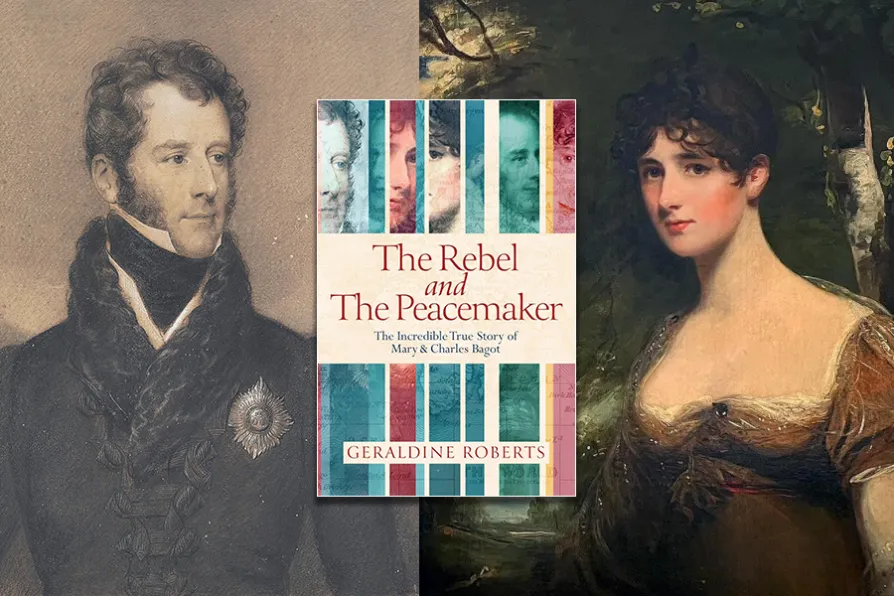
PAUL DONOVAN is fascinated by the lives of Charles and Mary Bagot, and the insight this biography shines on the morals of pre-Victorian society
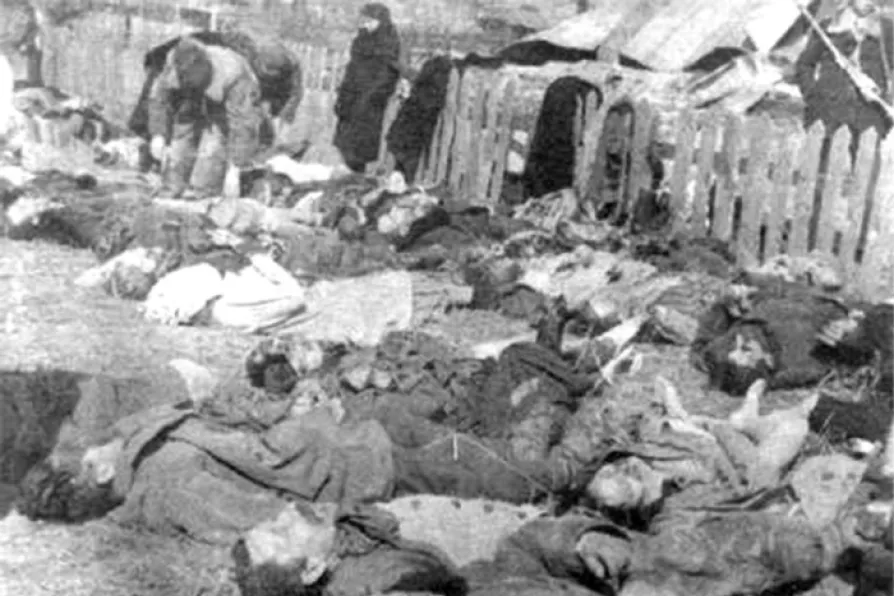
Poland’s anger over Ukraine’s celebration of the Nazi collaborationist UPA reflects more than historical grievance, says KENNY COYLE
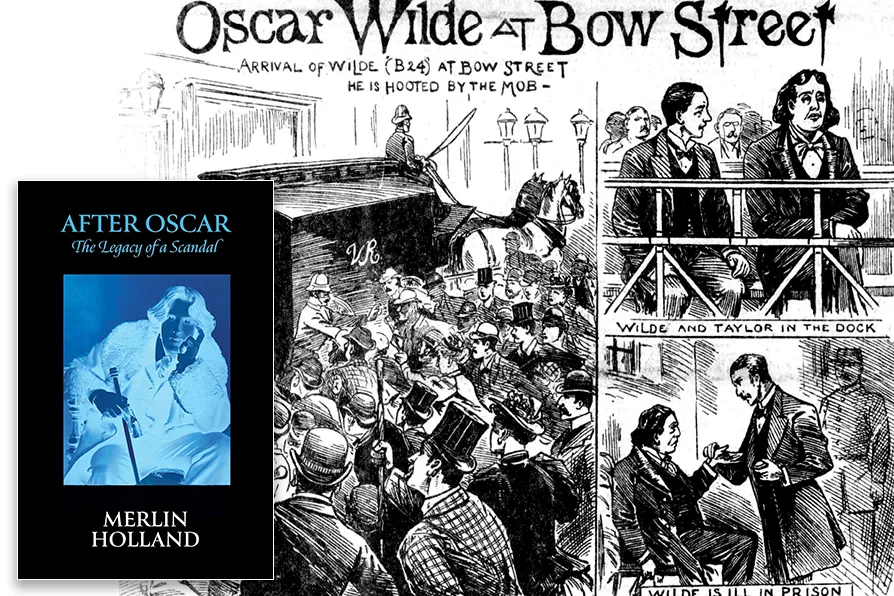
MARJORIE MAYO welcomes an account of family life after Oscar Wilde, a cathartic exercise, written by his grandson