TUC president and POA leader STEVE GILLAN speaks to Ben Chacko on the eve of Congress 2026


 Latest editorial
Time to scrap the anti-union laws
Labour must deliver its manifesto promises in full and begin the bigger task of restoring workers’ collective power, says MATT WRACK
 NASUWT members on a primary school teachers picket line

As Cuba faces the most dangerous moment in its recent history, Britain must do more than condemn the US blockade at the United Nations, writes KEVIN COURTNEY, chair of the Cuba Solidarity Campaign
The Together Alliance is hosting two summits, North and South, to build power and plan action against the scourge of racism peddled by the right. DANIEL KEBEDE urges mass participation
Morning Star assistant business manager BERNADETTE KEAVENEY and international editor ROGER McKENZIE remember attending the 2001 TUC, suspended midweek after news of the World Trade Centre attacks
Whether it’s dented bike frames or broken ferries, MATT KERR wishes politicians had the same steely staying power of elite engineering instead of chasing disposable self-importance
The events of 9/11 reverberated across the United States and then the world. JOHN WIGHT remembers the eerie atmosphere that exposed racial divisions at the heart of Hollywood





AS OUR movement gathers for TUC Congress we do so following years of workers being robbed of their employment rights by successive governments.
When Labour came to power it promised to deliver its New Deal for Working People, and the repeal of the despised Tory anti-trade union laws, including 2016’s Trade Union Act, which included the requirement for a 50 per cent turnout threshold for industrial action ballots.
We now have the government’s new Employment Rights Act and, while it is welcome, it has not yet been fully implemented and it doesn’t go anywhere near far enough to reset the balance of power in workplaces across the UK.
For decades workers have endured increasing insecurity and exploitation because governments allowed and encouraged employers to fragment secure jobs and silence those speaking up for trade union and workers’ rights.
They allowed punitive management cultures to flourish in schools and public services and they made hire and fire a routine part of employment. This happened because employers were encouraged and enabled to do it by the legal framework in UK employment.
Teachers know this well. Across the UK, they face spiralling workloads, unsafe conditions and management regimes that punish those who speak out. Early career teachers are pushed into insecure roles. Pregnant women face discrimination. Disabled and neurodivergent staff are denied basic adjustments.
And when teachers organise collectively, they are often met with hostility by management, backed up by fat-cat academy chain bosses who are only interested in new ways to siphon money out of education.
So if the Employment Rights Act is to mean anything, it must be implemented fully and without further delay through clear regulations and enforcement coupled with meaningful engagement with trade unions.
We know that even the strongest regulations are meaningless if workers cannot act collectively.
That is why Congress is absolutely right to demand the immediate removal of the 50 per cent turnout threshold for industrial action ballots. This threshold is an anti-union weapon designed to weaken workers’ ability to defend themselves.
No politician in Westminster is elected on a 50 per cent turnout threshold. A number of Cabinet members would not be in place if such a requirement was in place for parliamentary elections. So why are workers still told they must meet a higher democratic standard than the people who make the laws they live under?
The government’s attempt to link the removal of the threshold to the introduction of electronic balloting is a political manoeuvre — a delaying tactic dressed up as modernisation.
Workers should not have to wait for pilots, reviews or ministerial sign-offs to reclaim rights that should never have been taken away. Congress is right to oppose any linkage. The threshold must go.
And let’s be clear: even that is not enough. The Employment Rights Act must be the beginning, not the end, of reform.
Congress will be right to demand a second Employment Rights Bill — one that finally repeals in full the anti-union laws that still shackle our movement. We need legislation that delivers genuine sectoral collective bargaining and strengthens rights for all workers.
As we gather to continue to fight for our members and celebrate our campaigns against injustice we never forget our long tradition of working-class resistance that built our great movement.
That tradition is alive today — in every school where teachers refuse unsafe conditions, in every workplace where reps challenge injustice, and in every community where workers stand together against exploitation.
Strengthening employment rights is a fight for working people, for their right to organise and speak out without fear.
We will be looking to see if the Labour government under Andy Burnham is serious about improving working rights for the people of the UK.
He will show that he is serious by making an explicit commitment to implement Labour’s manifesto pledges in full and without delay and then to work on improving our rights for the future.
Matt Wrack is general secretary of NASUWT — The Teachers’ Union.

Similar stories

DAVE WARD of the Communication Workers Union says unions must step up to meet the challenges of a transformed world of work

The Tories introduced the 50% strike ballot threshold to make industrial action harder. MATT WRACK argues that a Labour government has no justification for leaving it on the statute book
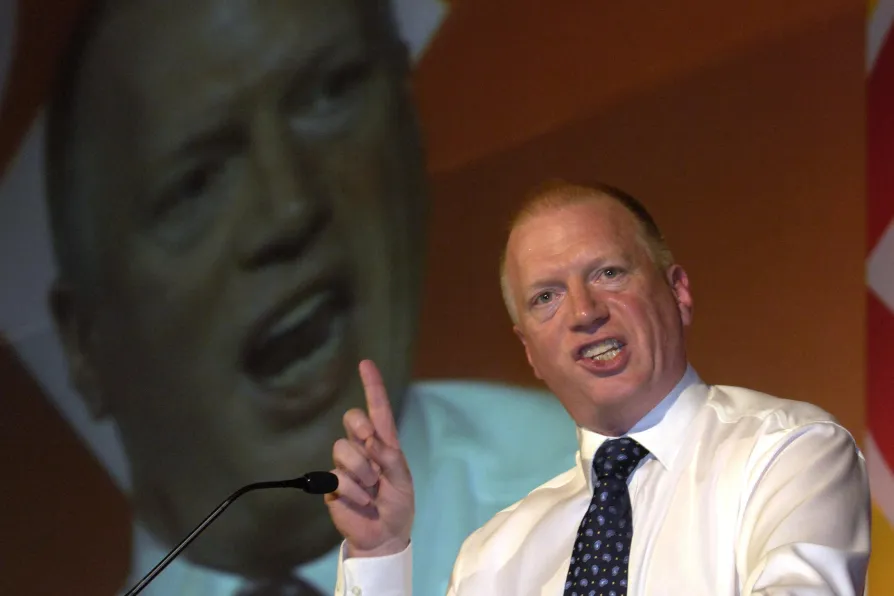
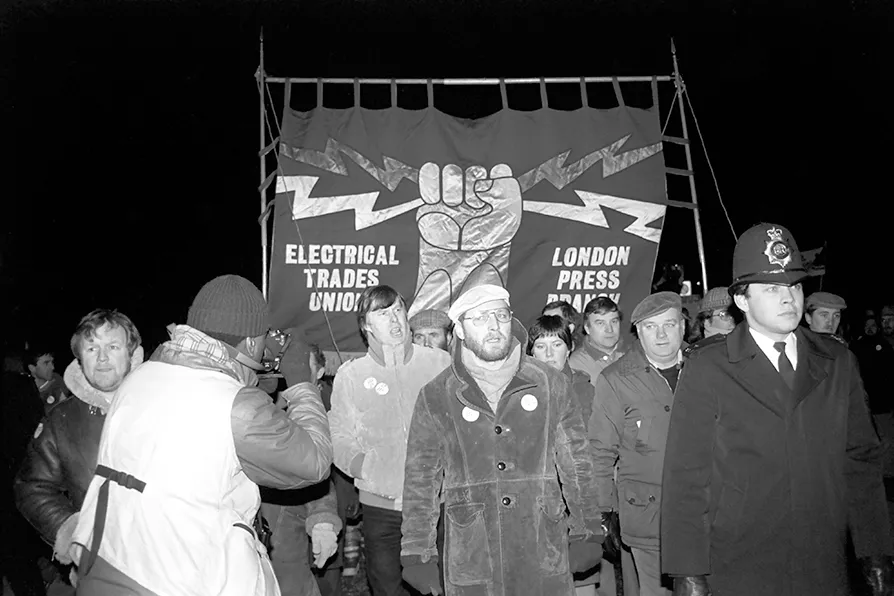
A past confrontation permanently shaped the methods the state will use to protect employers against any claims by their employees, writes MATT WRACK, but unions are readying to face the challenge