


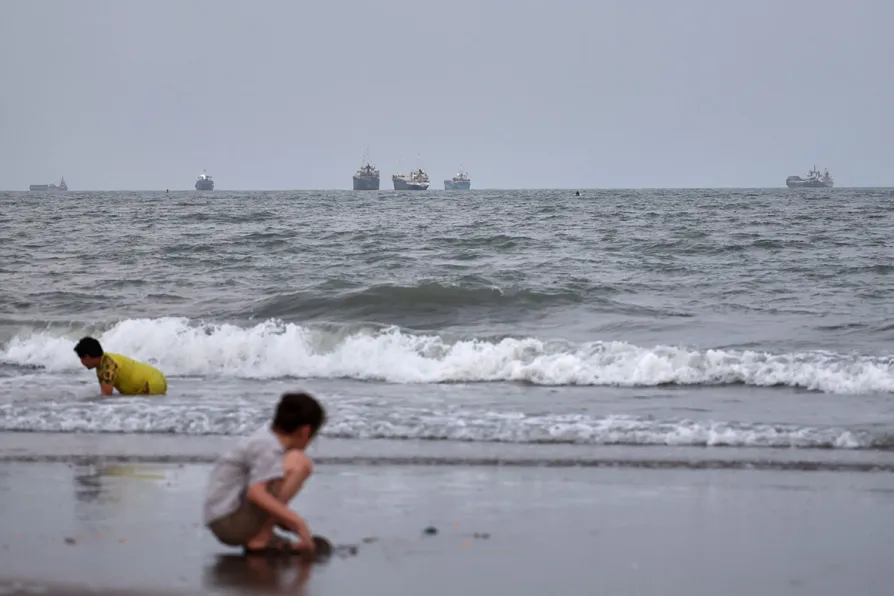
 Children play at a beach as commercial vessels are anchored in the Strait of Hormuz off Bandar Abbas, Iran, August 26, 2026
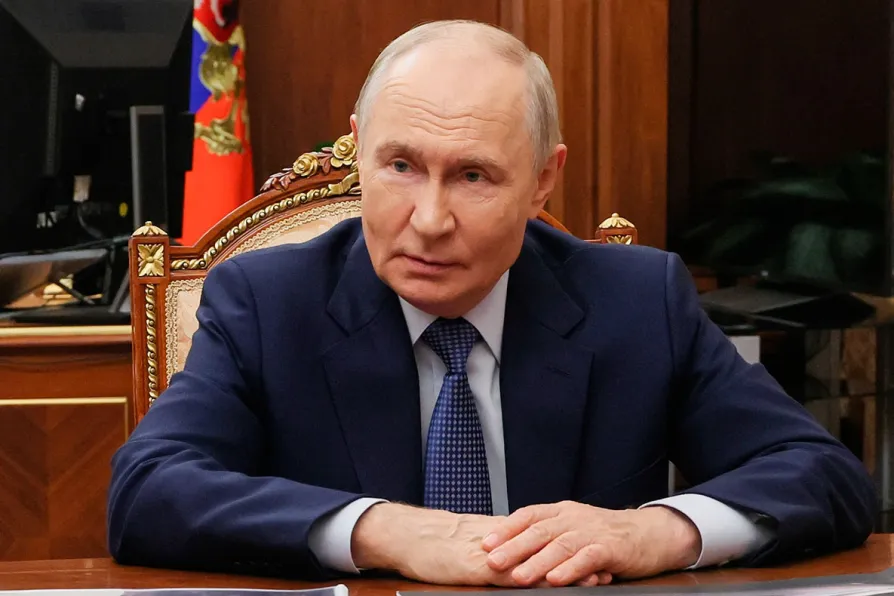





THE United States army and intelligence agencies have been having “quiet discussions” about reducing Washington’s military presence across West Asia, according to a CNN report on Tuesday.
Citing six sources, CNN said: “In offices across the military and in the intelligence community, there have been recent quiet discussions about cutting the number of people and facilities typically stationed in the region if the Trump administration succeeds in ending the Iran conflict.”
The CNN report describes the discussions as efforts to find “another post-9/11 strategy.”
“The recent fighting with Iran has laid bare deep vulnerabilities” within US military infrastructure across the region, the report said.
Many of these bases, including the Fifth Fleet Base in Bahrain, have been severely damaged by Tehran’s drones and missiles and at least 18 US service members were killed by Iranian attacks.
The sources told CNN that the officials involved in the discussions “are now acting at least in part to predict what might be acceptable” to US President Donald Trump.
The sources say President Trump has “articulated no clear strategy for a post-war future — and who, in the past, has staked his political identity on reducing US forces overseas.”
There are still around 50,000 troops deployed across the Middle East as part of a massive military build up linked heavily to the illegal and unprovoked US-Israeli war launched on Iran on February 28.
US forces are also “evaluating” how to “harden” defences for the military personnel who remain in the region once the war ends or in the event of a reduction of the military presence.
“That includes by moving some installations underground to better defend against missile and drone attacks like those launched by Iran in the months-long conflict,” the report said.
The vulnerabilities of US troops stationed across the region “were always known,” but the US “never acted on it with urgency,” another source said.
At the height of the war, Iranian drones and missiles targeted Washington’s bases so heavily that US media began reporting that troops were being relocated to civilian spaces elsewhere.
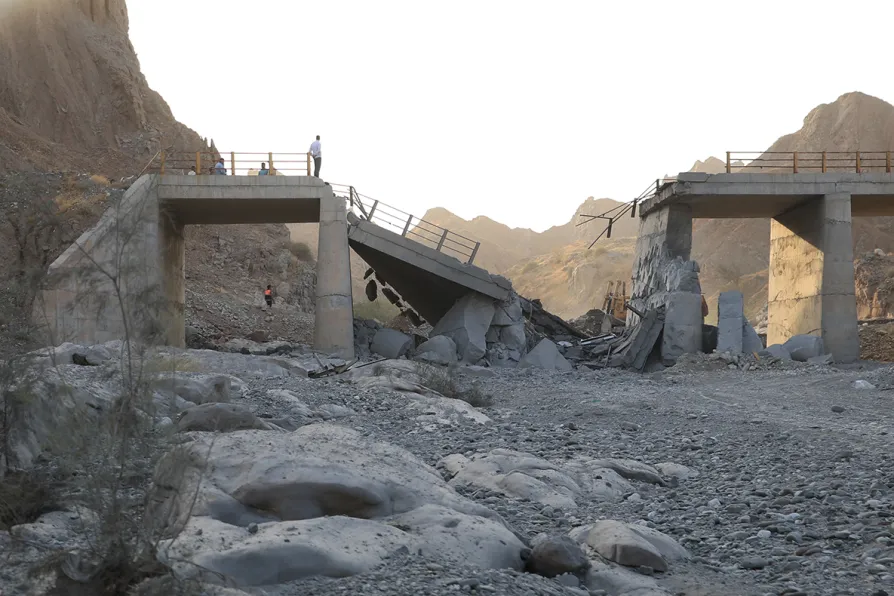
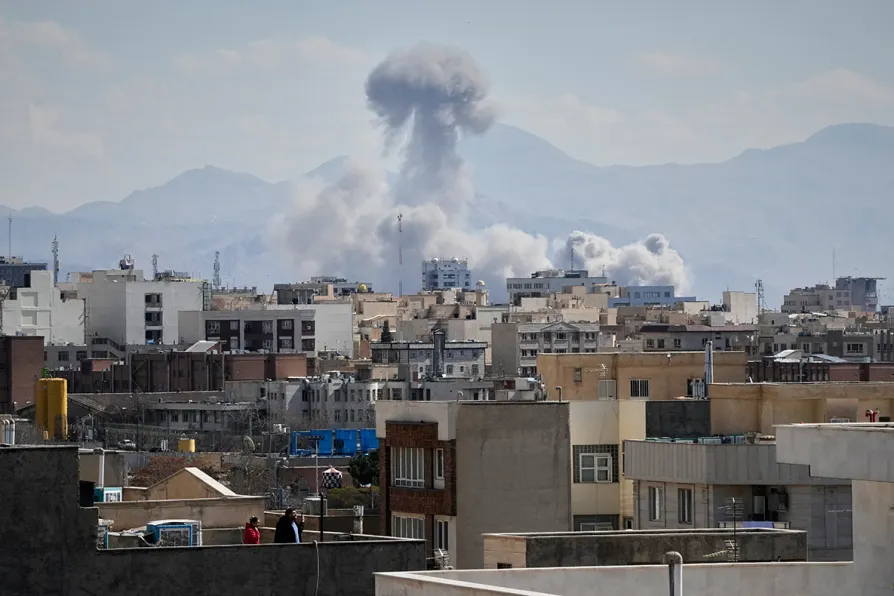
The report came hours after the US military said it destroyed five Iranian oil tankers on Tuesday in response to the latest attacks on its warships and Tehran hit back at US targets in Jordan.
Following the US strikes, Iran launched missiles toward US targets in Jordan, according to Iranian media.
The latest strikes are part of a dual economic and military approach by President Donald Trump as he struggles to bring an end to the war.

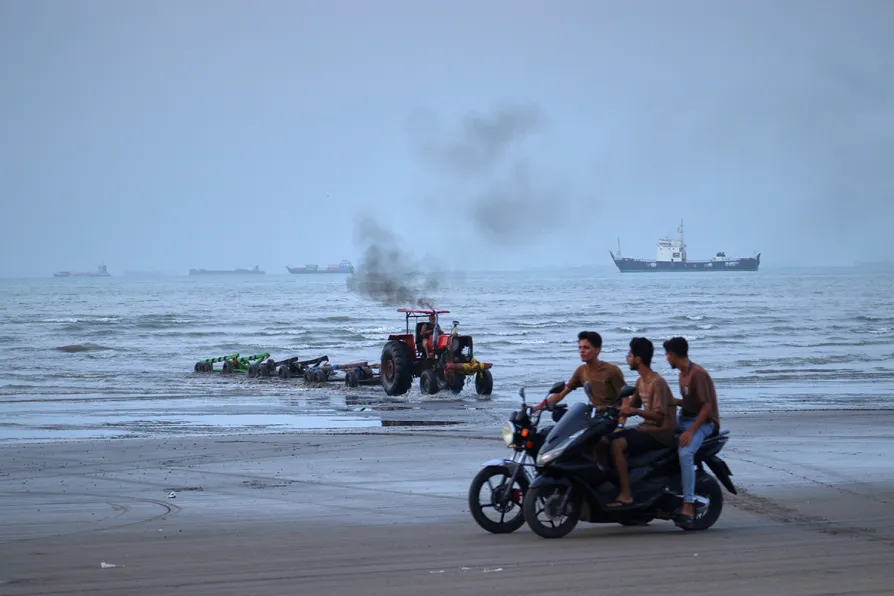
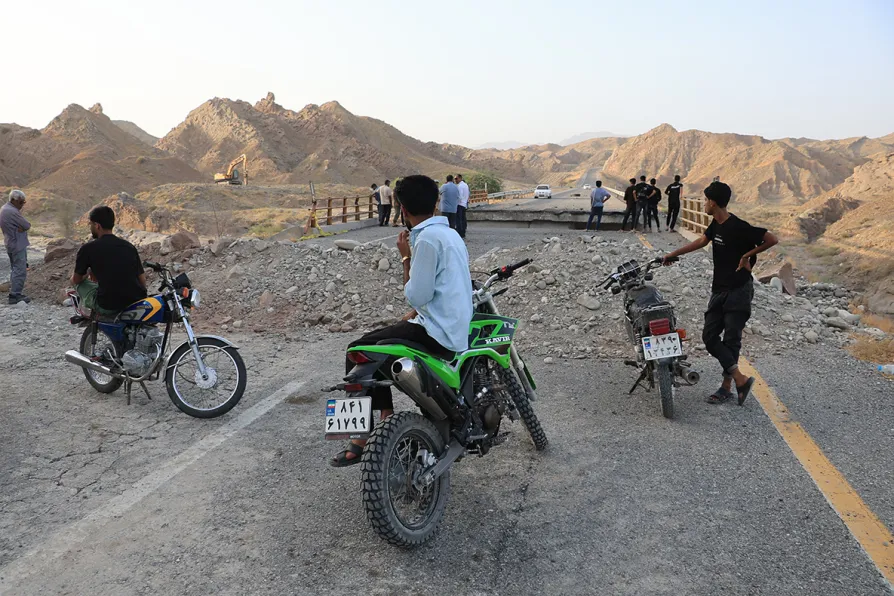
Tehran retaliates with attacks on Israel, the Gulf Arab states and crude oil flows